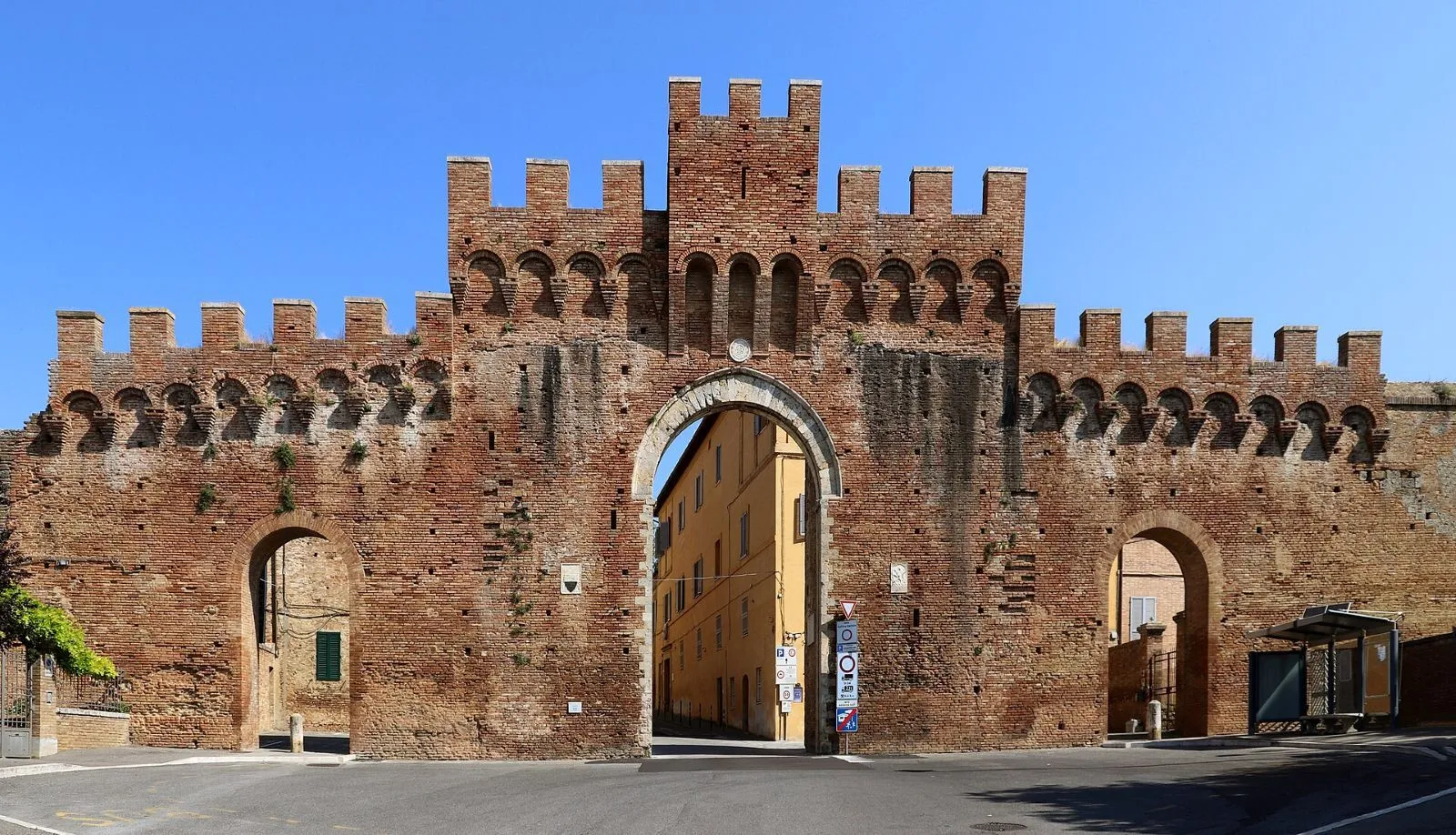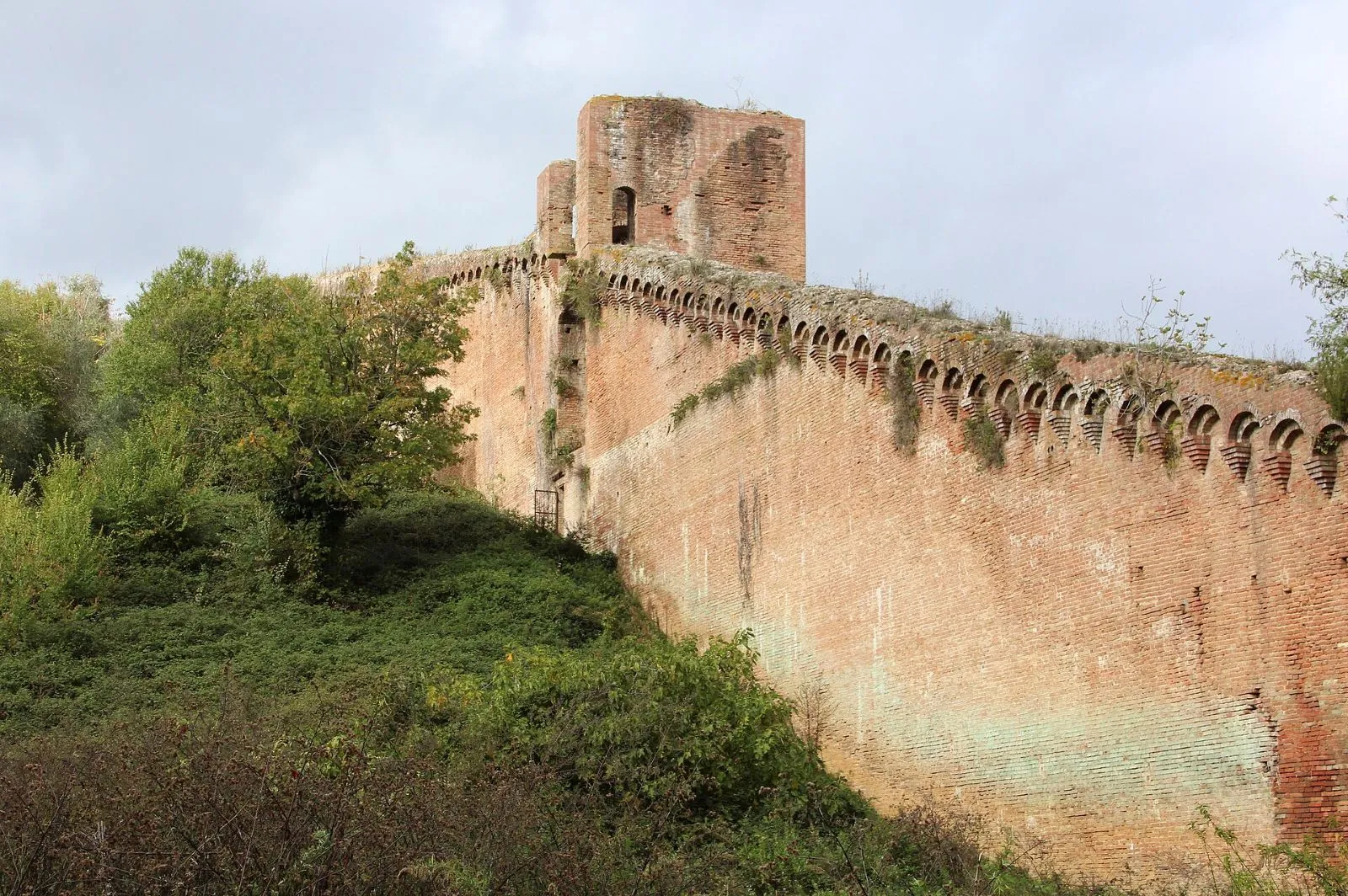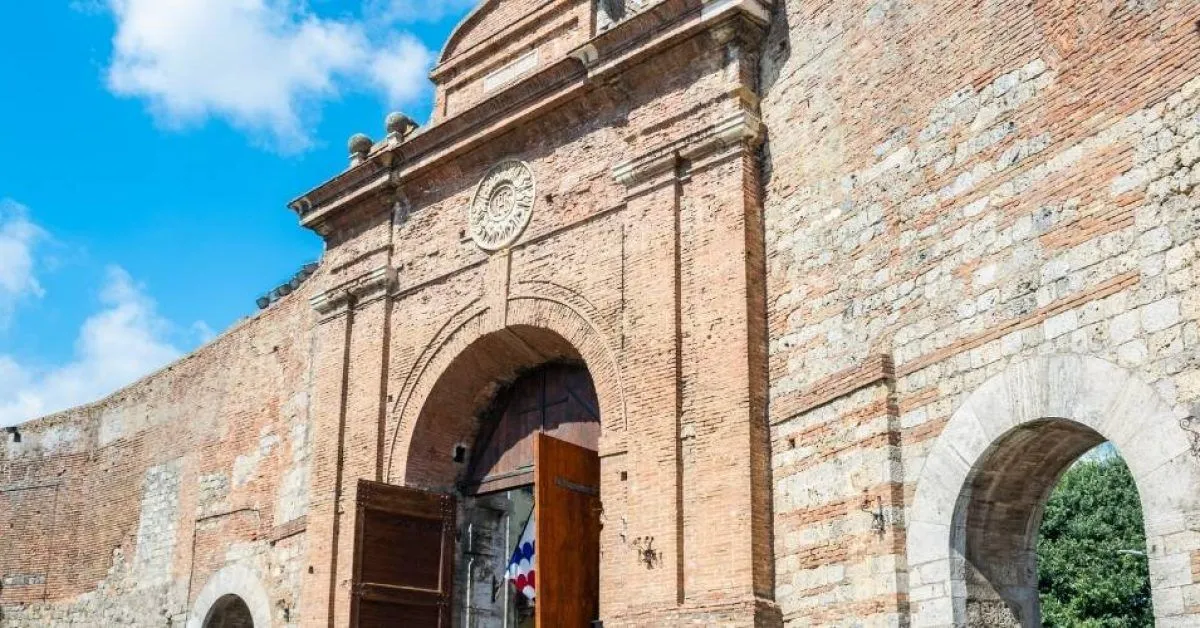
The Walls of Siena. 
The Border That Tells the Story of a City

A living organism, not just a 
simple perimeter

There are cities that are understood from the center. Siena is also understood from the margins: from the walls that surround it, from the gates that open it to the world, from the bastions that protect it, from the green valleys that embrace it from the outside. The walls of Siena are not a structure of the past preserved out of obligation: they are a continuous presence in the urban landscape, a boundary that still defines the breath of the historic center today.

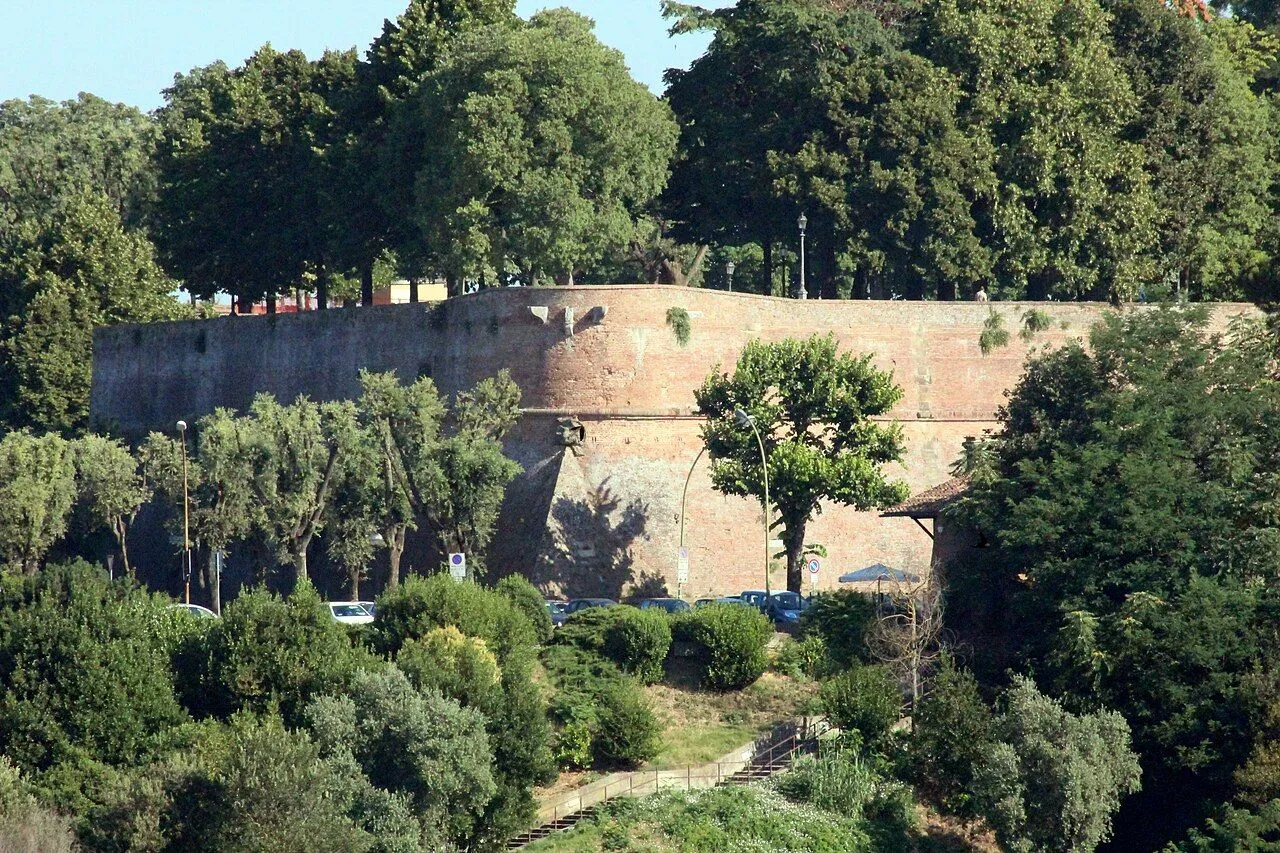
They did not come into being at a single moment. They are the result of centuries of expansions, adjustments, and adaptations that followed step by step the growth of the city: from the first medieval circle that enclosed the core of Castelvecchio and the Cathedral, to the final perimeter of about 6.5 kilometers that can still be walked almost entirely today. The Sienese orography, made up of ridges, depressions, and slopes, guided every choice: the walls were never arranged as regular rings, but as a complex organism that followed the shape of the territory, curve after curve, elevation after elevation.
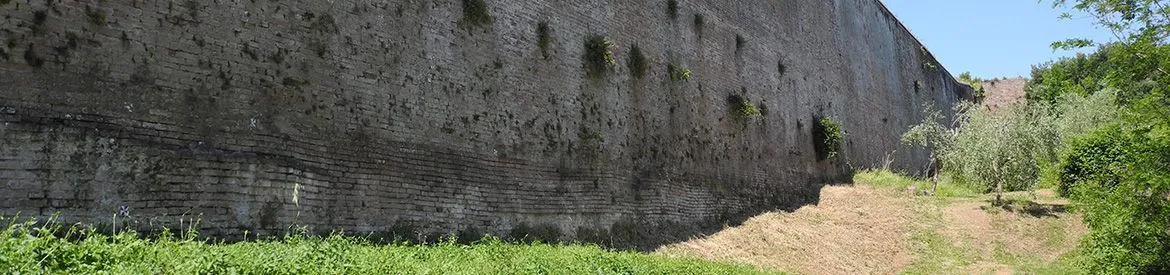
The history written in stone

The first documentable defensive nucleus dates back to the early Middle Ages, when the walls enclosed the area of the Cathedral and Castelvecchio. From then on, history is a sequence of subsequent expansions: in the 12th century, the Mercatale and the Third of Camollia, crossed by the Via Francigena, were incorporated. Between 1257 and 1412, the perimeter gradually expanded eastward and southward, following the growth of the boroughs and the defensive needs of the Republic. Only in the 15th century was the last significant expansion added, which brought the Basilica of San Francesco within the walls, which had remained outside until then.

The Black Death of 1348 abruptly interrupted this expansionist push: the demographic collapse made further enlargements unnecessary, and some valleys incorporated into the perimeter remained semi-abandoned for centuries. Then, with the end of the Republic and Siena's entry into the Medici orbit, the walls changed function: no longer a military frontier, but a regulated margin of urban life, a place for controlling transit and goods.

The circuit today. Seven gates and a heritage to walk

The preserved perimeter is extraordinarily intact. There are seven historic gates still in use: Porta Camollia, Porta Ovile, Porta Pispini, Porta Romana, Porta Tufi, Porta Laterina, and Porta Fontebranda. In addition, there are two modern openings obtained through partial demolitions of the curtain (Varco di Fontegiusta and Varco di San Lorenzo) and a series of ancient gates closed over time, each with its name and history, which are still recognizable within the walls. The Antiporto di Camollia is part of the defensive system, along with more complex structures: the Bastion of Pispini, the Bastion of Laterino, the mighty Medici Fortress, the ruins of the Spanish Citadel, and the Fort of the Women of Camollia.

The path segment by segment. 
A City that reads as you walk

The walls of Siena do not have a single age. Each segment of the perimeter carries with it a different date, a different reason, a different piece of the city's history. The oldest visible section, from Fontegiusta to Porta Campansi, dates back to around 1170, built to connect boroughs and fortifications along the northern ridge. The most recent, from Porta Ovile to Santo Spirito, was commissioned by Pius II around 1450 not for defensive urgency, but for a vision of the future: it incorporated the Basilica of San Francesco and the large valley of Follonica in an almost prophetic urban gesture.

In between, eleven segments tell every phase of the city's growth: the section from 1200 that replaced the ancient consular walls, those from 1323 and 1326 that incorporated the valleys of Montone and Laterino, the segments from 1408 and 1412 that brought the Borgo dei Pispini and the valley of Pania within the walls, up to the 18th-century section between the Lizza and Fontegiusta, rebuilt around 1720 at the behest of Gian Gastone de' Medici on the ruins left by the war of 1555.

Following this path means reading Siena as a palimpsest: every wall is a date, every gate is a choice, every expansion is a story of growth, fear, or ambition.

The walls belong to the Military Demanio and are entrusted to the Superintendency: a protected heritage, but not always easily accessible, that deserves more attention than it normally receives.

Come and follow its path

The walls of Siena are understood by walking. Not inside the city, but along its margins: following the path from the inside or the outside, catching its elevations, towers, connections, and valleys that open up suddenly.

Choose a gate, go out, walk along the walls. You will find a different Siena from that of the guides, more structural and more real, one that no monument alone can tell.

Perimeter of the historic center of Siena, accessible from all seven historic gates.