The Cinta Senese: the pig that is a work of art
From the Good Government of Lorenzetti to your dining table
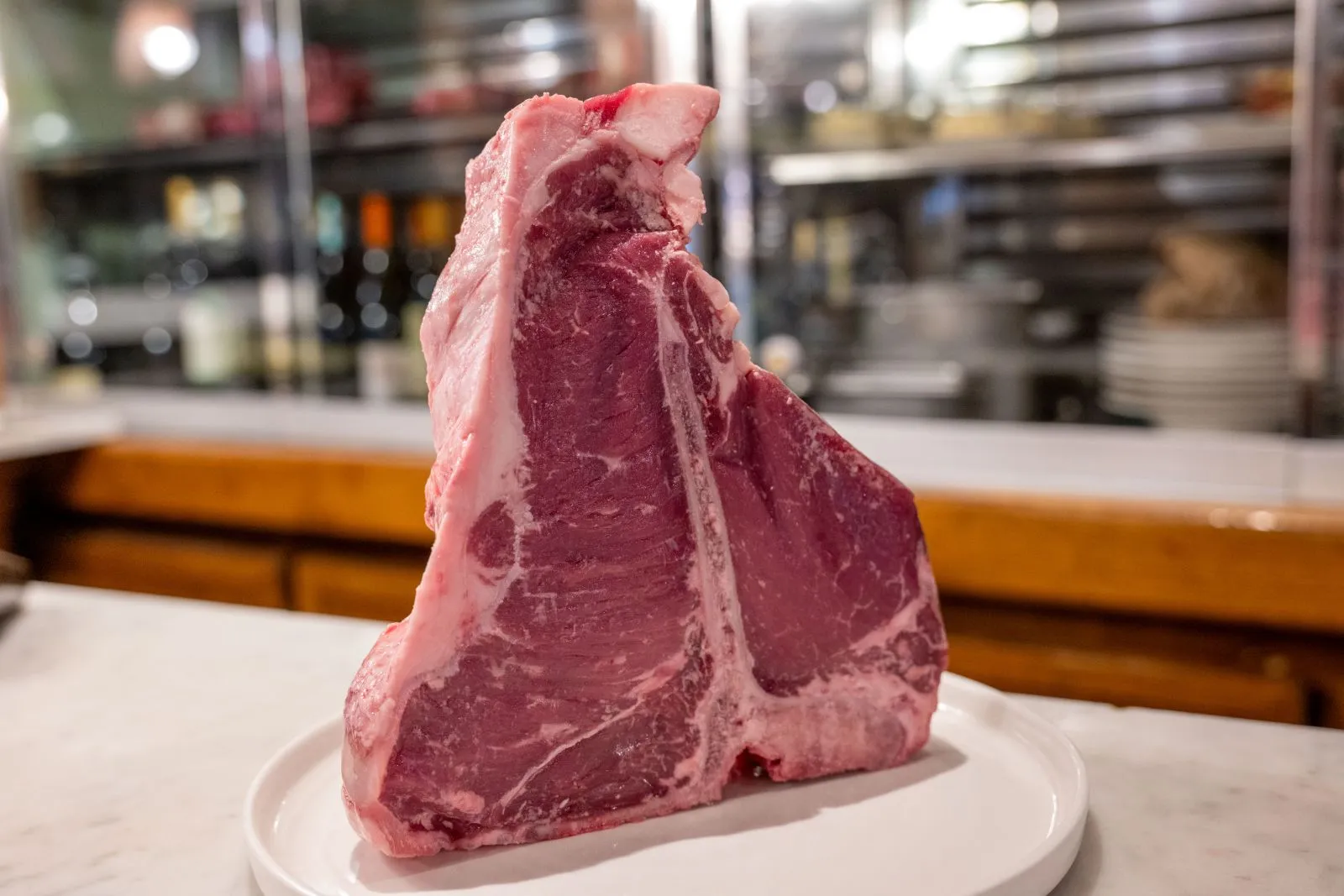
The name comes from the characteristic white band (the "cinta") that surrounds the dark coat of the pig, "encircling" the chest, shoulders, and front legs. The Cinta Senese is an indigenous pig breed that has grazed in the Sienese woods for time immemorial. So ancient that it appears as early as 1338 in the frescoes of the Good Government by Ambrogio Lorenzetti. Raised in a semi-wild state, it produces naturally marbled, flavorful, and aromatic meat — the result of a life lived outdoors, among acorns, clearings, and fresh air.
Lonza and Cinta salami: two characters, one excellence
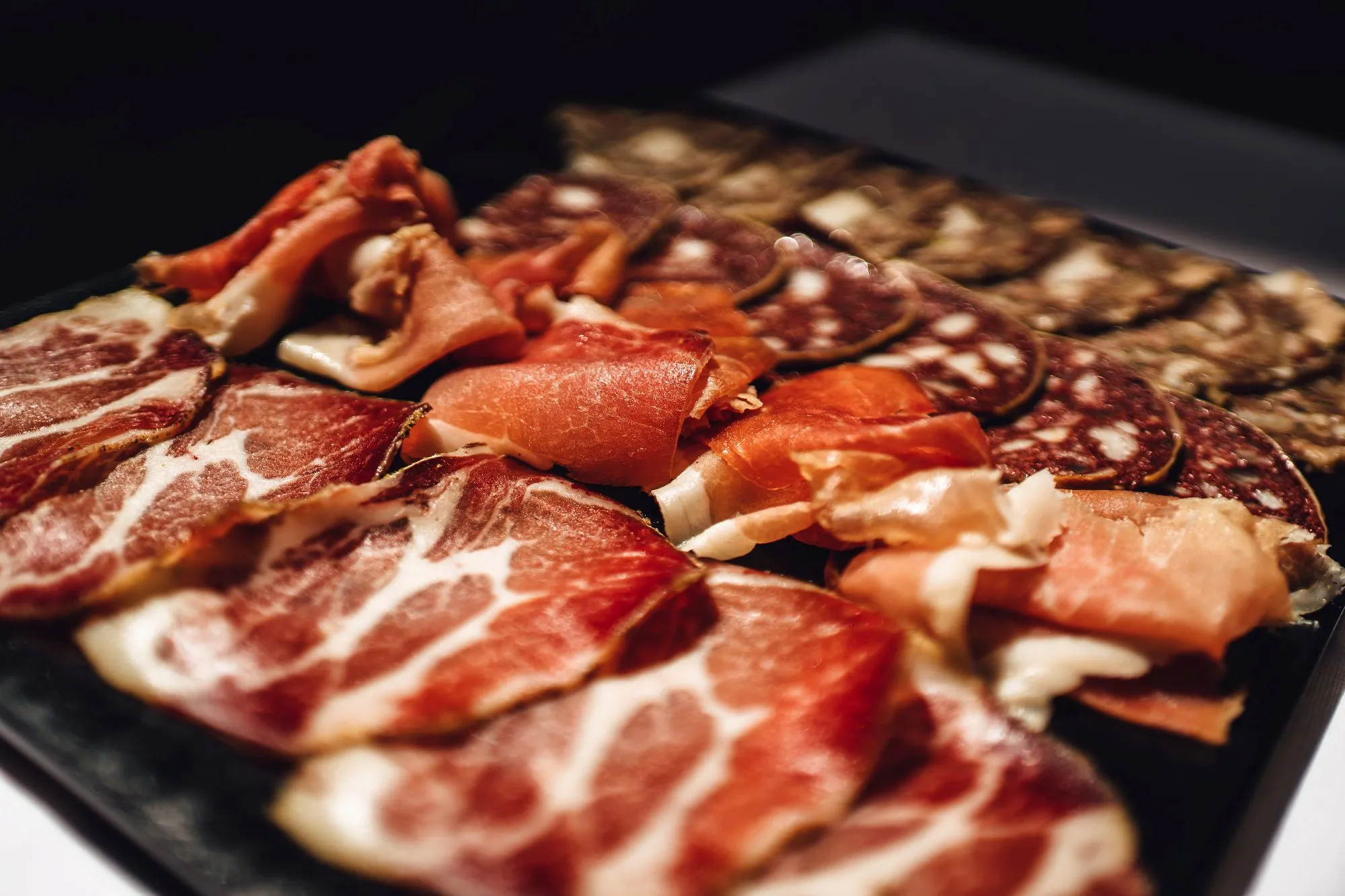
The lonza di Cinta Senese, derived from the loin, is the most elegant cut: tender, lean just right, with a sweet aroma that comes from slow and natural aging. The Cinta Senese salami, on the other hand, has a more rustic and straightforward character — coarse grain, minimal seasoning, an intense flavor that brings back memories of peasant snacks, lunches under the pergola during the grape harvest. Two souls of the same extraordinary animal.
The Sienese capocollo: aromas that change from valley to valley
Obtained from the upper part of the neck, the Sienese capocollo is a rich and enveloping cured meat, flavored with pepper, garlic, and sometimes wild fennel. A recipe that is never the same: it changes from valley to valley, from family to family, preserving small variations passed down quietly like household secrets.
Finocchiona and Tuscan ham: the great protagonists
Finocchiona: born by chance, remained forever
Tender, fragrant, unmistakable. The finocchiona was born in the Middle Ages out of necessity: pepper was too expensive, and wild fennel grew everywhere in the Tuscan countryside. Legend has it that its recipe was discovered by chance when a stolen salami was hidden in a field of fennel and absorbed its aroma. True or not, it is the perfect story for a product that always surprises.
The DOP Tuscan ham: savory, decisive, inimitable
Rougher and saltier than other great Italian hams, the DOP Tuscan ham owes its character to generous salting — historically essential to cope with the humid climate of the inland hills. Aging in natural environments, where the air from the woods leaves its aromatic notes, completes a product that needs no introduction.
How to eat it: the ritual of the Sienese cutting board
Unsalted bread, pecorino, and a glass of red
All these cured meats find their ideal companion in Tuscan unsalted bread, which originated in the Middle Ages when salt was taxed and precious, perfect today to enhance the intense flavors of the cured meats. Served with local pecorinos, black crostini, and a glass of red wine from the Sienese hills, they become much more than an appetizer: they become a sensory journey into the most authentic soul of Tuscany.