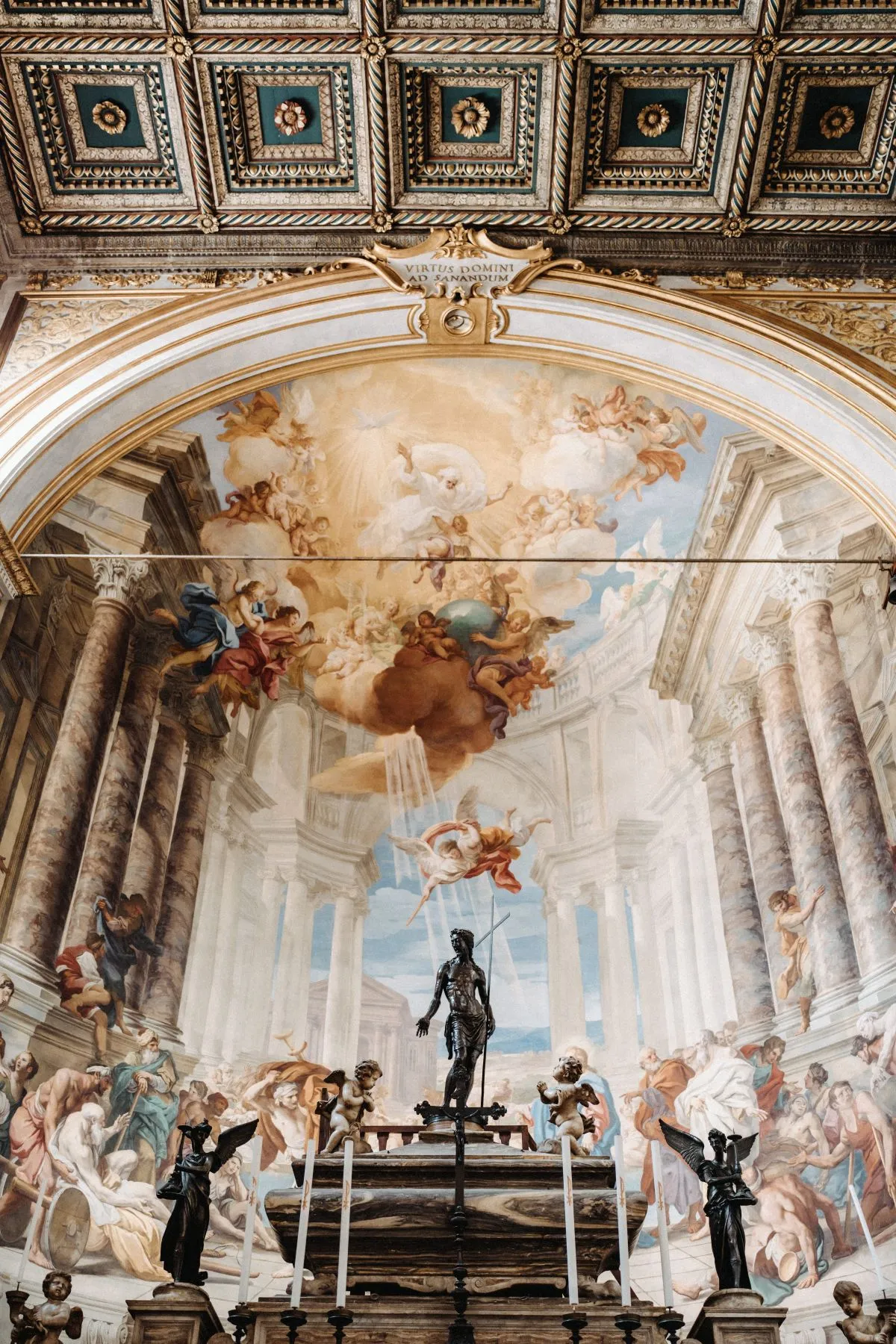
Between light and devotion: the Most Holy Annunciation
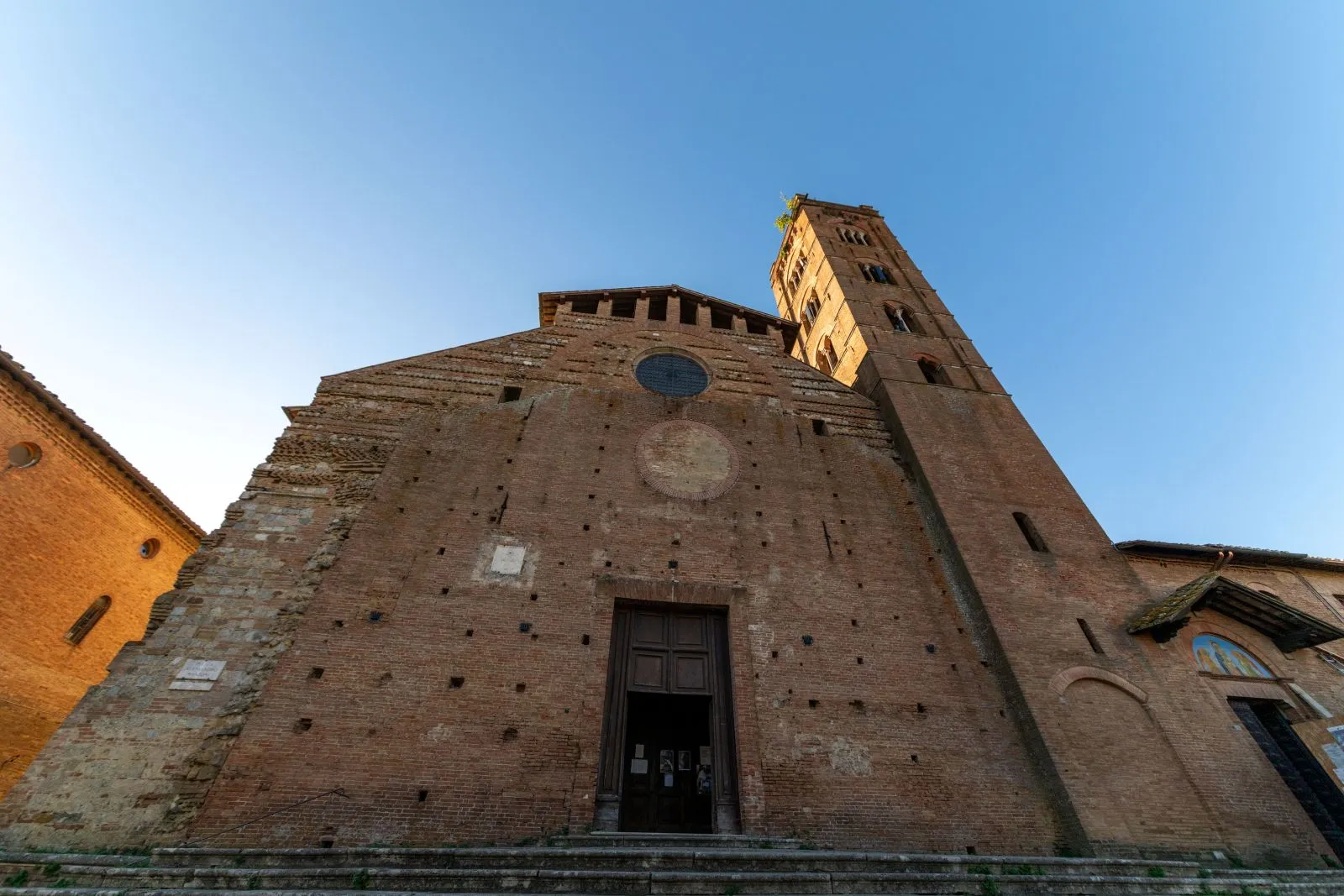
A breath of light and silence tells centuries of faith in the Church of the Most Holy Annunciation, heart of the historic Hospital of Santa Maria della Scala. Founded in the 14th century as an internal chapel of the Hospital, the Church provided shelter and spirituality to pilgrims along the Via Francigena. Rebuilt and expanded in the 16th century, it now displays harmonious elegance, a result of Tuscan Mannerist culture. The sober facade guards a spiritual treasure, evoking grace, listening, and renewal according to Sienese tradition.
Frescoes and gilding, the Annunciation and the 18th century in the Most Holy Annunciation
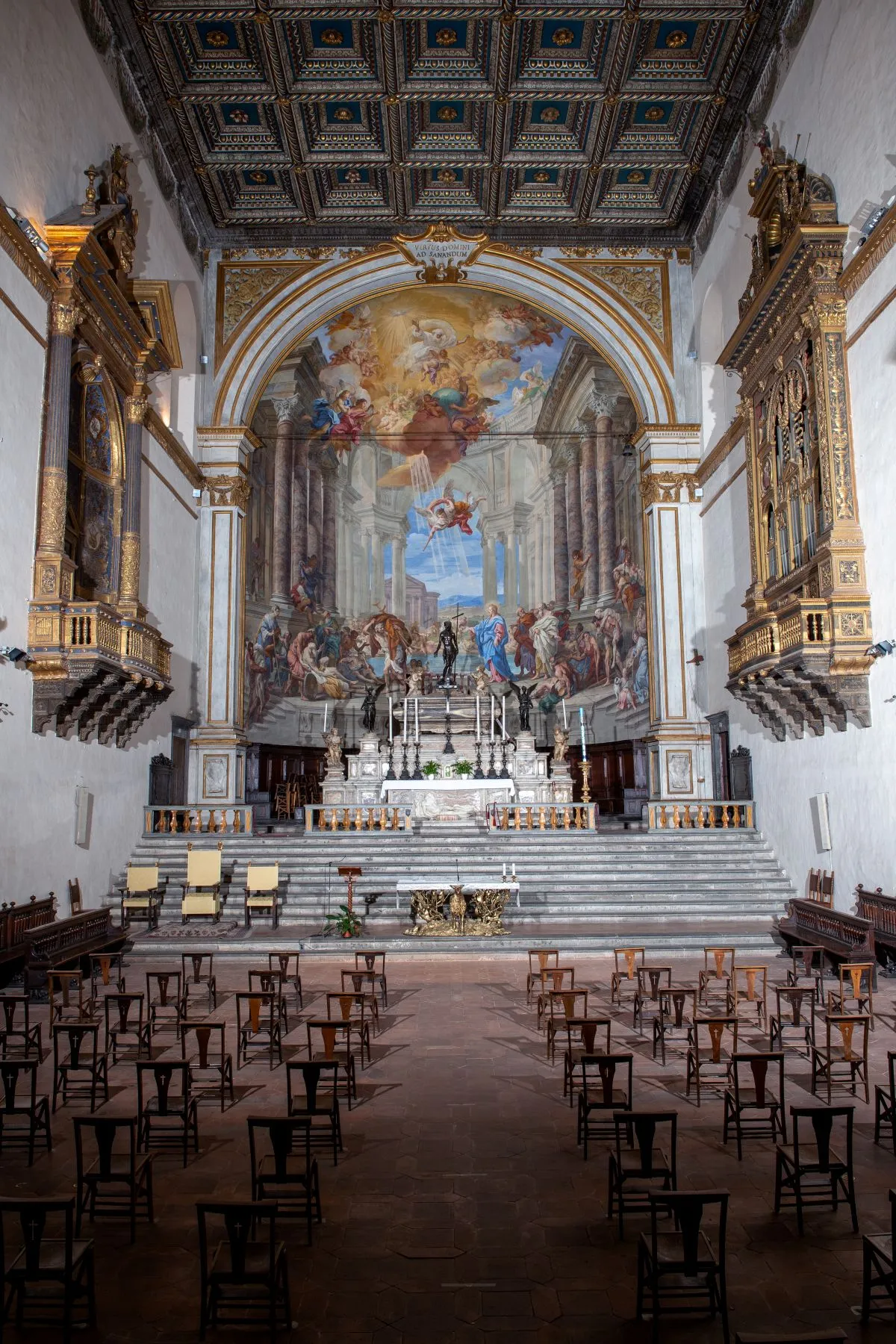
The main altar hosts a splendid Annunciation created in 1730, attributed to Sebastiano Conca, known for his luminous and theatrical sensitivity. The internal decorations, rich in stuccos and gilding, reflect the late Baroque taste prevalent in Siena between the 17th and 18th centuries, created according to the testamentary wishes of the ancestor Rector of the Hospital.
Frescoes and canvases from the Sienese school accompany the visitor along the walls, creating a visual path that intertwines devotion and beauty. The chapel of the hospital, connected to the church, preserves works of great historical value, telling the daily life of pilgrims and the sick.
Between art, history, and spirituality
Artists like Francesco Vanni and Ventura Salimbeni, active in the same complex, contribute to an atmosphere of intense pictorial spirituality. The church was a place of passage for travelers, offering comfort, care, and a moment of silence before resuming the journey to Rome.
Many Sienese consider it a “border” place: suspended between the city and the world of pilgrims, between art and charity, history and faith. The light filtering through the high windows creates golden plays that change throughout the day, transforming the environment into a small sacred theater.
The Hospital of Santa Maria della Scala: art that heals and welcomes
Visiting the Church of the Most Holy Annunciation after the Hospital of Santa Maria della Scala, one perceives a deep dialogue between art, care, and spirituality: every stone and every fresco tells stories of welcome, of pilgrims, and of faith that has been passed down through the centuries.