History and Origins
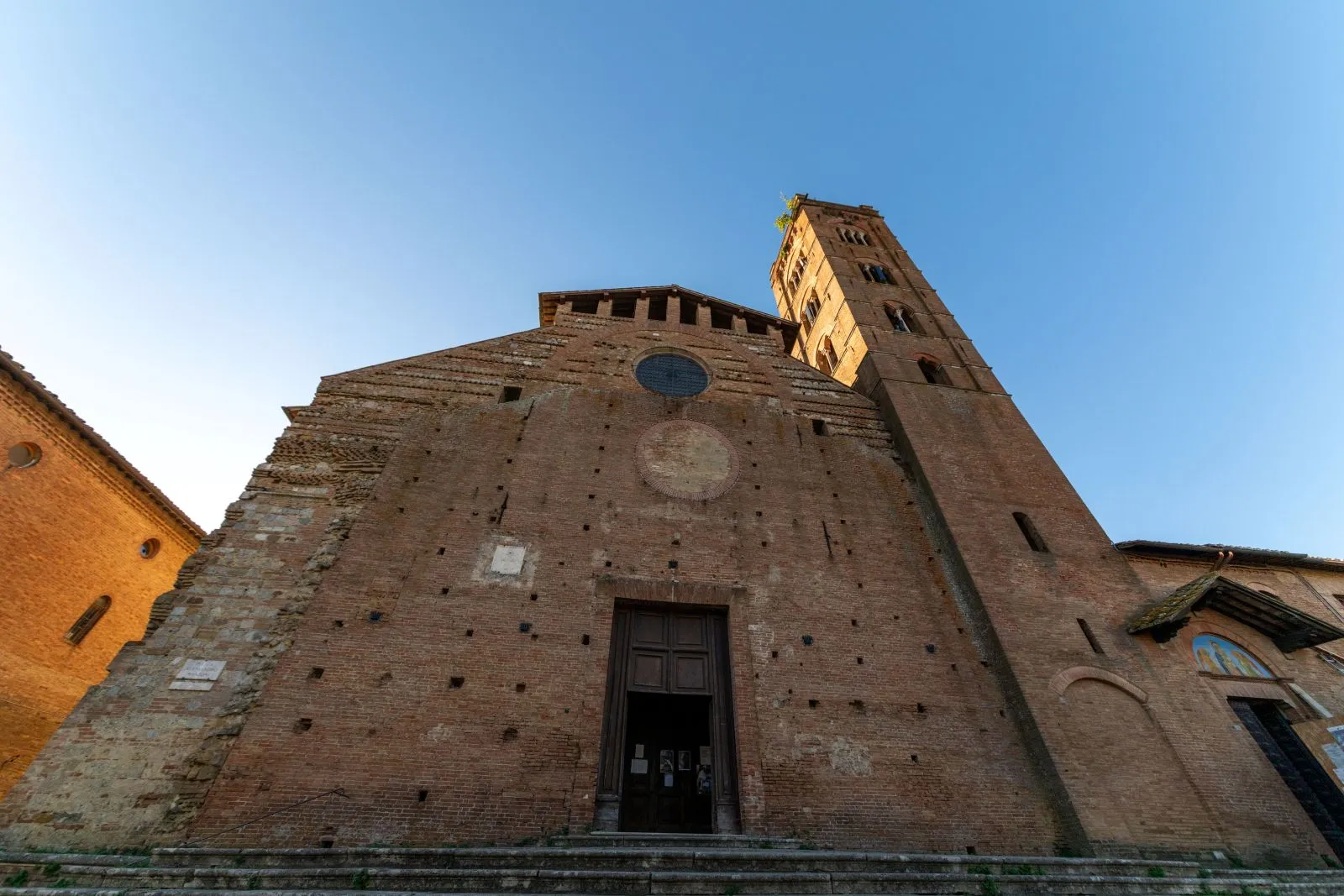
The church stands on Via Pantaneto, in the Terzo di San Martino, on a previous structure already existing in 1081 and dedicated to San Giorgio, in thanksgiving for the victory of Siena at Montaperti on September 4, 1260. The belfry, although altered, retains according to tradition 38 small windows in memory of the companies that took part in the battle.
From 1586 to 1666, the Church hosted the Congregation of the Holy Nails, founded by the Sienese Matteo Guerra, following the spirit of the Oratory of San Filippo Neri, with aims of penitential discipline, preaching, and theological training of the clergy. In 1666, Pope Alexander VII suppressed it, entrusting it to the Sienese Archiepiscopal Seminary, which remained there for about two centuries, giving rise to numerous artistic commissions from the prelates of the Chigi-Zondadari family.
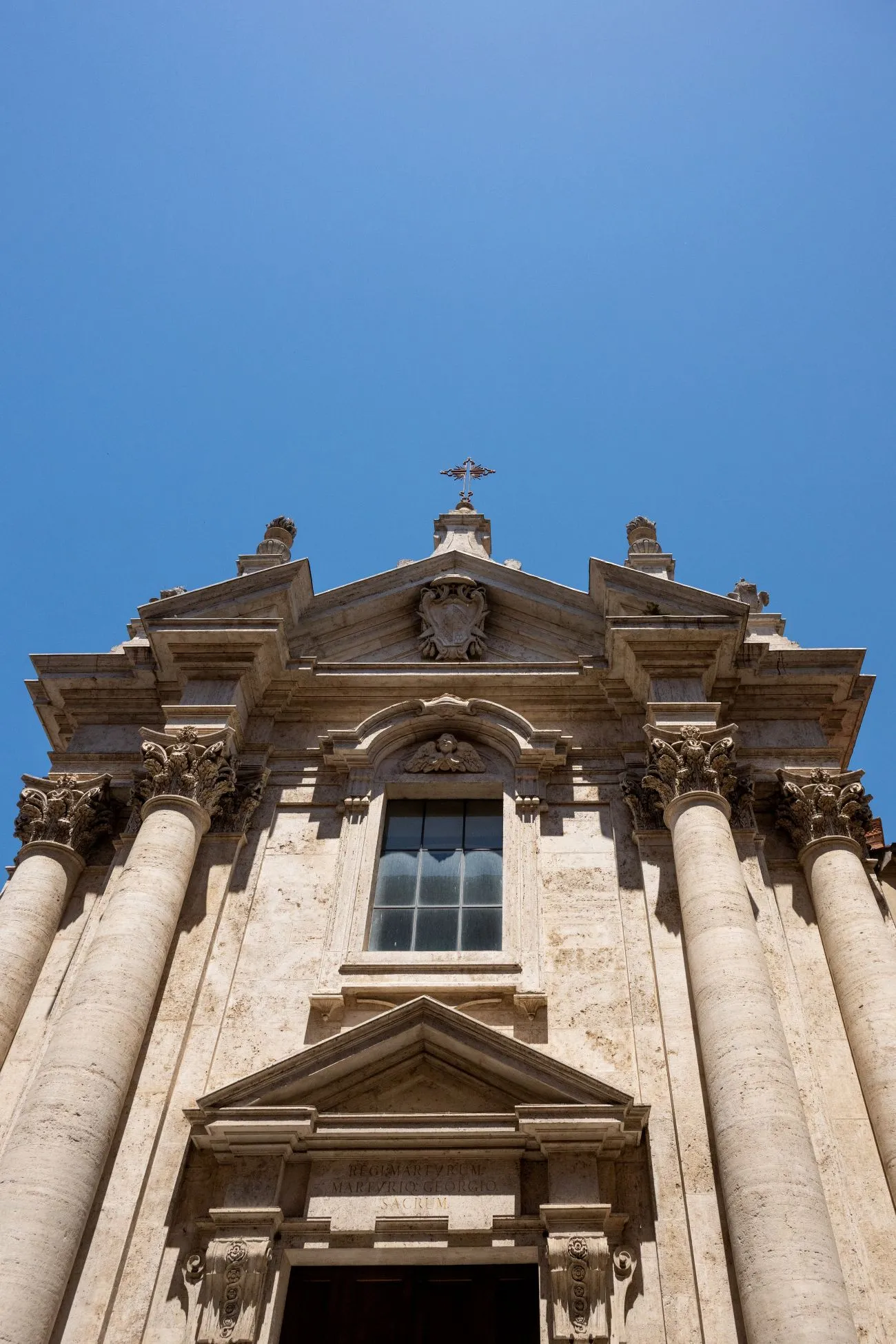
At the beginning of the 18th century, Cardinal Anton Felice Zondadari, brother of the then Archbishop of Siena Alessandro, decided to restore the entire building. The works began in 1723 and, amid demolitions and new constructions, culminated in the consecration of the new church on September 9, 1731, with a neoclassical facade designed by Pietro Cremoni di Arosio and subsequent finishing touches completed in 1738 under the direction of Antonio Fondi. The church was definitively completed on November 19, 1741, also thanks to the testamentary bequest of Cardinal Zondadari.
Architecture and Decorations
The Church of San Giorgio combines elements of late Romanesque with Baroque-style renovations. The facade, renewed in the 18th century, is made of travertine from the Serre di Rapolano and embellished with elegantly carved details.
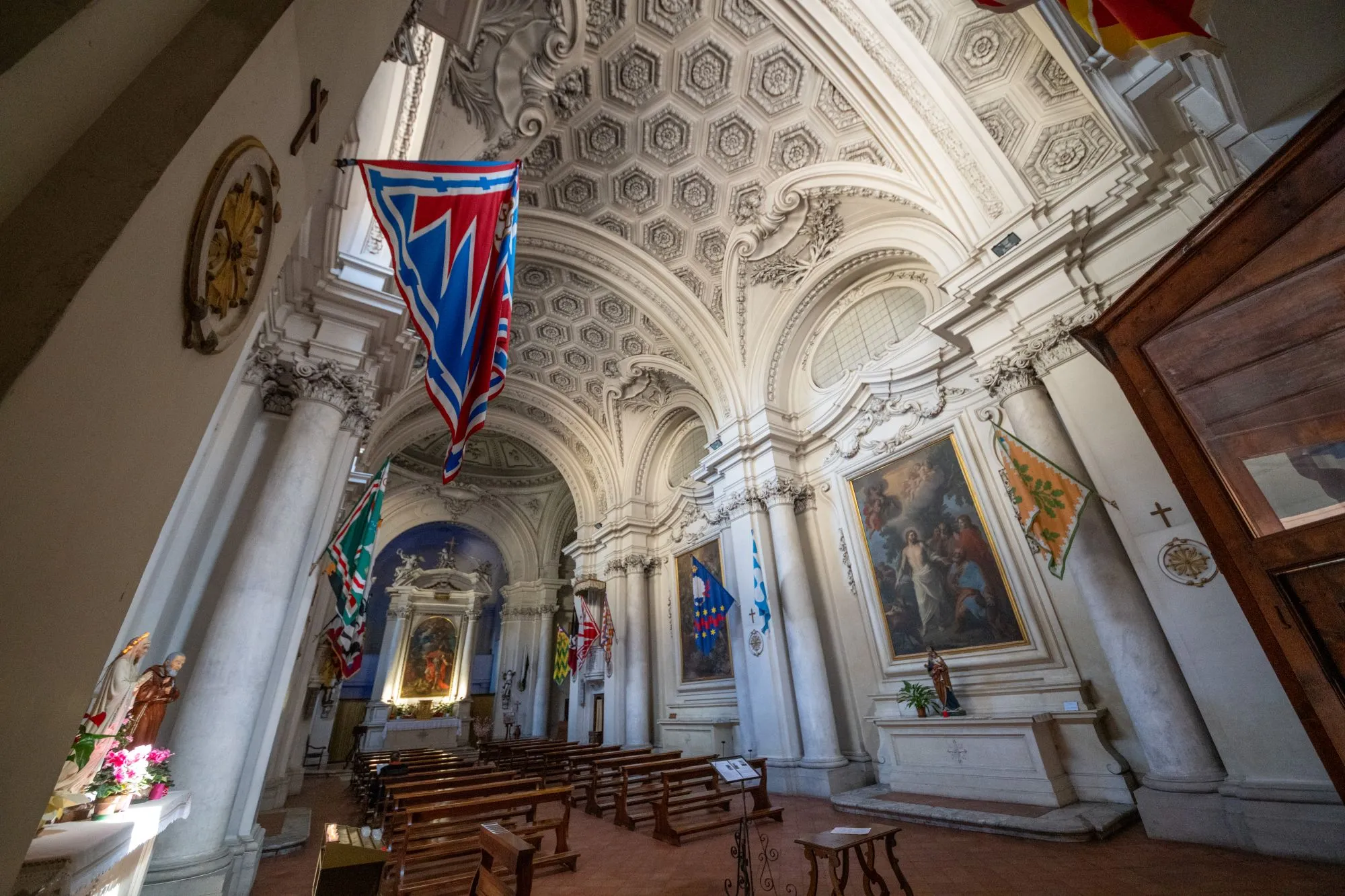
The interior houses numerous works of art commissioned by the Zondadari family and other important Sienese personalities.
Main Works and Artists
Among the most significant works:
- Saint George and the Dragon by Sebastiano Conca
- Monument in memory of the painter Francesco Vanni (1656)
- Paintings by Francesco Vanni, Raffaello Vanni, Placido Costanzi, Niccolò Franchini, and Vincenzo Meucci
- On either side of the altar, two funerary monuments from 1748 dedicated to the brothers Anton Felice and Alessandro Zondadari
- Notable paintings: Meeting on the Way to Calvary by Raffaello Vanni (17th century), Crucifixion with Father Matteo Guerra by Francesco Vanni (circa 1601–1602) and the main altar with Saint George and the Dragon by Sebastiano Conca (18th century)