Art and architecture
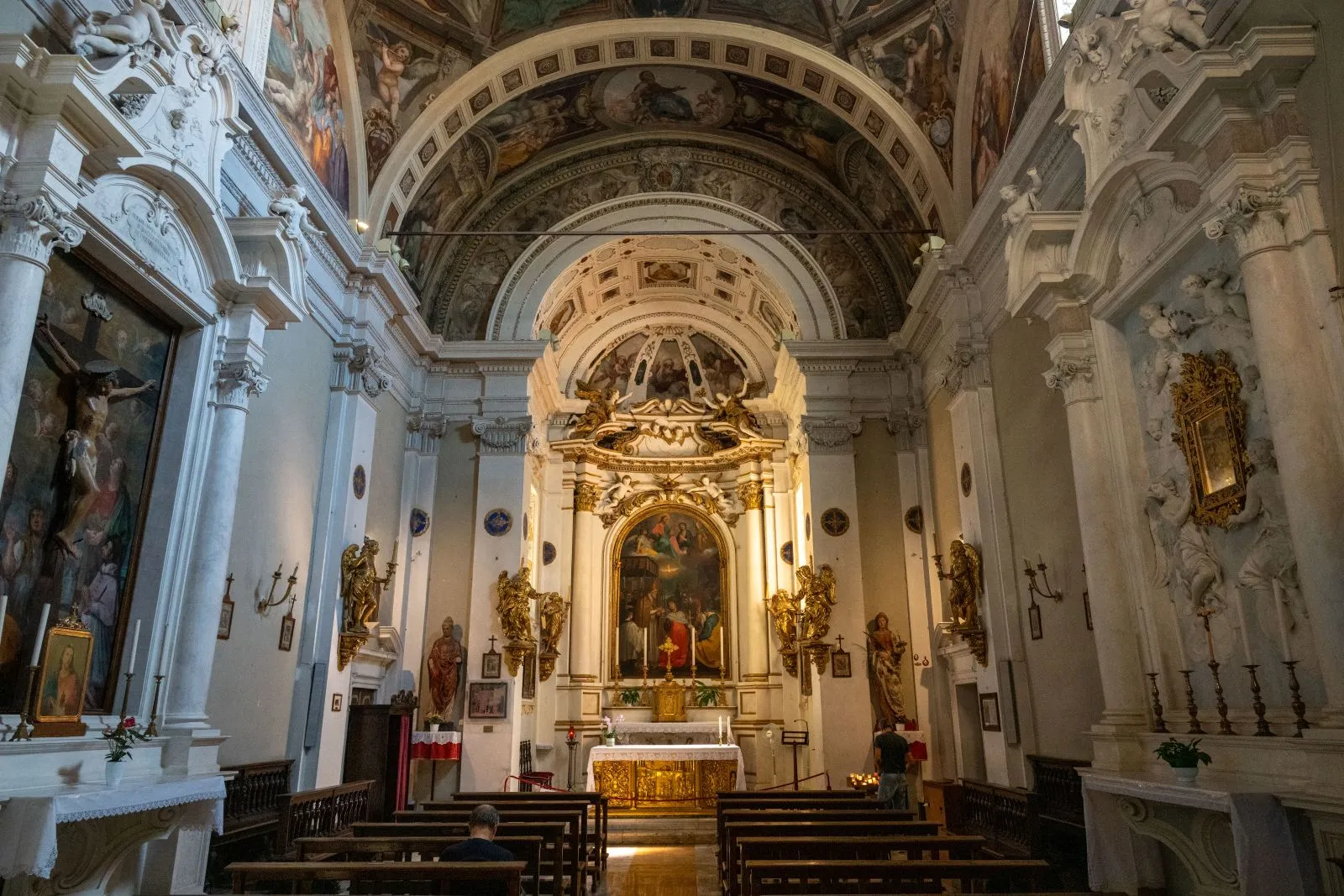
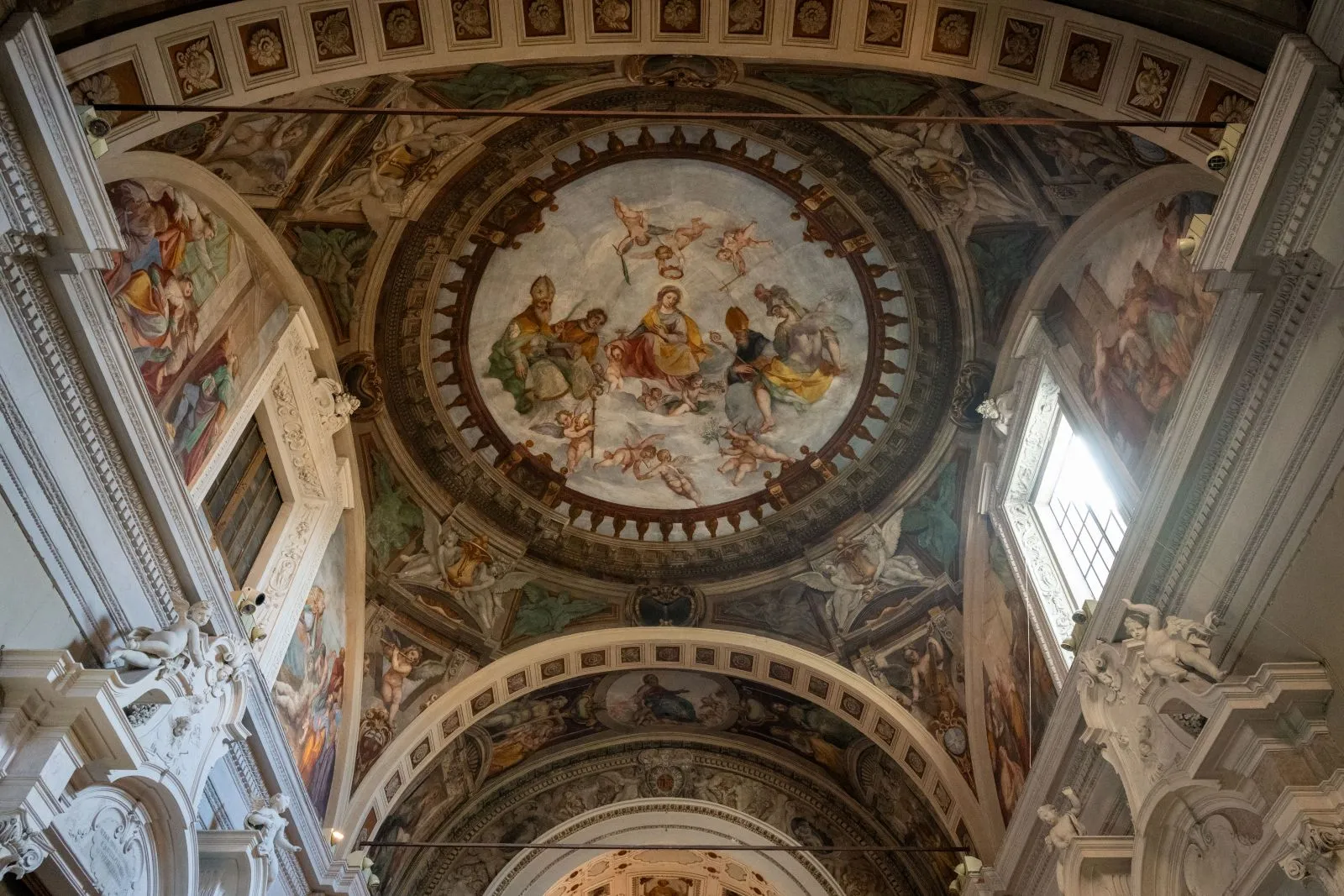
The interior of the church is a remarkable example of Sienese painting of the 17th century and preserves the authentic atmosphere of the ancient confraternities of the city. Dominating the vaults is the Triumph of Santa Lucia, created between 1612 and 1621 by Sebastiano Folli, while on the arch one admires the figure of Saint John the Evangelist, with intense colors and great theatricality. The main altar houses the Martyrdom of Santa Lucia (1606) by Francesco Vanni, traditionally venerated also by Saint Bernardino of Siena. Completing the spaces are the polychrome terracotta statues from the 15th century, depicting Santa Lucia and Saint Nicholas, the numerous side altars with canvases from the Sienese school, liturgical furnishings, reliquaries, and processional objects. The stucco decorations and gilded frames express the artistic richness typical of the Sienese 17th century, while ancient registers, garments, and manuscripts testify to the history of the confraternity and its closeness to the city.
Festival and tradition
Every year on December 13, the day of the feast of Santa Lucia, the church welcomes thousands of faithful. The most awaited moment is the blessing of the eyes, a rite that recalls the meaning of the name Lucia, “light.” The Pian dei Mantellini hosts the traditional fair, with terracotta bells painted in the colors of the Contrade and the blessed rolls distributed as a sign of protection and good omen.
Why visit
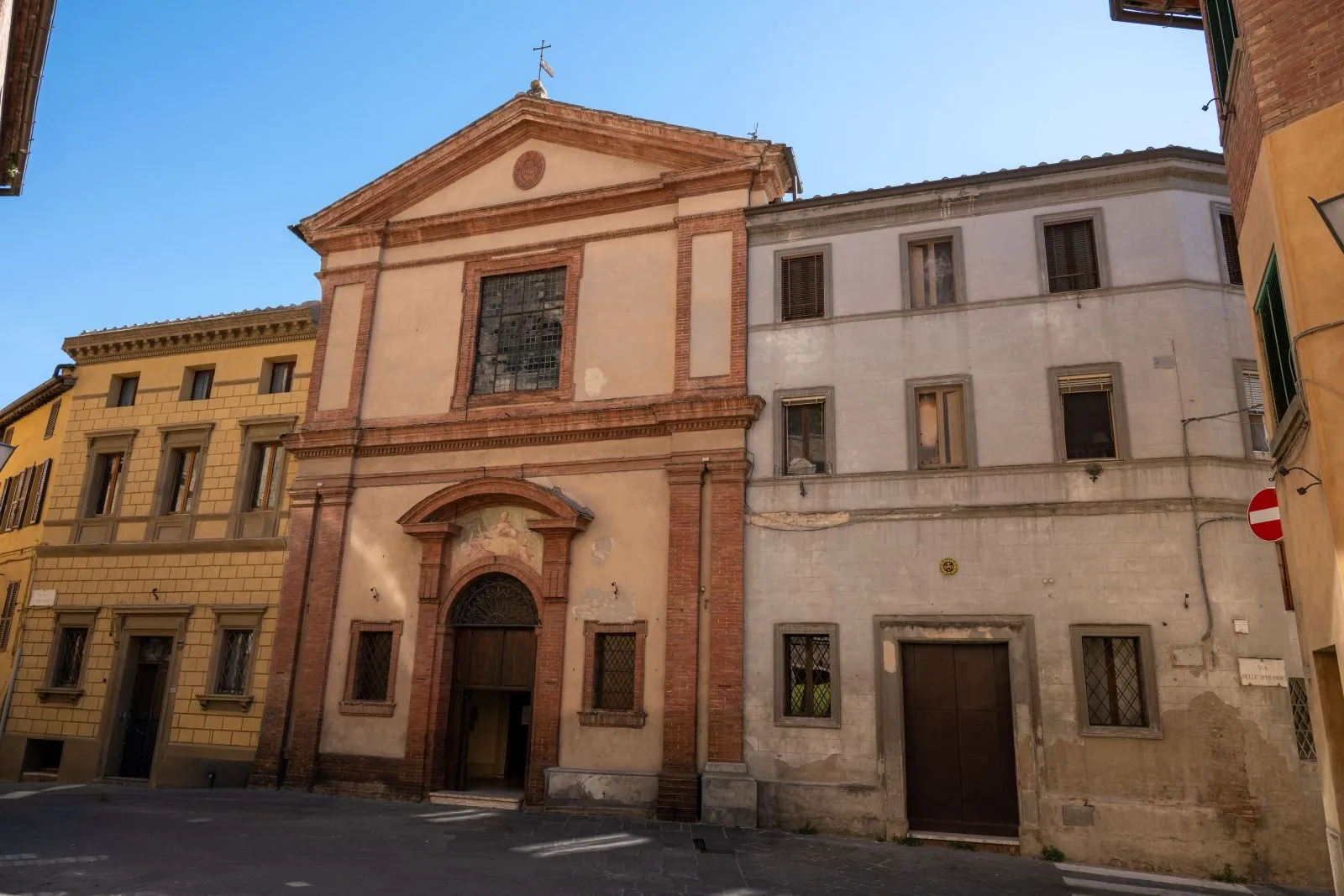
Visiting the Church of Santa Lucia means immersing yourself in a place where art, faith, and history continuously interact. It is a cozy and evocative space, capable of conveying the life of the confraternities, popular devotion, and Sienese culture in all its nuances. A place where careful observation offers deep emotions, and where every detail tells centuries of identity and tradition.