History of the convent and the Gesuati
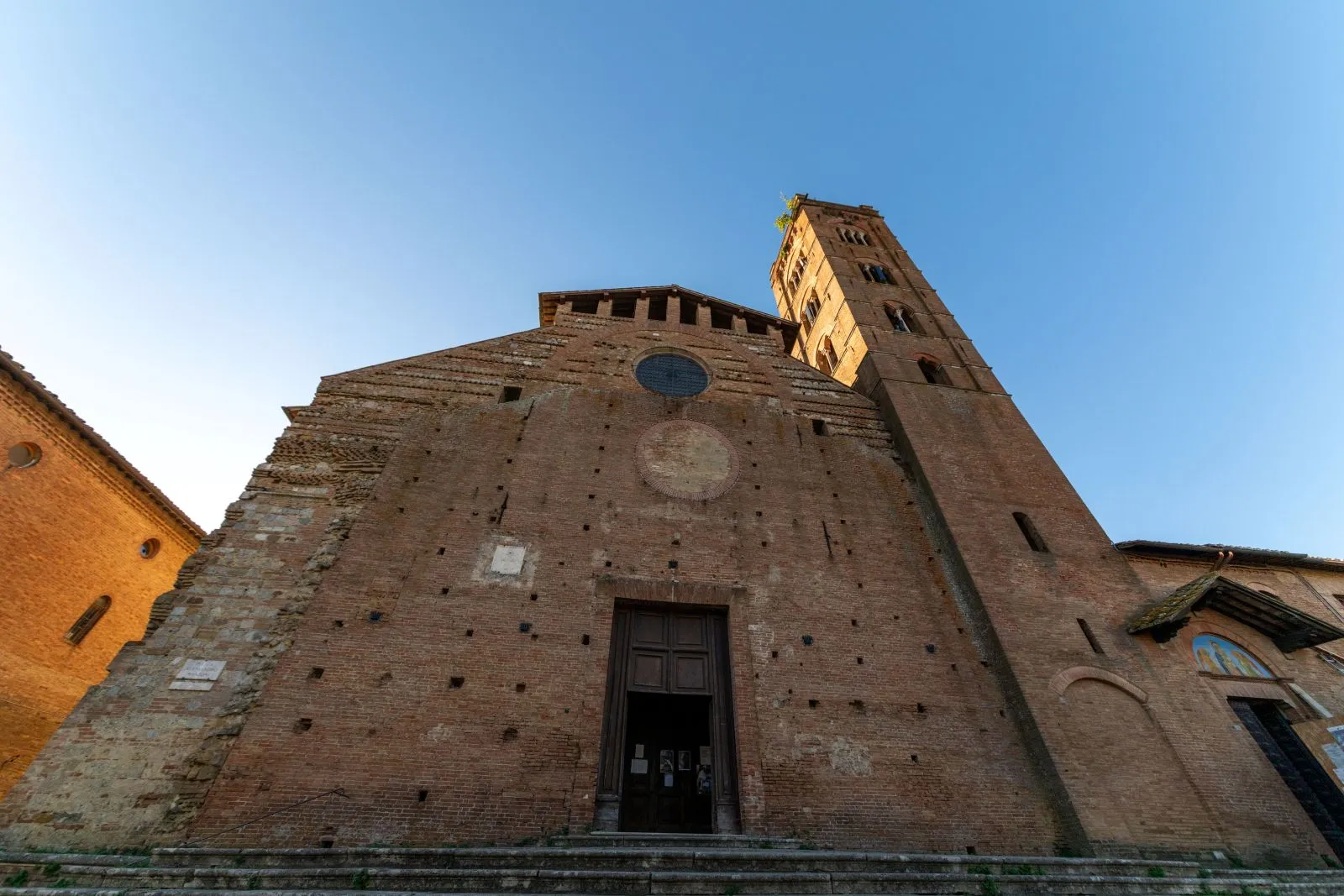
The convent was founded in 1354 at the behest of Francesco di Pietro Porcari as a home for the Gesuati, a lay order that combined prayer and manual labor. Here, artisans, glassmakers, apothecaries, and dye-makers worked, men who sought God through their craft. In 1428, the construction of the church began, with a single nave, essential and perfect for the sober spirituality of the Gesuati. The complex experienced difficult times: in 1552, during the Spanish siege, it was severely damaged. It was later rebuilt, changed its appearance, and in the 19th century, it became the home of the Daughters of Charity of Saint Vincent de Paul, who still care for it today.
Architecture and cloister
The heart of the convent is the cloister, simple and harmonious, with sober arches and a central well. Here the Gesuati prayed, worked, and conversed. The cells were small and essential, with a bed, kneeler, and narrow window. Some still preserve graffiti and inscriptions from the religious. Beneath the convent are warehouses, cisterns, and perhaps ancient passages; during the siege of 1552, the complex became a refuge for many Sienese.
Works of art and internal collection
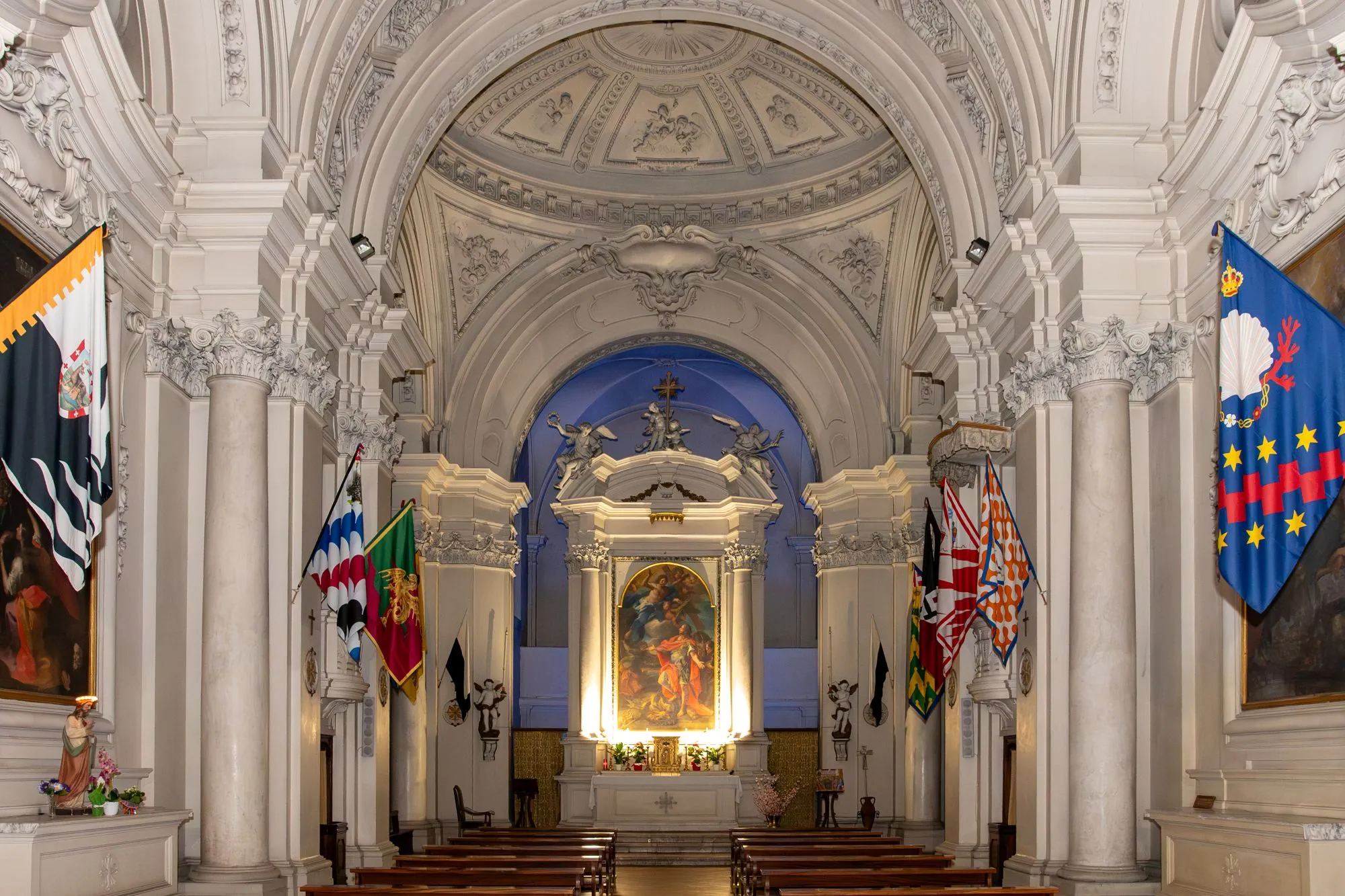
Traces of frescoes by Bernardino Fungai remain on the walls, while the corridors house works by Fra’ Giuliano da Firenze, Francesco Vanni, and Alessandro Casolani, a testament to Sienese mannerism. Many frescoes were whitewashed over the centuries and only resurfaced with recent restorations. In the church of San Girolamo, built in the 15th century, there are works of great value:
- Stories of Blessed Giovanni Colombini by Fra’ Benedetto da Brescia and Fra’ Benedetto da Lucca (1575)
- Madonna with Child, angels, and saints attributed to Giuliano da Firenze (15th century)
- Coronation of the Virgin by Sano di Pietro, with gold, grace, and slender figures, the quintessence of the Sienese school
- Ecstasy of Saint Jerome by Domenico Manetti (17th century)
- Tombstone of Bishop Antonio Bertini, carved marble by Urbano da Cortona (15th century), a rare example of Sienese funerary sculpture
The Gesuati were also famous for the production of glass, lenses, and pigments: many Sienese painters of the 15th century sourced their colors here for their works. The Vincentian sisters still preserve some traditional medical recipes: herbal teas, ointments, and natural remedies. The library once housed texts on theology and technical manuals, completing the picture of an order that combined knowledge and daily practice.