When Siena Breathes
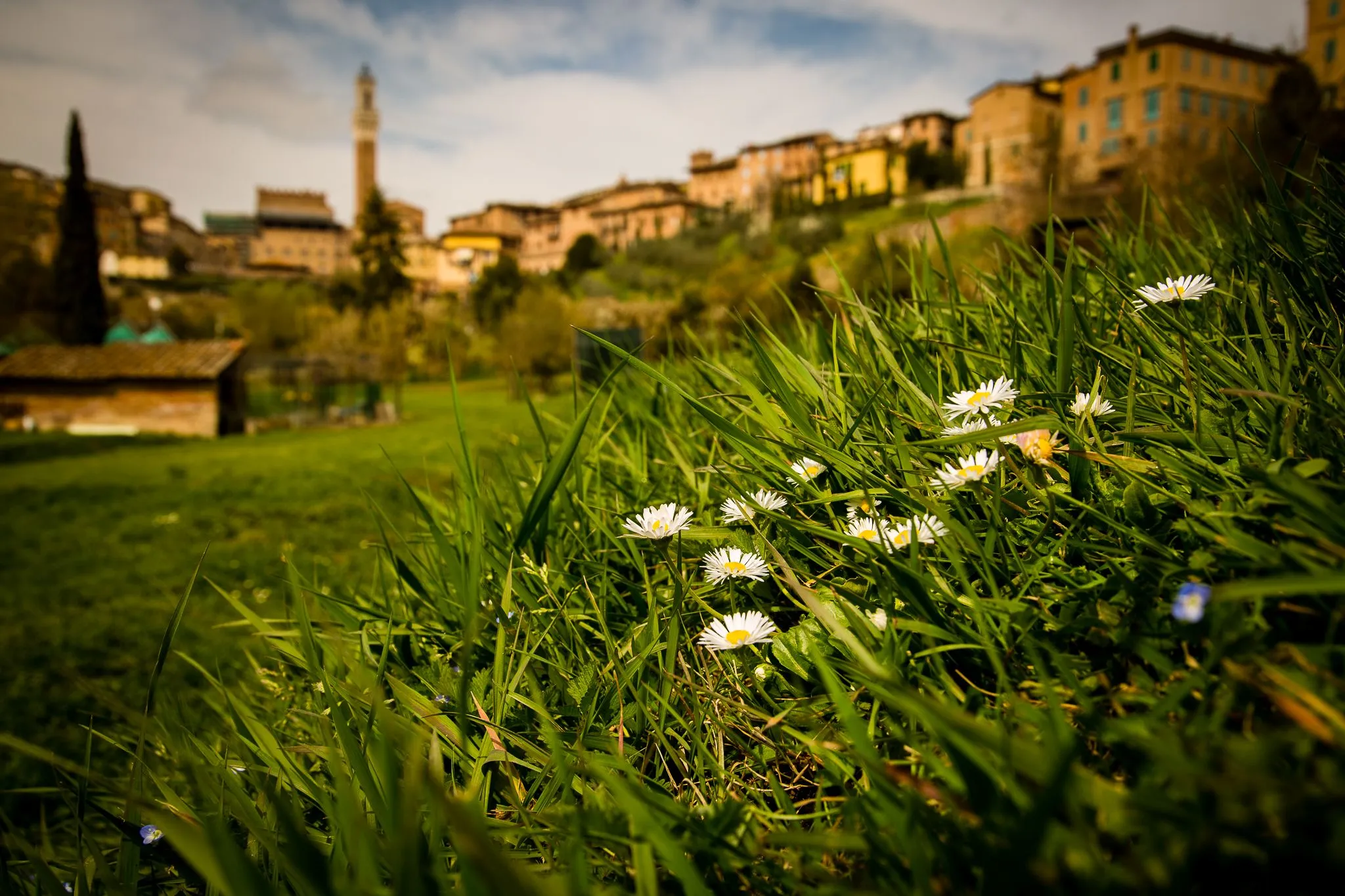
Arriving at the Gardens of Lizza means feeling the city change its rhythm. After the narrow alleys and ancient stones, the space opens up into a wide and bright breath, almost unexpected. Many visitors recount that it was at Lizza that they first felt the sensation of inhabiting Siena, not just visiting it: a moment of calm that prepares them to discover the rest of the city with more attentive eyes.
A History of Centuries
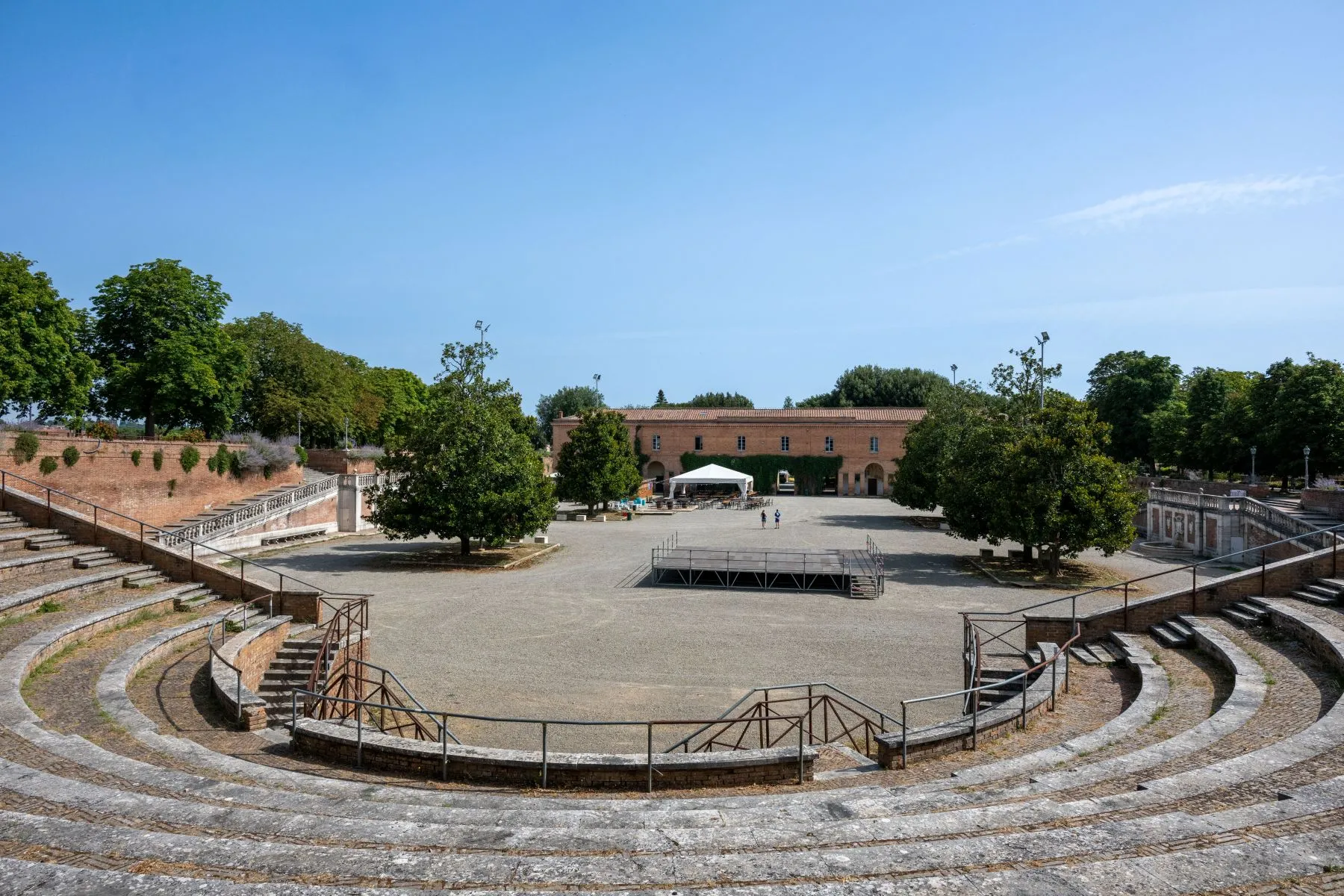
The name reveals its origins: "lizza" referred to the ground where knights challenged each other in tournaments and skill tests. It is said that on training days, the sound of hooves echoed all the way to Porta Camollia, and that the neighborhood children would climb the walls to see the galloping horses. Some elders still recount that on summer evenings, it almost seems possible to perceive a distant gallop, like an echo that refuses to fade away.
In the 16th century, Lizza was the stage for the "hundred men-at-arms", the elite corps of the Sienese nobility. Their parades were so eagerly awaited that people would arrive hours early to secure a spot. A curious anecdote tells of knights with deliberately ironic names: "the Impatient Knight", "the Knight who Never Falls", famous instead for his spectacular falls. Lizza was a theater, and Siena loved the spectacle.
In the 18th century, it became the outdoor living room of the city. The poet Girolamo Gigli described it as a "green hill" where nobles and commoners mingled freely. Here, sudden loves, unexpected friendships, and some gossip would arise, which then bounced all the way to Piazza del Campo.
The Public Garden
The transformation into a public garden, which began in 1778, made this space even more beloved. The tree-lined avenues, the well-tended flowerbeds, and the view of the Medici Fortress turned it into one of the favorite places for Sunday strolls. In the 19th century, it was said: "If you haven't passed through Lizza, you haven't really gone out".
Art, History, and Daily Life
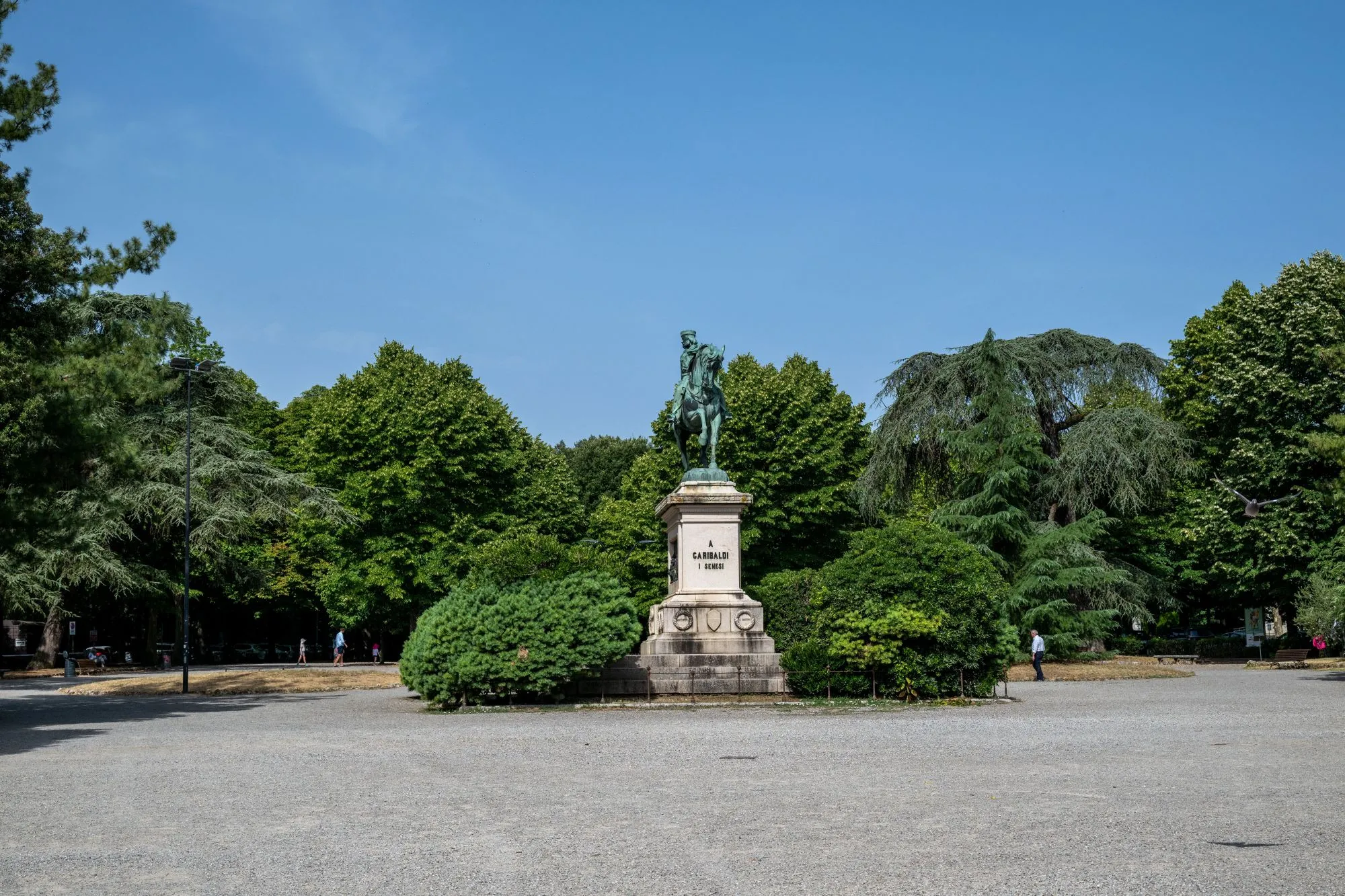
The equestrian monument to Garibaldi and the sculpture "Horse and its Foal" by Sandro Chia add a touch of history and contemporary art, creating a visual dialogue that makes Lizza perfect for those who love photography and unusual details.
Today, Lizza is much more than a garden: it is a daily reference point. Those walking their dogs, those running in the morning, those reading in the shade, those waiting for the bus in Piazza Gramsci enjoy a few minutes of greenery. For students, it is a meeting point; for tourists, an oasis of tranquility. Throughout the year, it hosts markets, seasonal fairs, concerts, outdoor exhibitions, and children's events.
Come for a Walk
Piazza Gramsci, Siena, adjacent to the Medici Fortress.