From medieval origins to the Senese Study
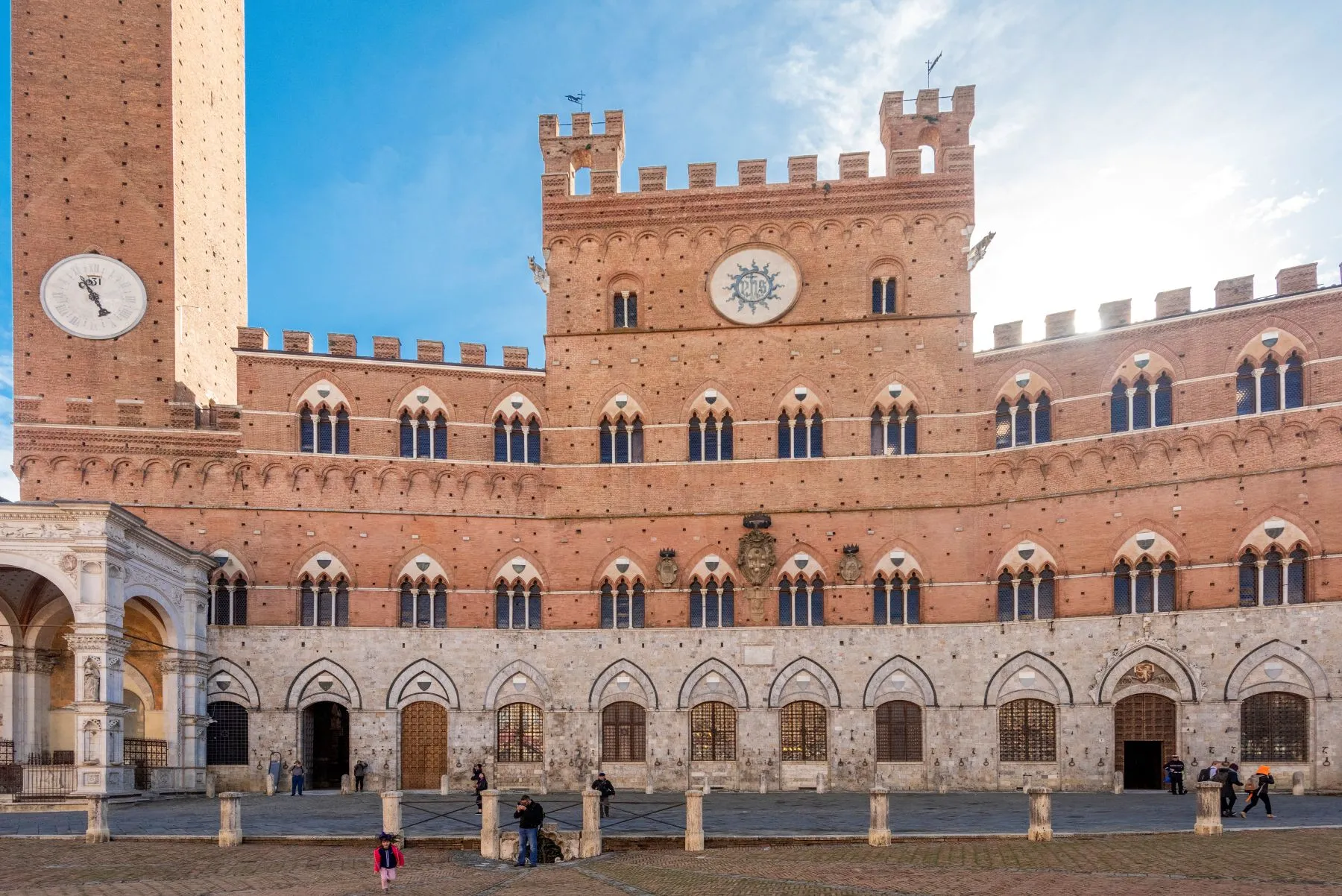
The first structures of the complex date back to the 13th century, when this area was designated for religious and assistance activities. In particular, it housed the Domus Misericordiae, founded by Andrea Gallerani, a place of welcome for orphans, the poor, the sick, and pilgrims. This social vocation, supported by the Municipality and religious authorities, integrated with other city institutions like the nearby Santa Maria della Scala, creating an urban fabric of solidarity and culture. In the 14th century, the complex became the seat of the Senese Study, one of the first Italian universities, consolidating the area's role as an intellectual reference center.
Expansions and Renaissance development
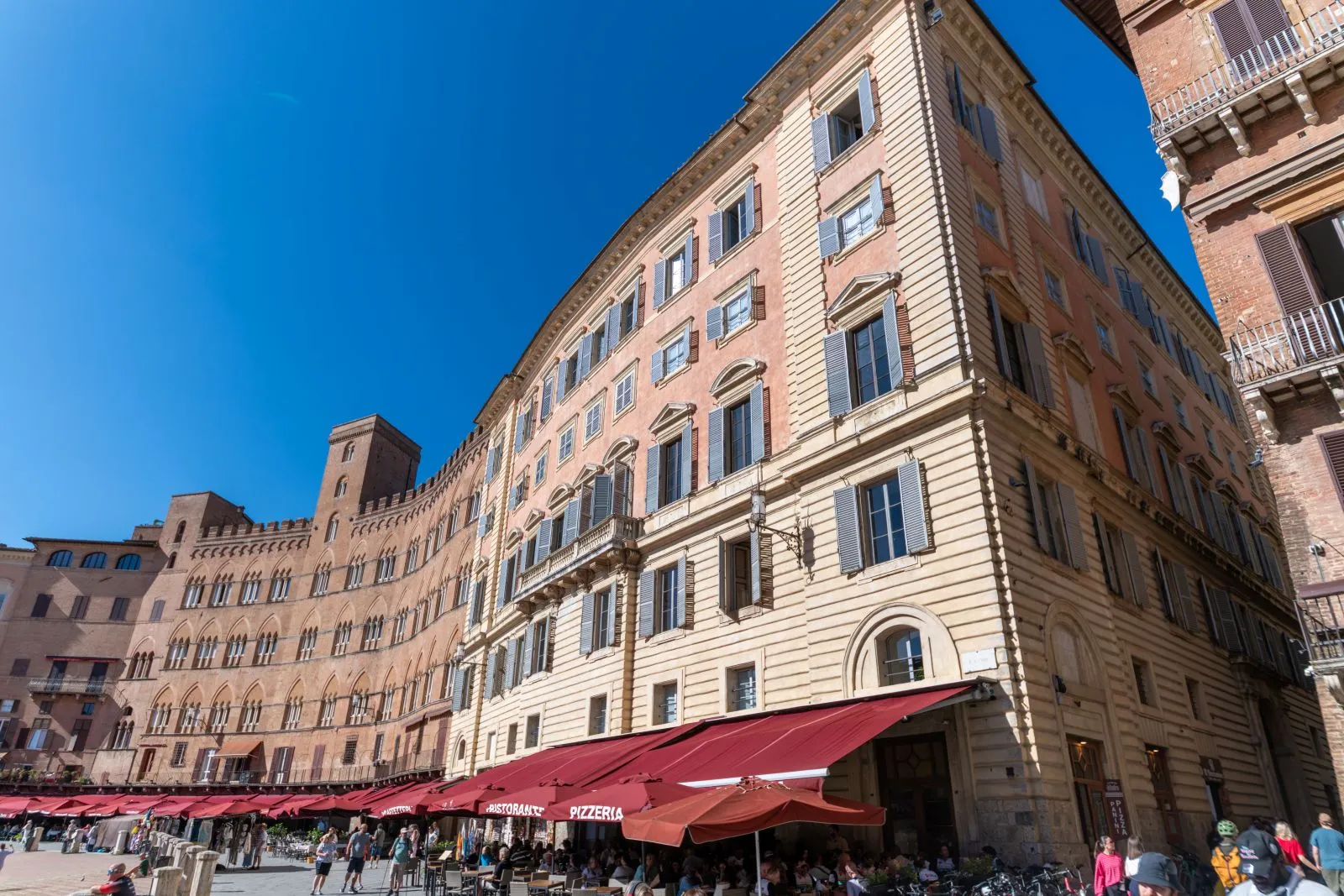
Between the 15th and 16th centuries, the House of Wisdom was progressively expanded and reorganized, incorporating nearby houses obtained through donations and purchases, and largely assuming the Renaissance appearance it still retains today. In 1280, an internal church was also built, completing the structure that combined education, spirituality, and welcome. The palace was not built in a single moment, but developed over the centuries, reflecting the civil, cultural, and assistance needs of the city.
The Library of the Intronati today
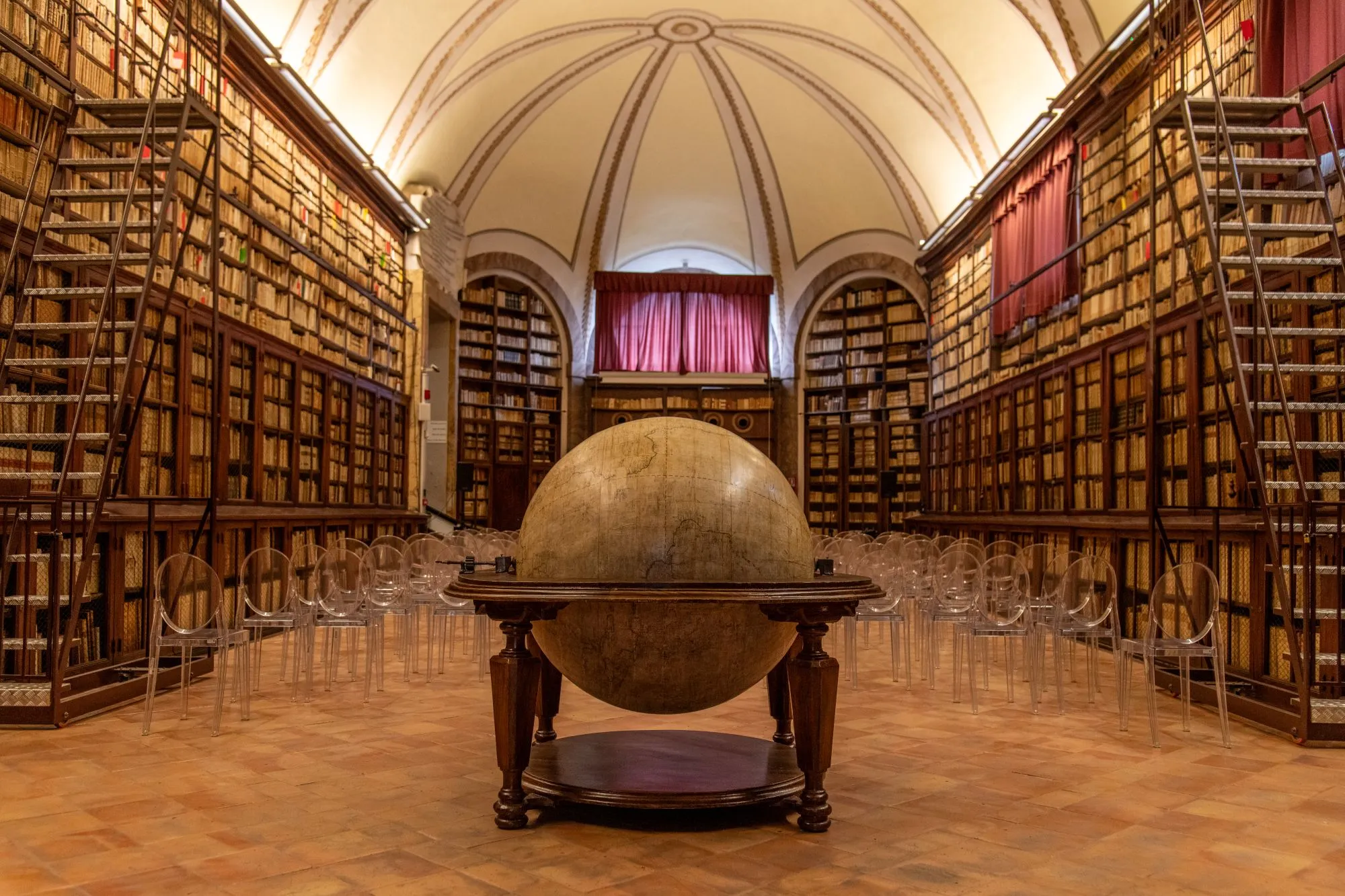
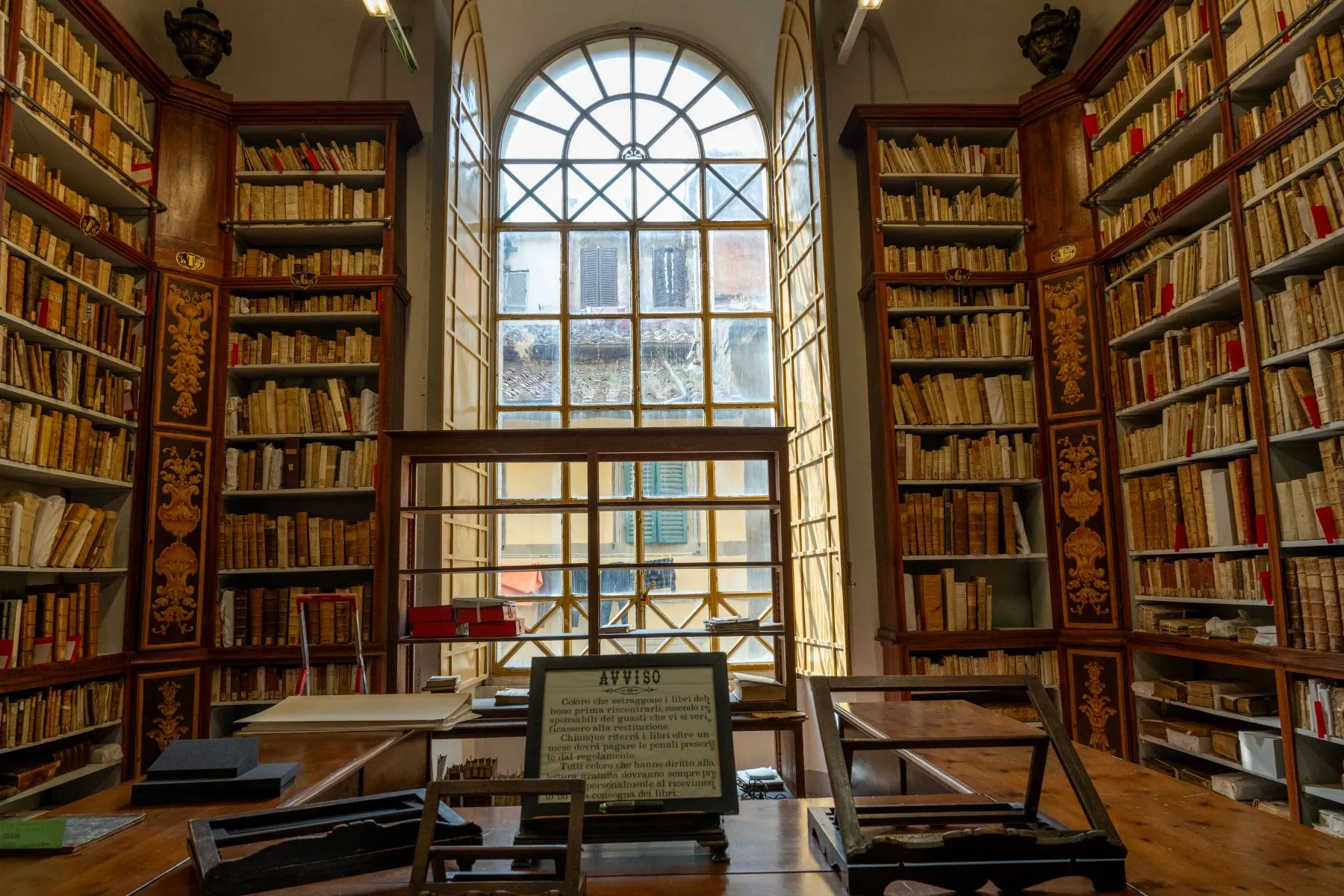
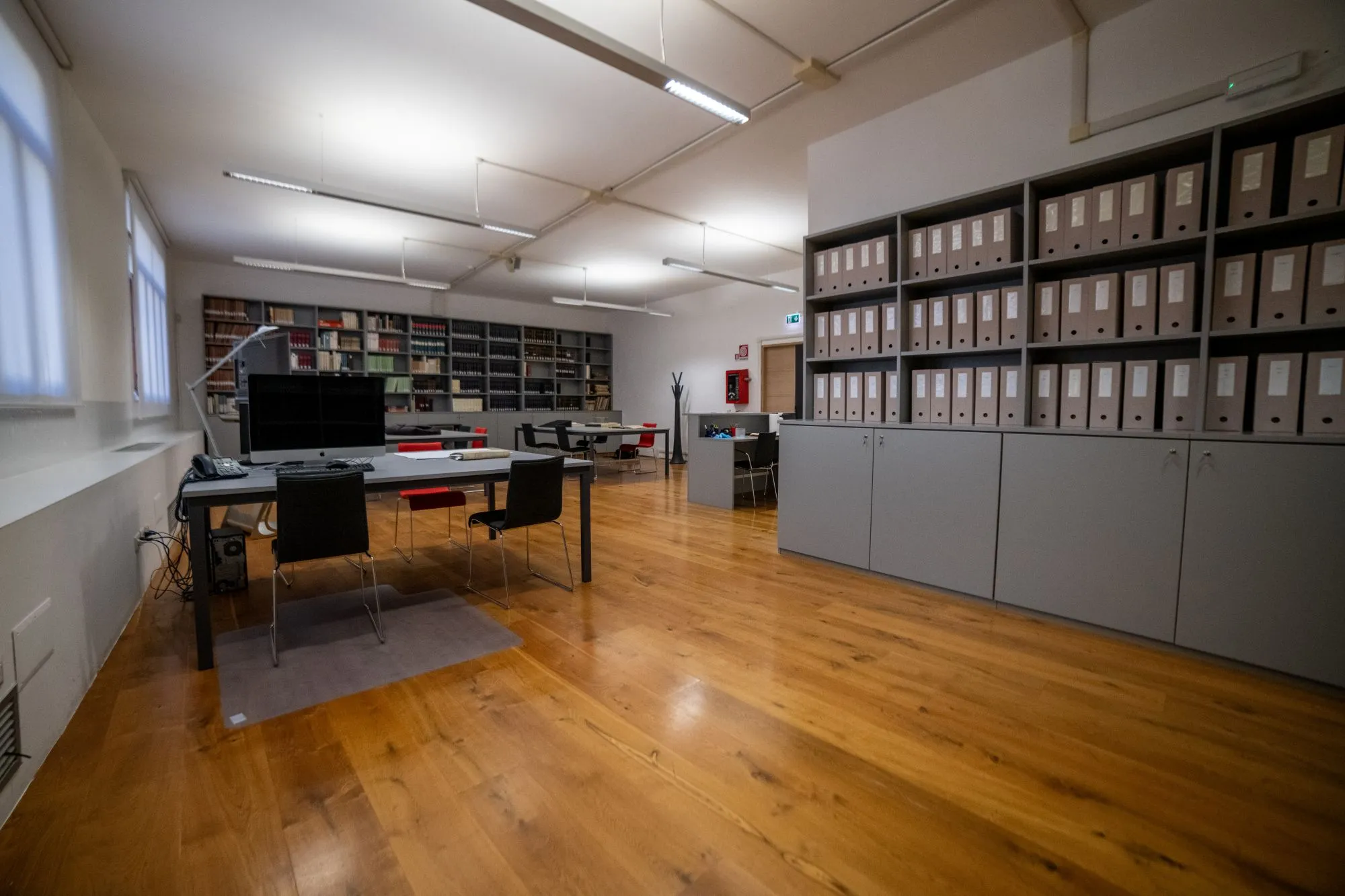
Today, the municipal Library of the Intronati represents a point of cultural and research reference for Siena. The rooms house ancient books, manuscripts, historical archives, and modern study environments. The library continues to embody the tradition of knowledge and access to culture that has characterized the complex since its origin, offering a unique experience for students, researchers, and curious visitors.
Credits:
- Antonio Cinotti