Palazzo Chigi Saracini: the Gothic in the heart of Sienese memory
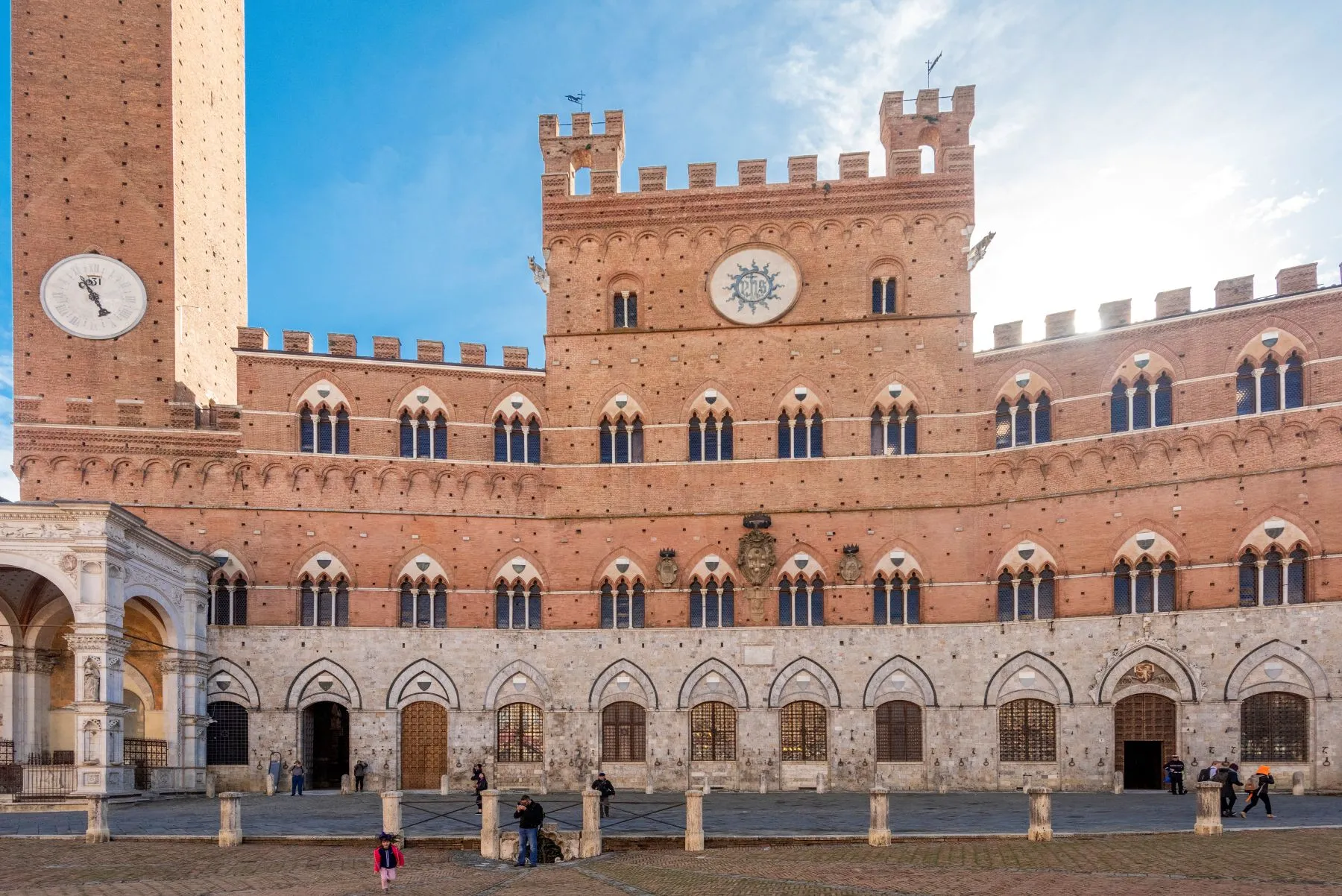
It was September 4th. The year was 1260. Siena had just won the battle of Montaperti. From the windows of Palazzo Chigi Saracini, the Sienese rulers learned of the success: according to tradition, from the top of the palace tower, a young drummer followed the phases of the battle and reported them to the gathered people below, like a medieval radio commentary filled with fear, anticipation, and hope. Palazzo Chigi Saracini thus becomes one of the places where Siena retains and tells its own story.
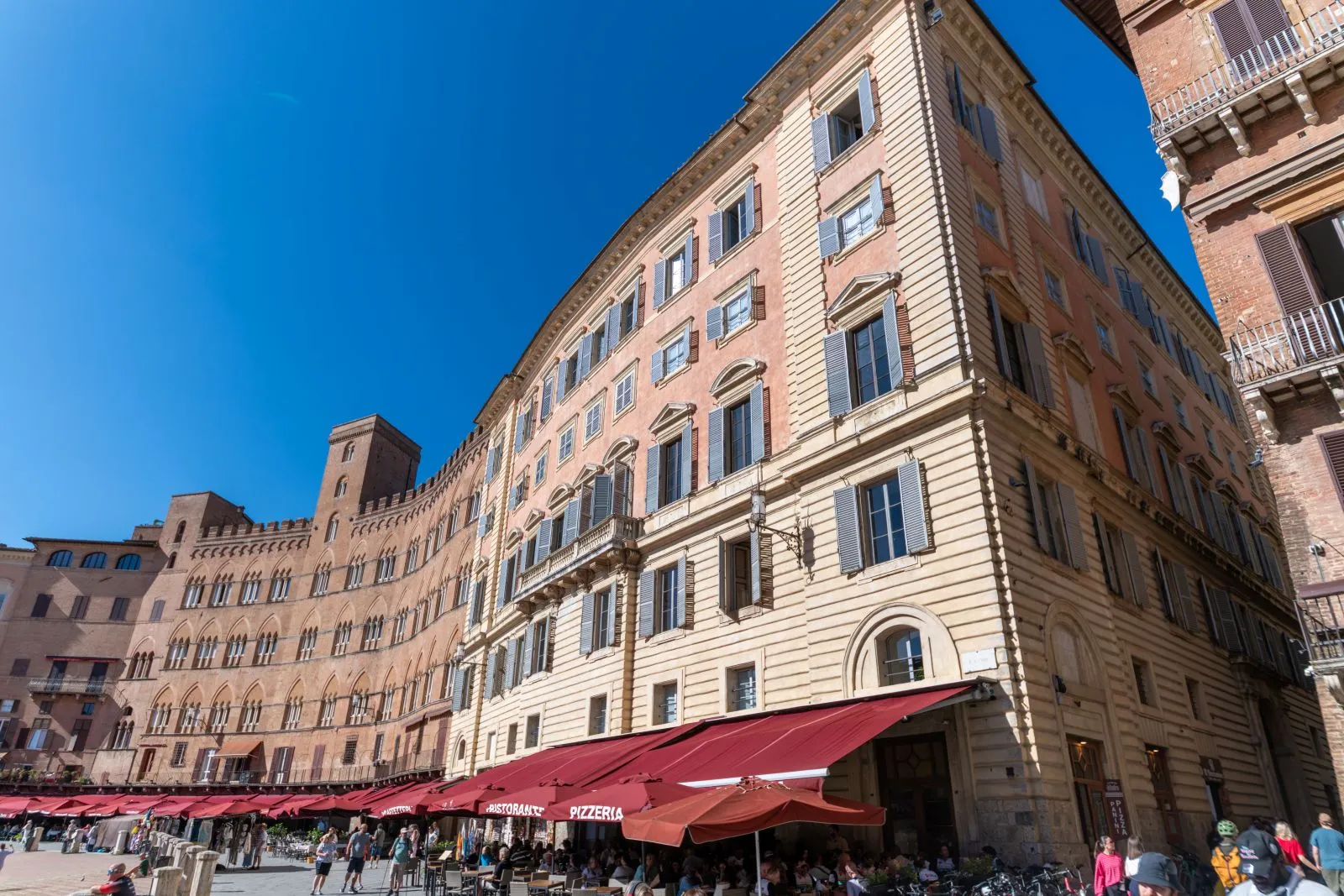
Its origins lie in the Sienese Gothic style and the old Palazzo Marescotti, dating back to the mid-13th century. Over time, the building underwent expansions and transformations, until it became one of the most recognizable presences in the historic center.
From the Piccolomini to the Saracini, between expansions and commissions
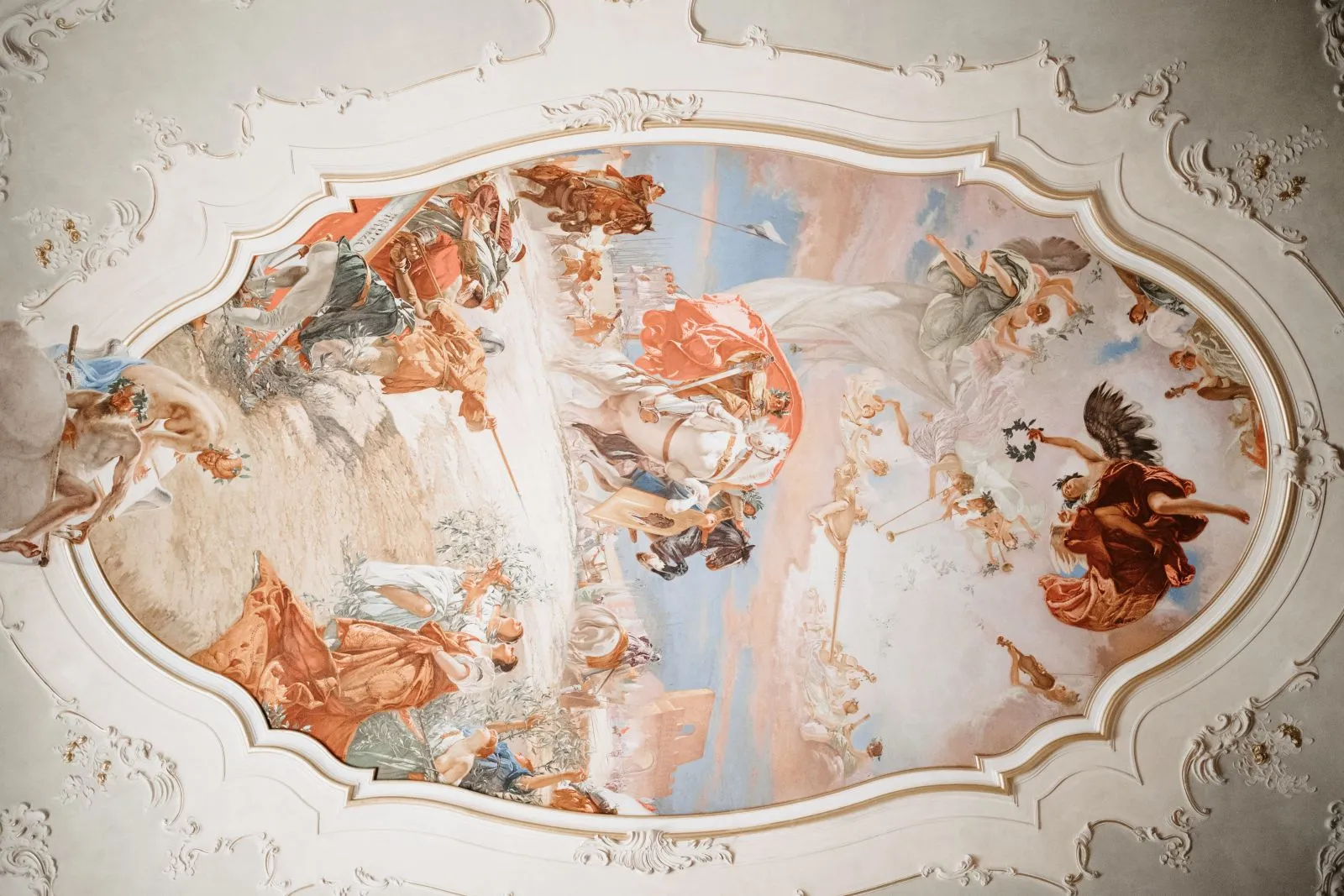
In the early 1500s, the palace was purchased by the Piccolomini del Mandolo, who are responsible for the Raffaelesque decorations of the external loggia, the historiated friezes, and some frescoes still visible today.
In 1770, it passed to the Saracini family, who expanded it again and gathered a large collection of artistic masterpieces. The collection was opened to the public in 1806, becoming a private museum. In the center of the courtyard, an ancient well was placed, overlooking the chapel dedicated to San Galgano.
The birth of the Chigiana Musical Academy
At the end of the 19th century, the palace was inherited by Fabio Chigi, with the obligation to add the name of the Saracini to his own. After his death, the building passed to his nephew Guido Chigi Saracini, a decisive figure for its new cultural life.
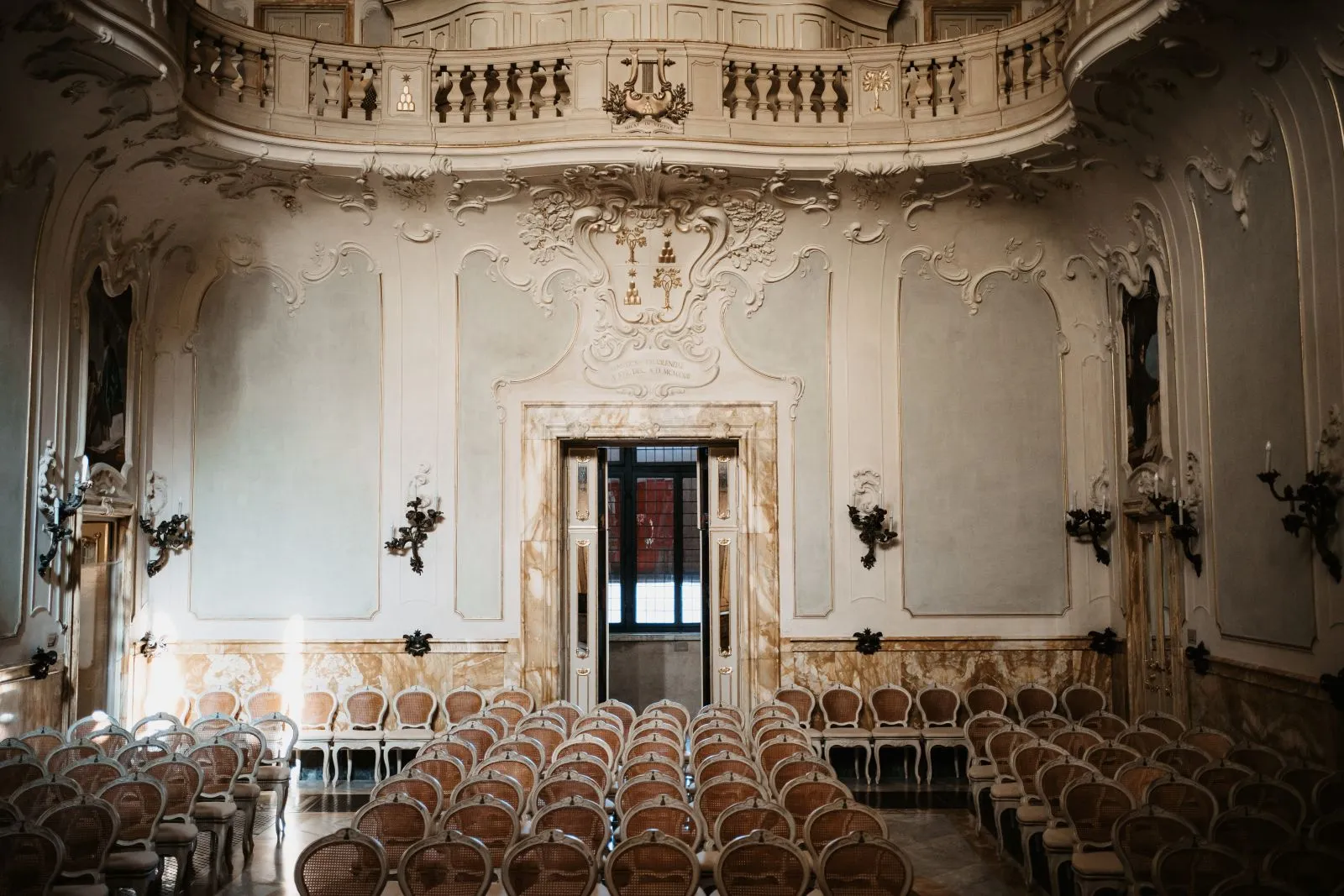
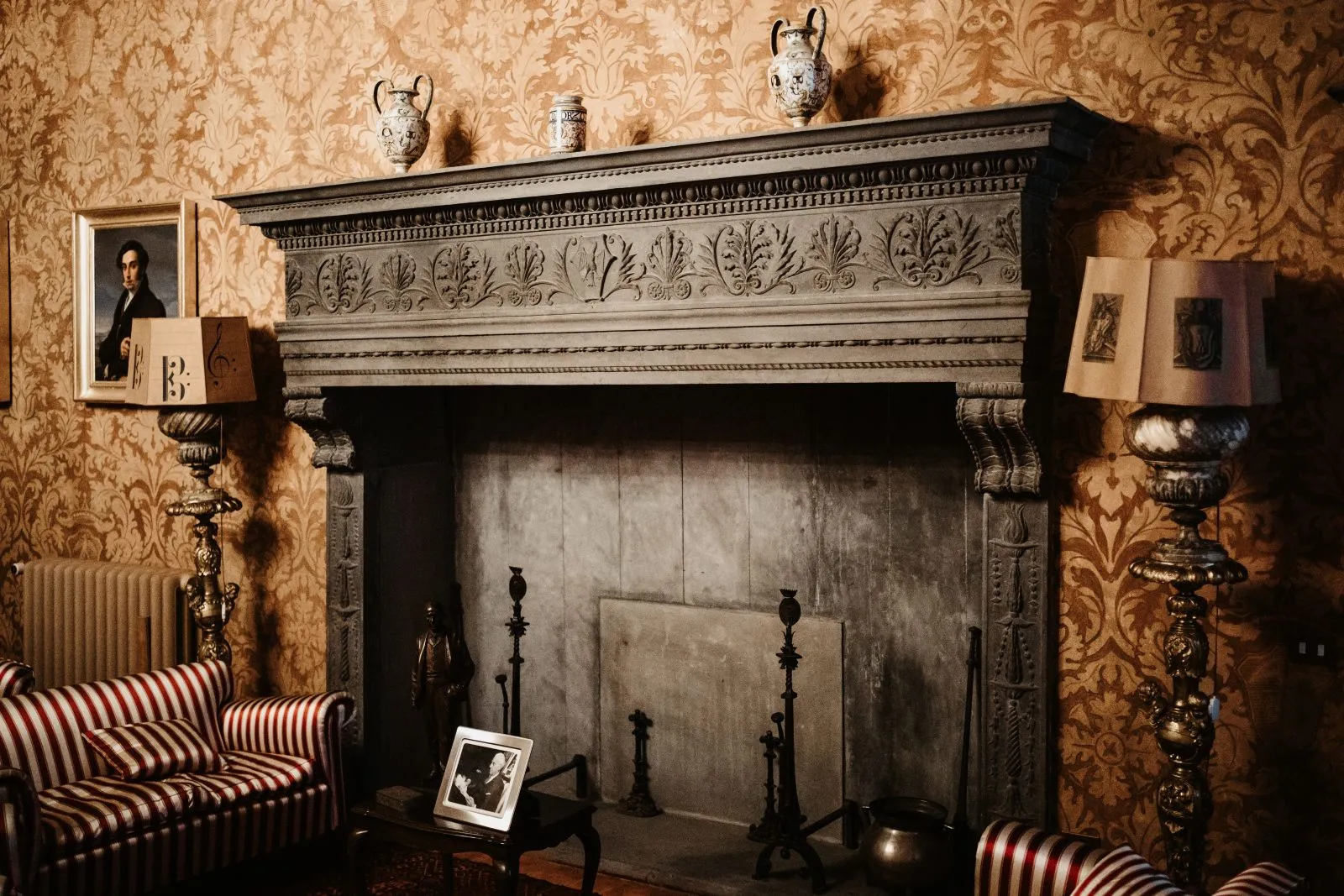
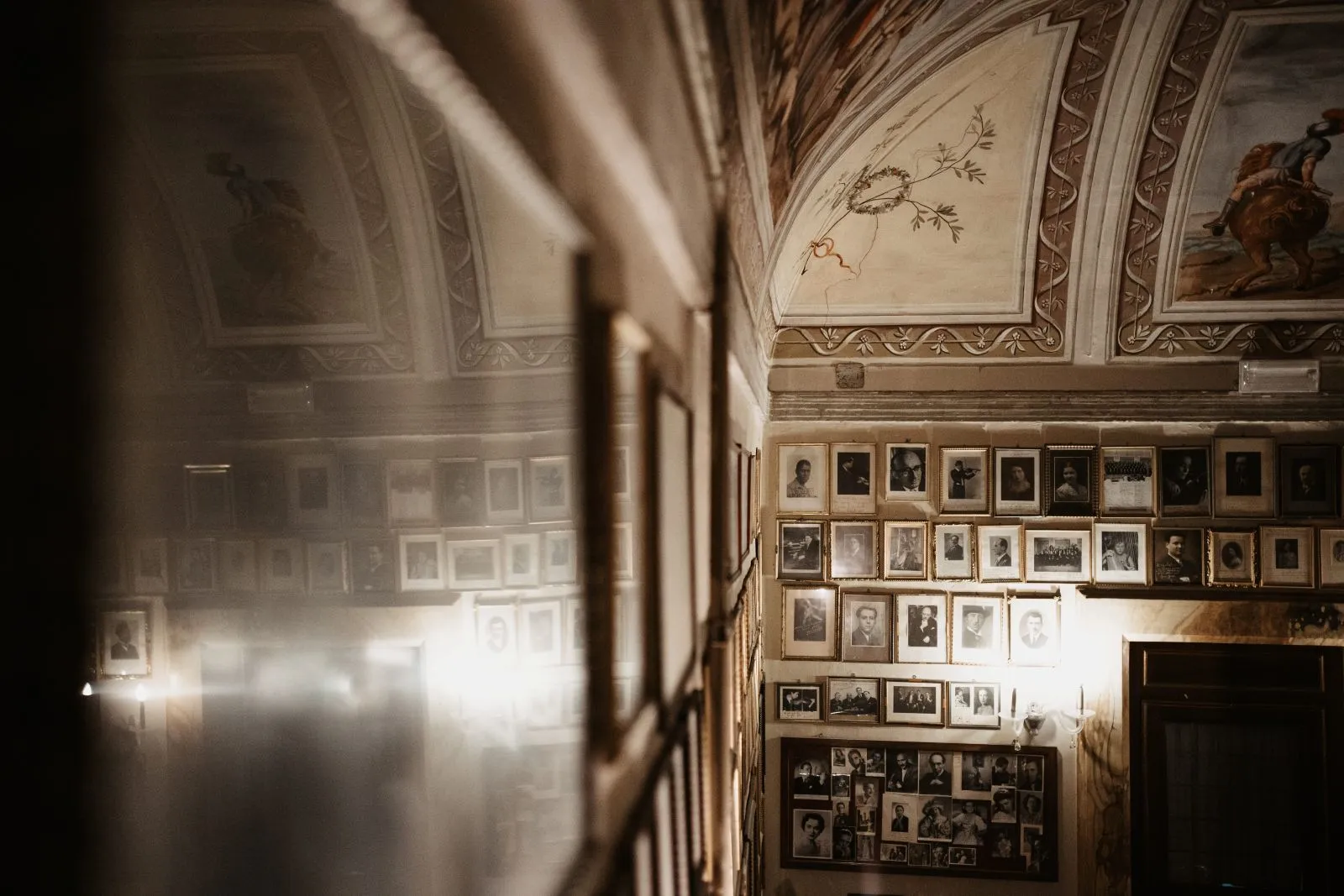
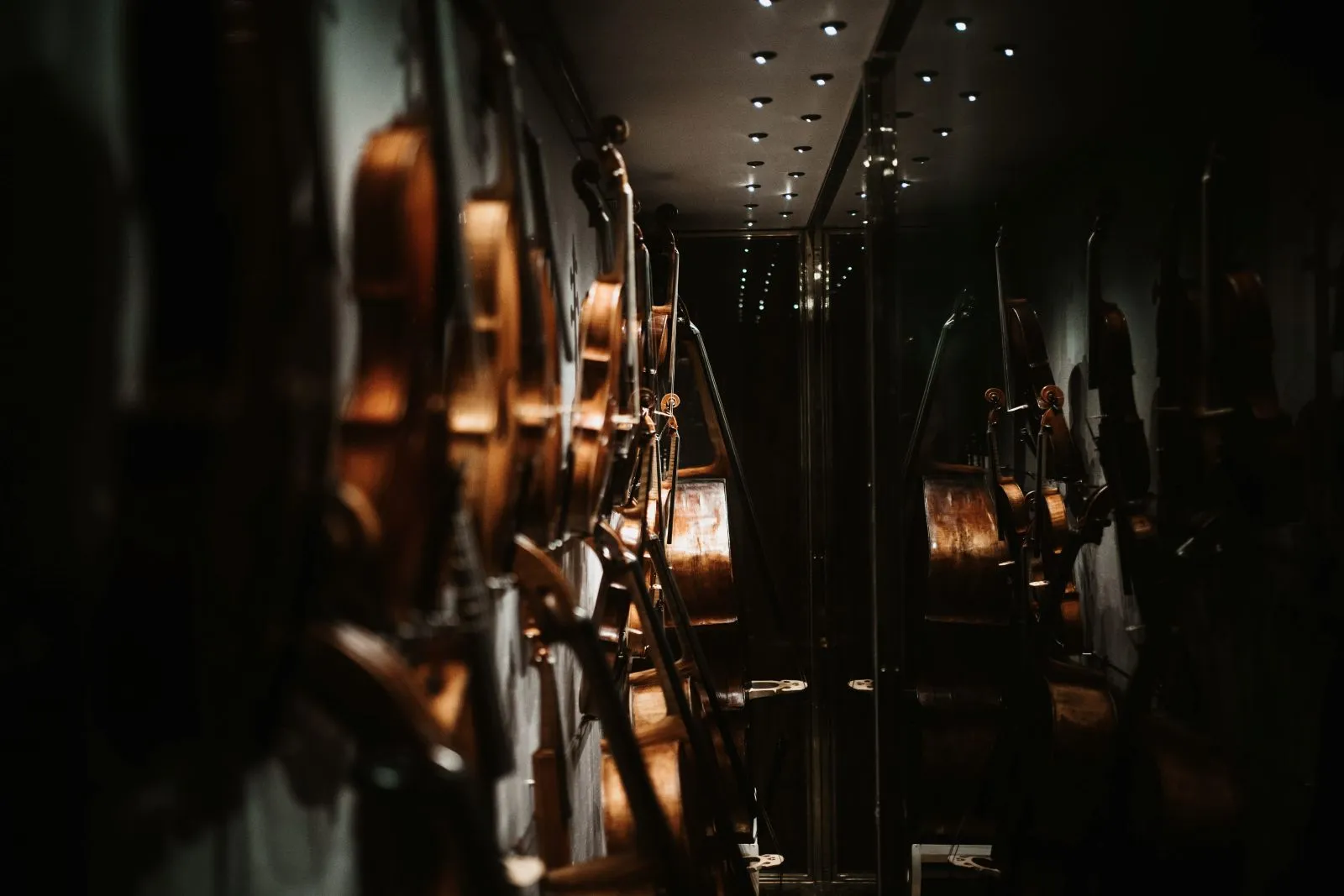
He initiated the restoration of the building, designed the Concert Hall in Venetian 18th-century style, and a small theater. From this vision, in 1932, the Chigiana Musical Academy was born, still linked to the musical identity of the palace today.
Art, library, and internal collections
The internal gallery preserves works by Sienese artists from the 13th to the 20th century. Among these are the Madonna by the Master of Tressa, a Madonna and Two Angels by Matteo di Giovanni, a Pietà del Riccio, and the Mystical Marriage of Saint Catherine of Siena by Beccafumi.
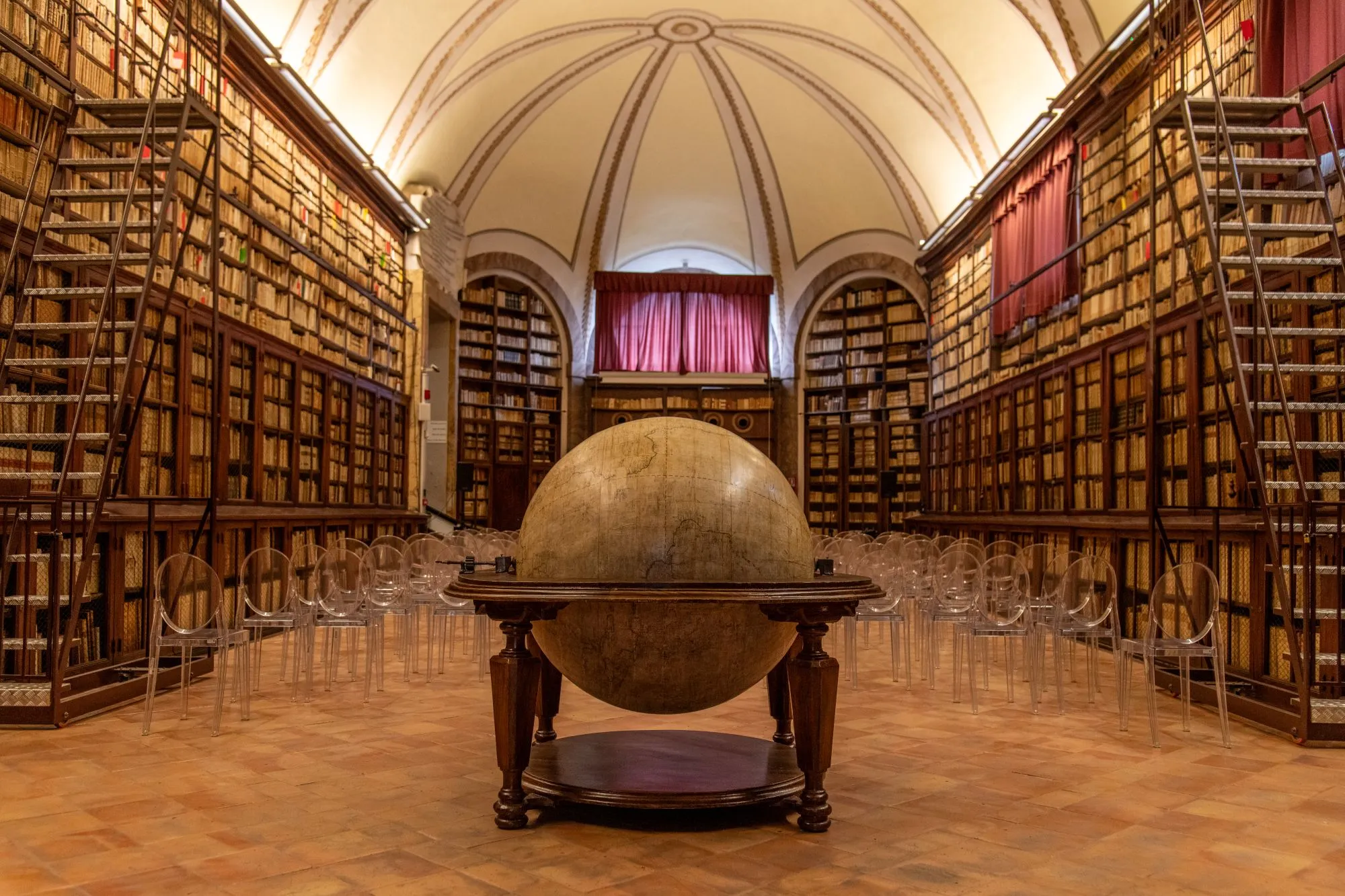
Among the sculptures stands the Discordia by Francesco di Giorgio, while among the maiolica, the plates by the Sienese artist Ferdinando Maria Campani stand out. The palace also houses a library of about 75,000 volumes, organized into various sections.
ChigianArtCafé and visits to Palazzo Chigi Saracini
Since 2018, the courtyard has hosted the ChigianArtCafé, with multimedia installations, works from the Chigi-Saracini collection, and an interactive digital screen dedicated to the history of the Academy and its concerts. The space also hosts performances of MUSICAL APERITIFS LIVE and temporary exhibitions.