Where salt tells the story of the Republic of Siena
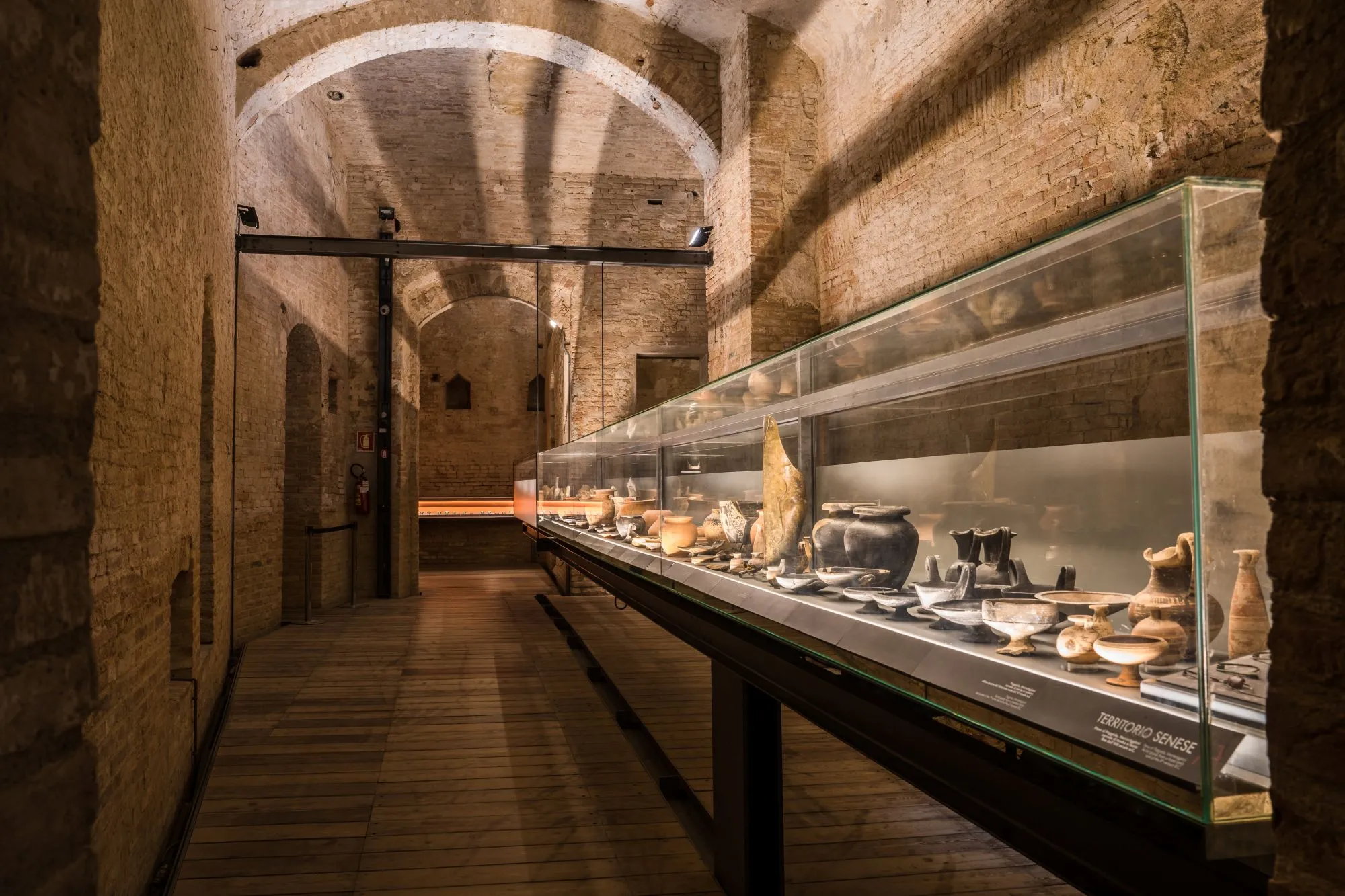
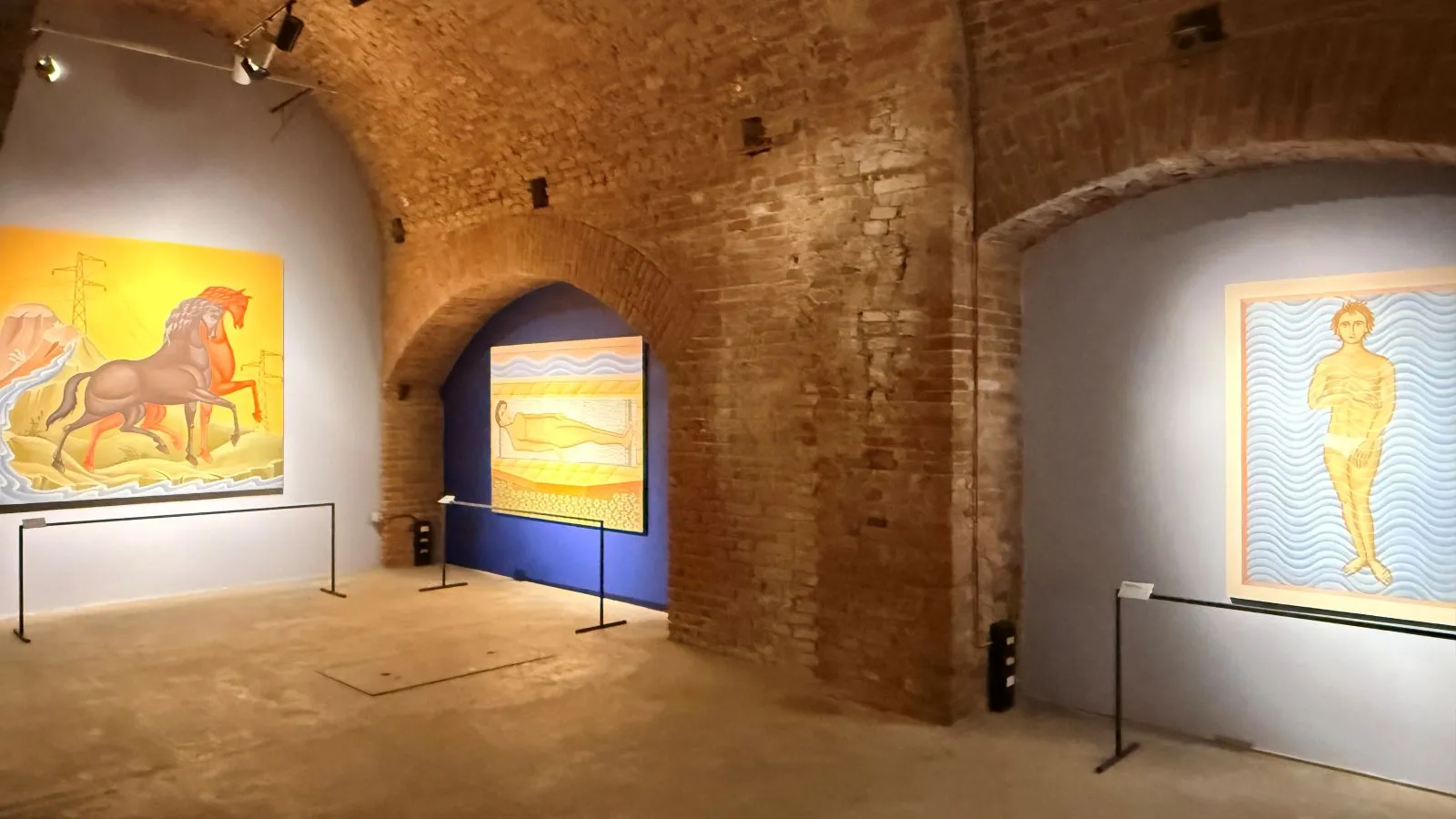
In the underground of the Palazzo Pubblico, among large vaulted ceilings and exposed bricks, the Salt Warehouses tell a story as ancient as it is precious. Dating back to the 14th century, these spaces were the central depot of salt, a strategic good for the Republic of Siena, essential for preserving food and for the tanning industry.
The salt came from the salt pans of Maremma and was managed as a monopoly through the Salt Tax, regulating distribution and taxation. The location beneath the seat of the Government of the Nine was not accidental: controlling essential resources was an integral part of the city's political power.
The architecture of the Salt Warehouses: function and power
The spaces, dry, robust, and devoid of decorations, reflect their original function: to protect and preserve a valuable good. Walking through the large vaults of the Salt Warehouses, one can sense the strength of the past, the echo of political decisions, and the silent breath of the medieval city.
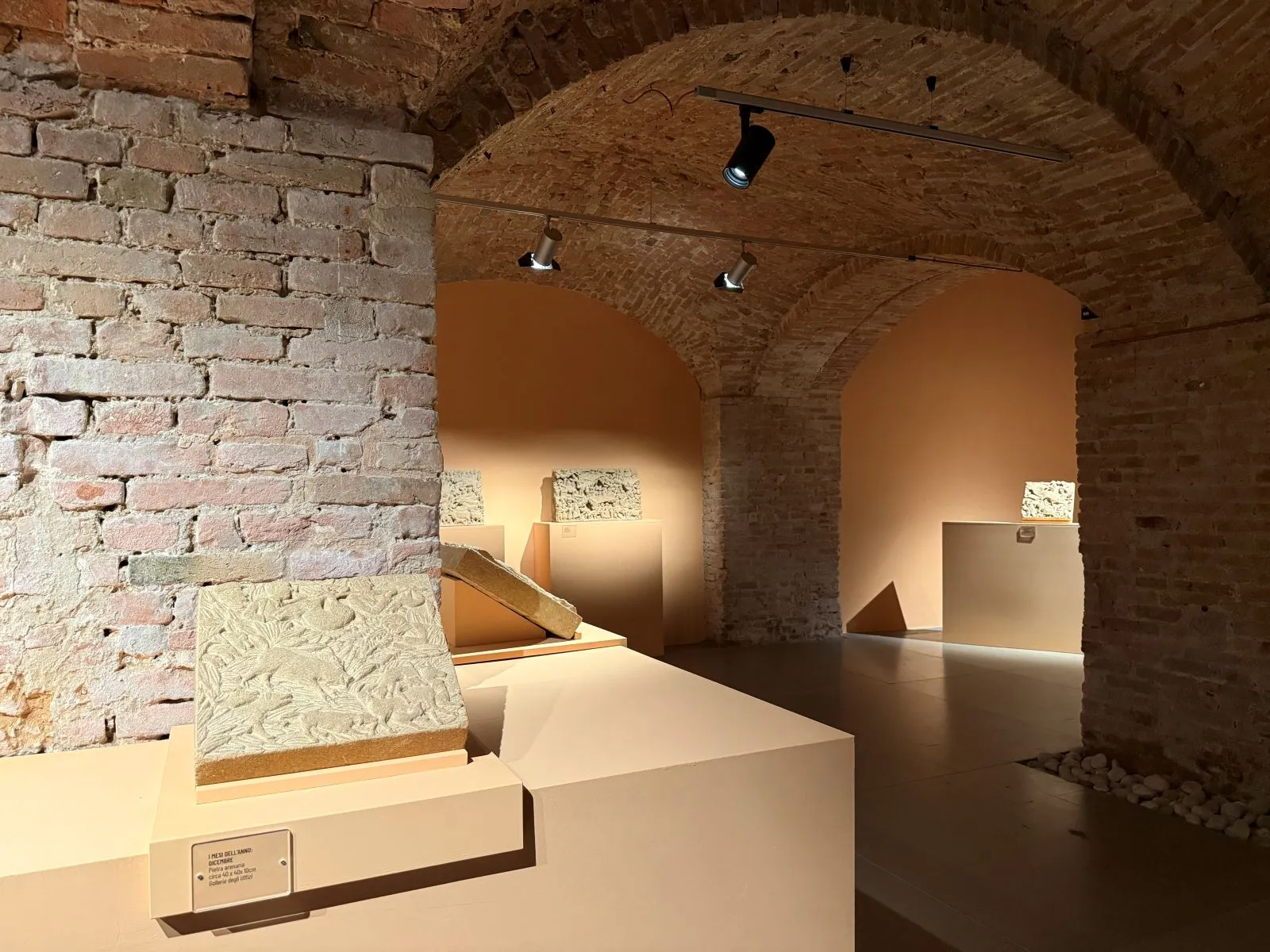
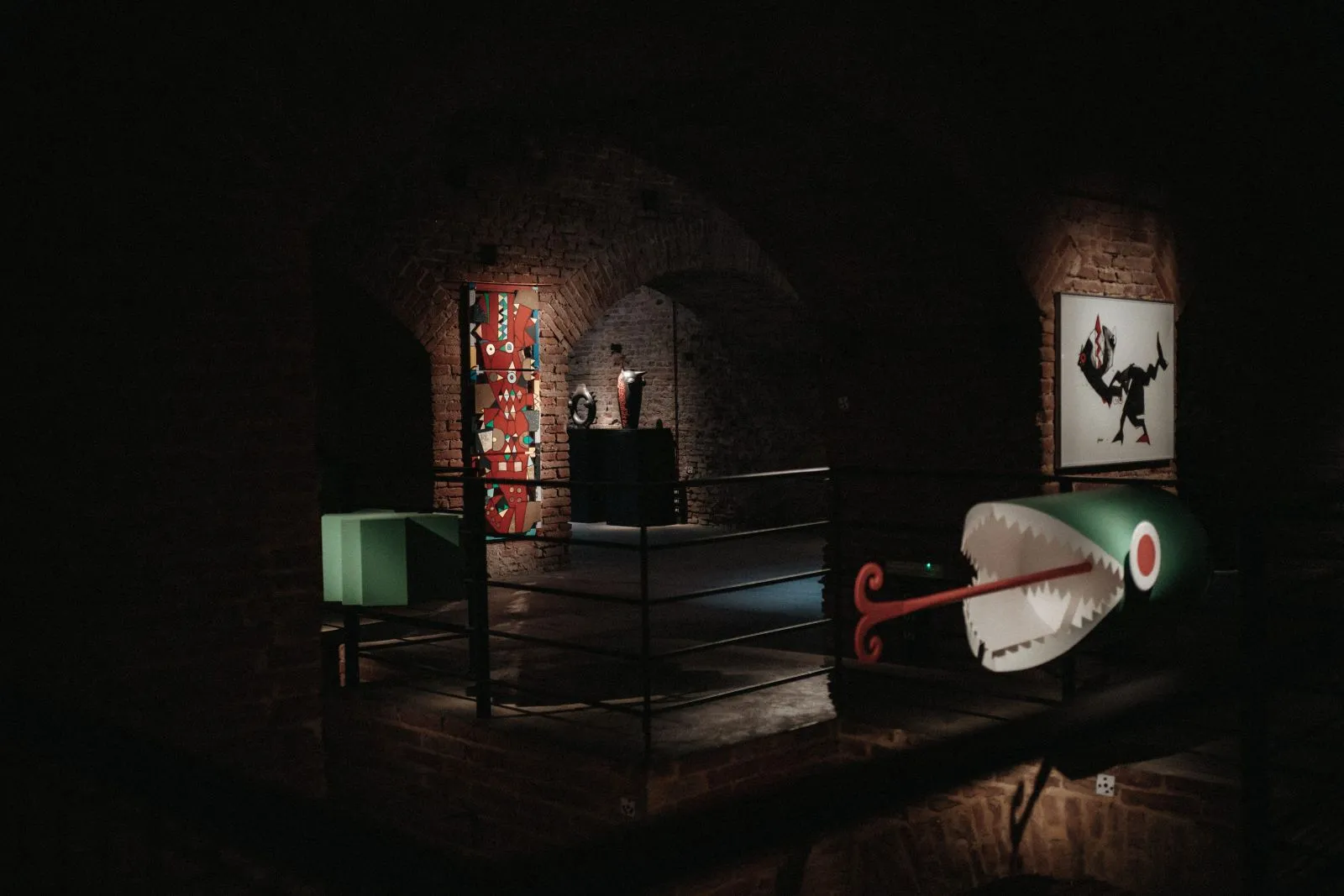
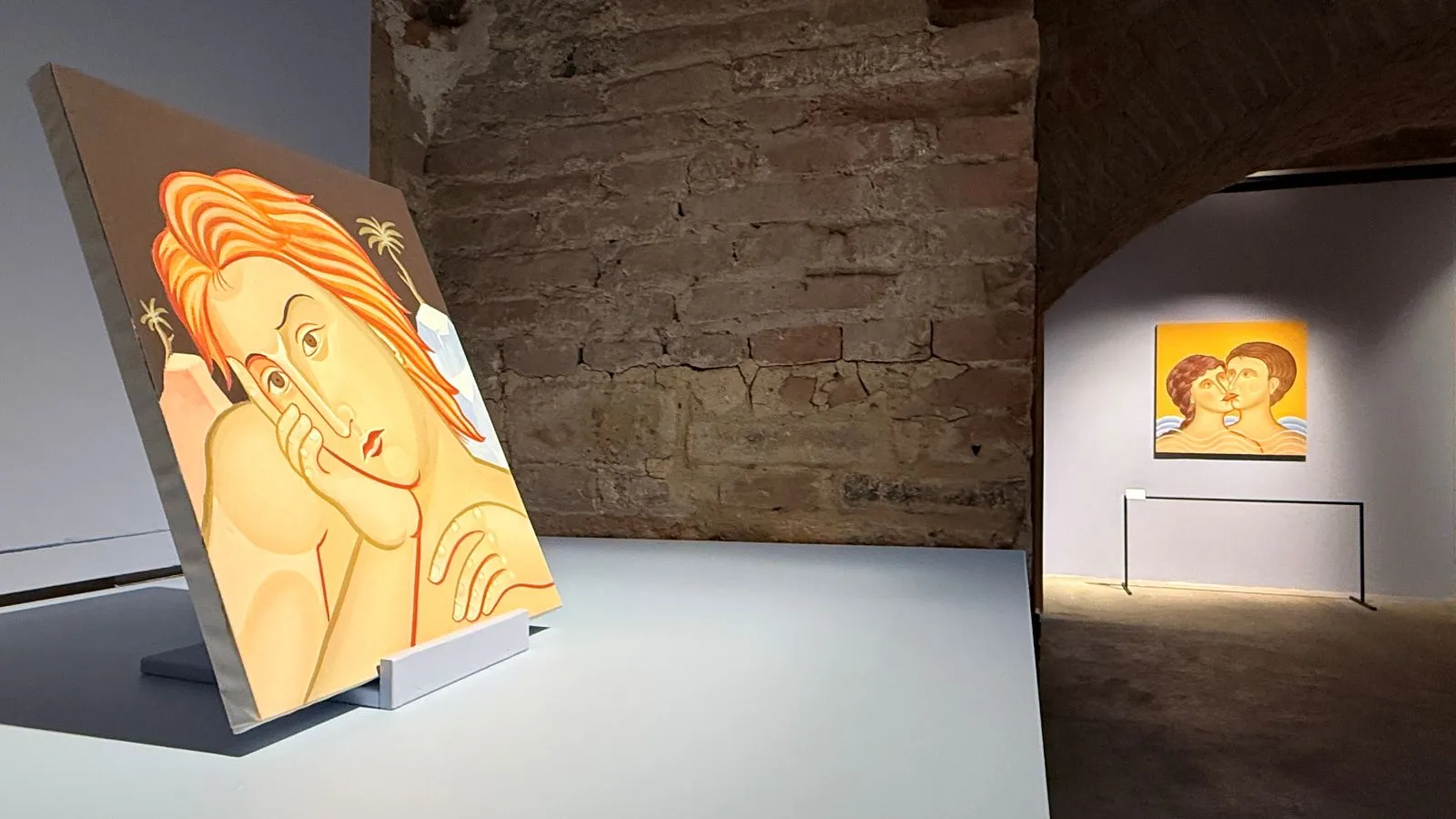
Here, fragments of plaster and preparatory drawings related to the 14th-century decorations of the palace were also studied, research on Guidoriccio by Simone Martini, and sculptures by Giovanni Pisano from the Cathedral. Today, the same spaces host temporary exhibitions, contemporary art projects, and selections from the civic collection.
A visit to the Salt Warehouses, the cozy refuge in the heart of Siena
Access is from the Cortile del Podestà, beneath the majestic Torre del Mangia. The atmosphere is quiet, cool, and intimate, in stark contrast to the frescoed halls of the noble floor and the liveliness of Piazza del Campo. Walking in the Salt Warehouses means immersing oneself in a place where history, architecture, and culture meet in a discreet yet powerful space.
Today, the visit allows one to discover a lesser-known side of the city, a path that intertwines medieval history, political power, and craft tradition, offering the visitor a unique experience, away from the crowds of more touristy routes.