From welcoming pilgrims to the city museum
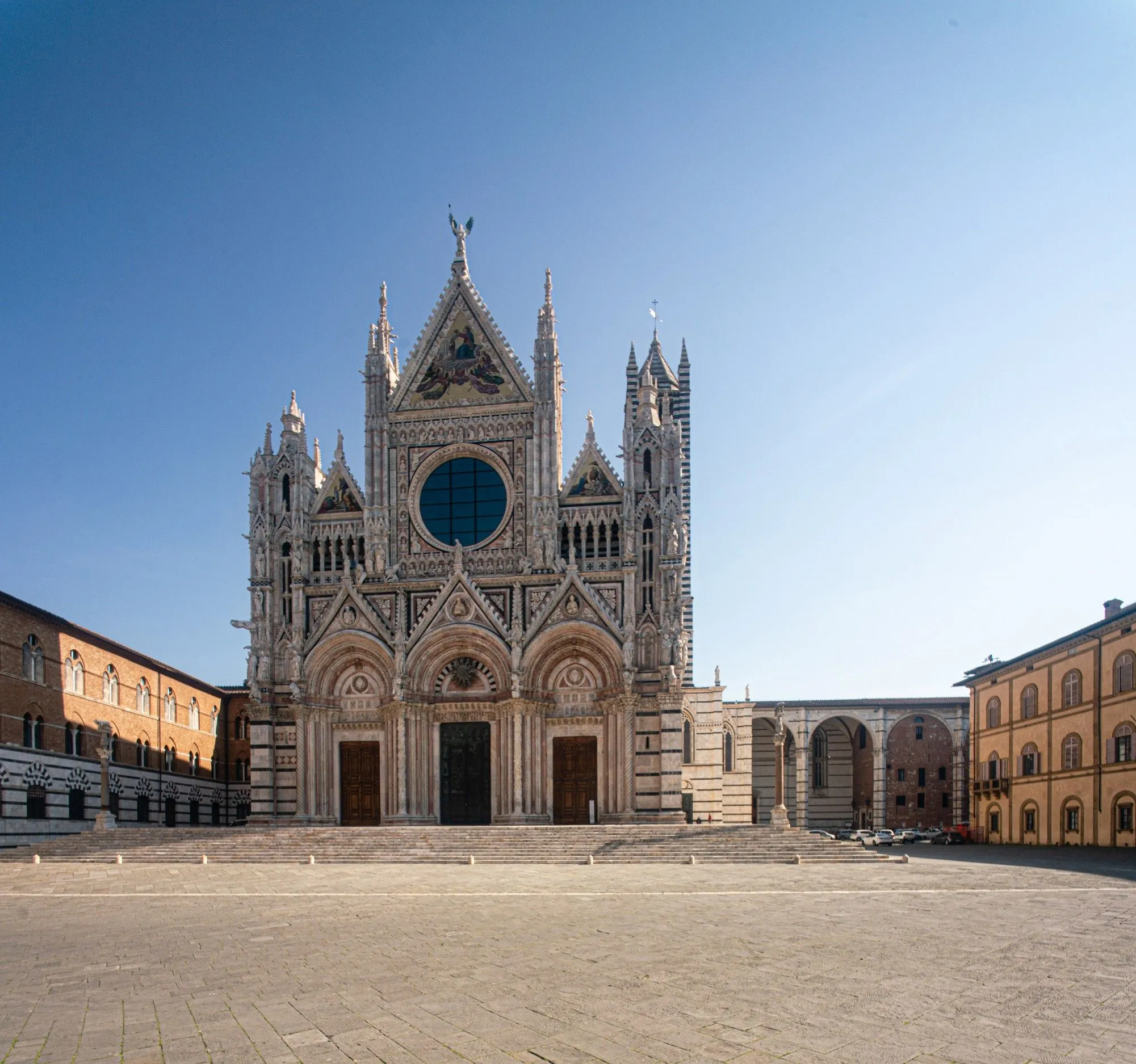
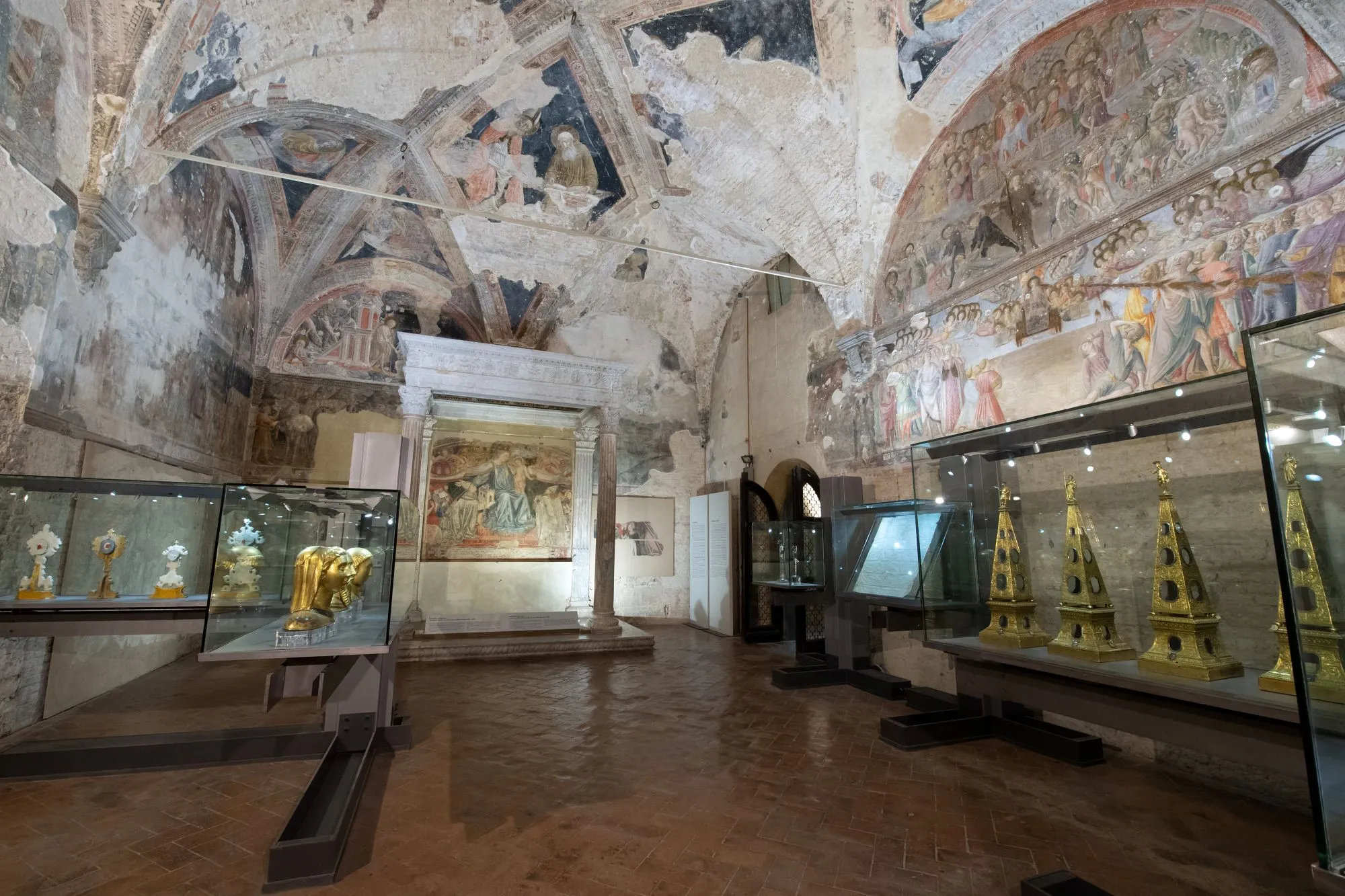
The main entrance, overlooking Piazza Duomo, leads to the most monumental areas of the complex. Here you will find the large halls intended for the reception of pilgrims, the ancient hospital corridors, and the spaces dedicated to assistance and worship, such as the Old Sacristy and the church of the Most Holy Annunciation.
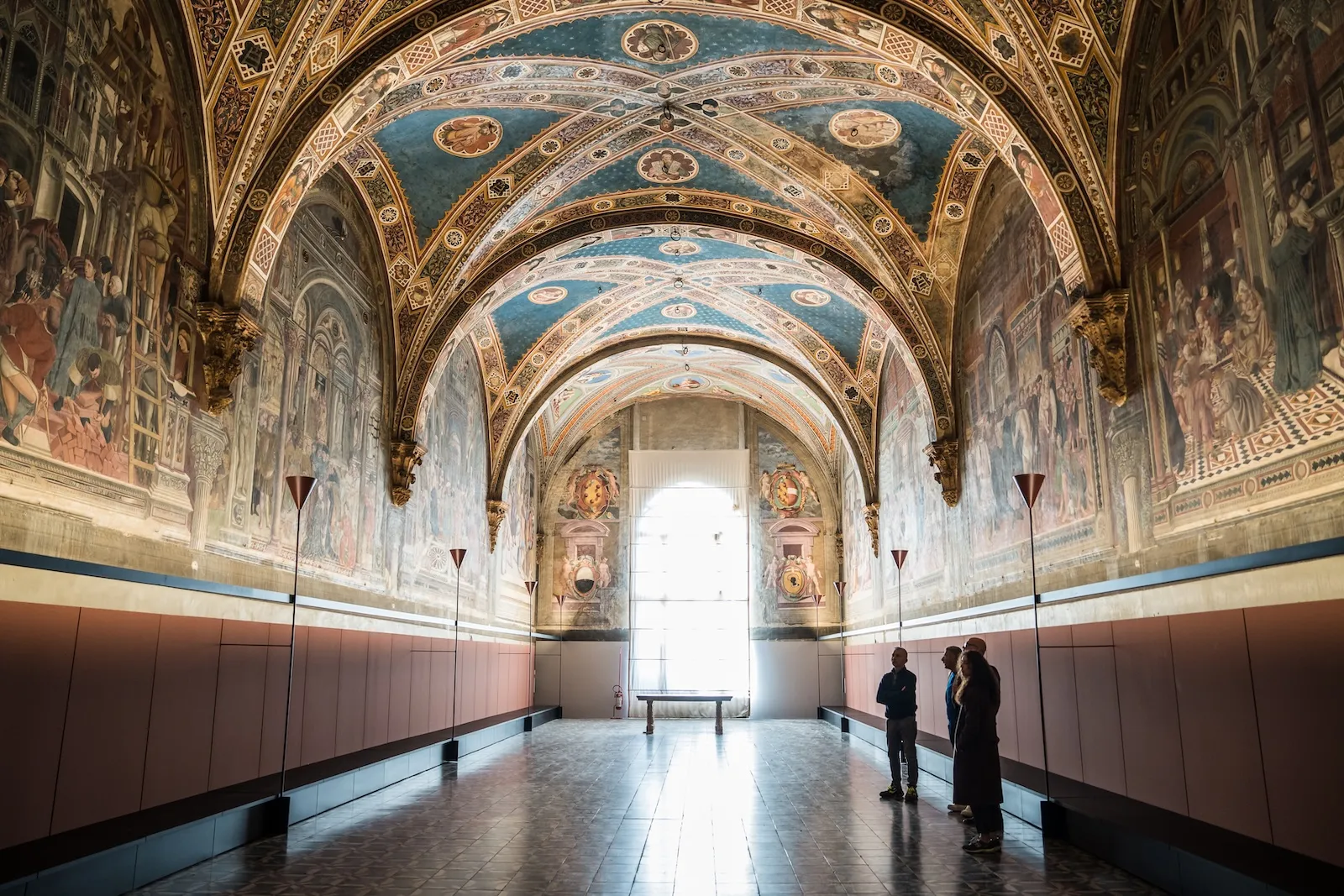
On the same floor is the Male Pilgrim's Hall, where the frescoes narrate the historical and legendary events of hospital life and its protagonists.
Paths, courtyards, and collections
From the small courtyard of the Corticella, the museum paths branch out.
Here you can admire the original marble works of the Fonte Gaia, created in the 15th century by Jacopo della Quercia, accompanied by casts and plasters by Tito Sarrocchi.
Inside is also the historic seat of the brotherhood dedicated to Saint Catherine of the Night, with spaces related to devotion and nighttime assistance for the sick.
Archaeology and underground paths
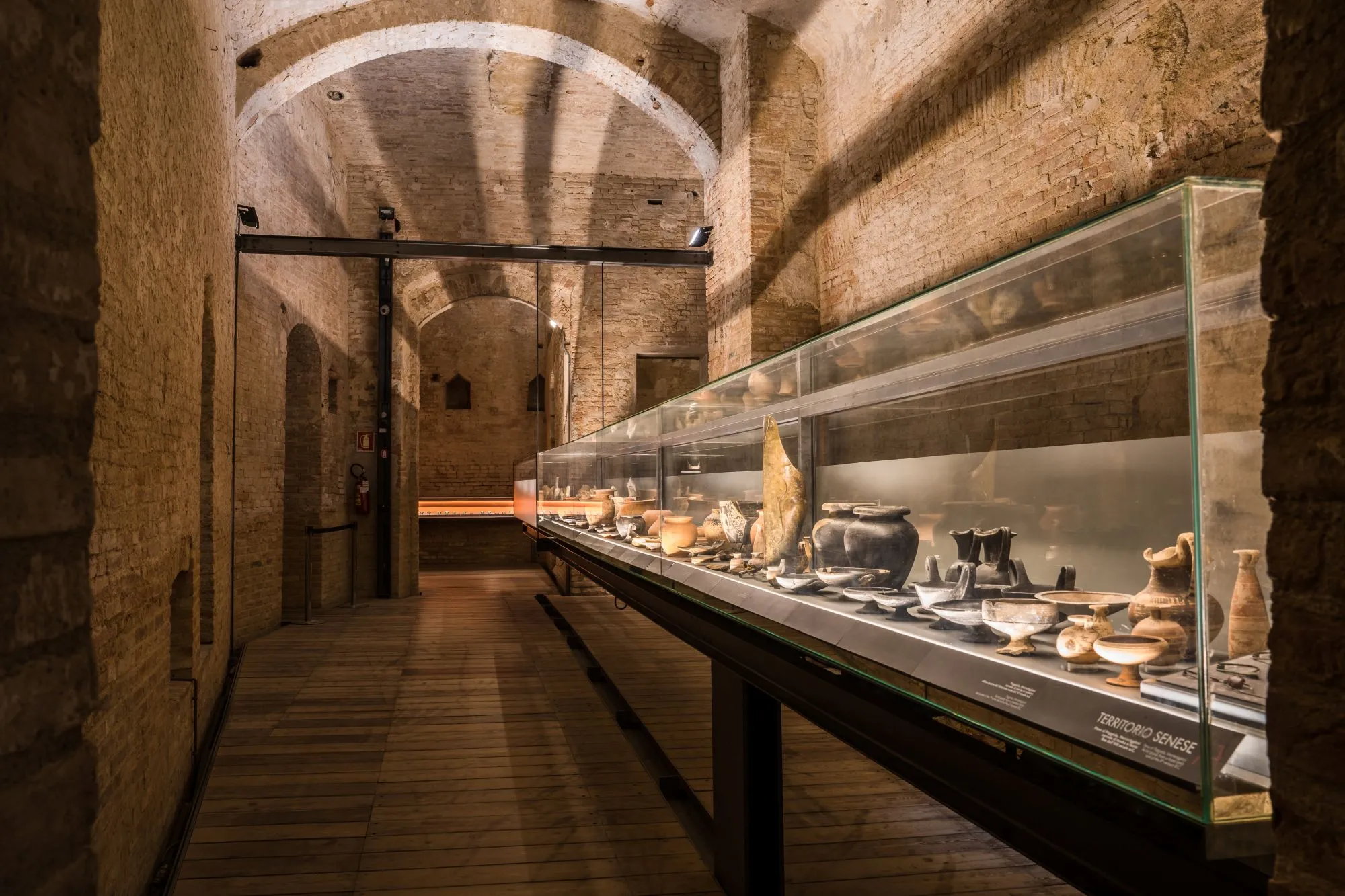
The National Archaeological Museum collects finds from the Sienese territory, also through the path “Siena. Story of the city from its origins to the Middle Ages”, an underground itinerary through tunnels that allows you to discover the city from a different perspective.
Spaces, exhibitions, and events
Within the complex is also the Children's Art Museum, with a path made of artworks, activities, and workshops.
There are temporary exhibitions and events that make each visit different. At certain times of the year, Santa Maria della Scala also hosts important events such as Wine&Siena.
A break with a view of the Duomo
Don't miss the Antico Spedale Cafeteria, the bar located inside the museum complex, with a view of the cathedral. Open during the same hours as the museum, it welcomes visitors for a coffee and also offers some typical sweets from the Sienese tradition, such as ricciarelli and panforte.
A visit to the Museum Complex of Santa Maria della Scala is recommended to understand Siena through its history, its spaces, and its transformations.
Credits:
- Luca Deravignone
- Roberto Testi