When History Hurts
There are places that do not seek to please. That do not promise beauty or comfort. That instead ask for the courage to look. The Museum of Torture in Siena, just a few steps from Piazza del Campo, is one of these: an uncomfortable, necessary place, profoundly human in the bitterest sense of the term.
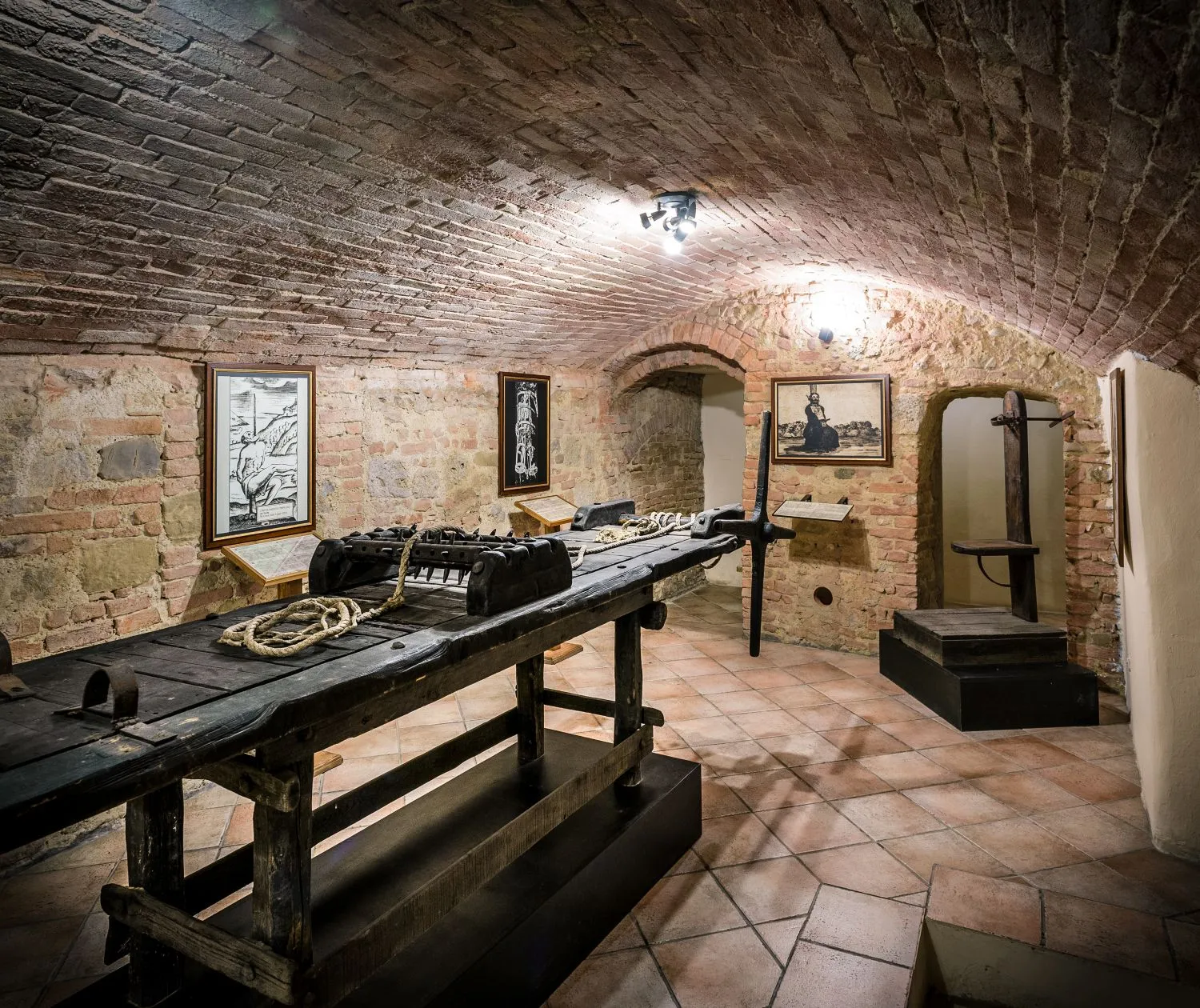
Born in the 1980s as a traveling exhibition promoted by associations and collectors, the museum is now a permanent exhibition dedicated to the history of torture, corporal punishment, and criminal justice in Europe. Not a horror show, but a historical and moral testimony of what man has been able to inflict on other men in the name of law, faith, and power.
What It Tells
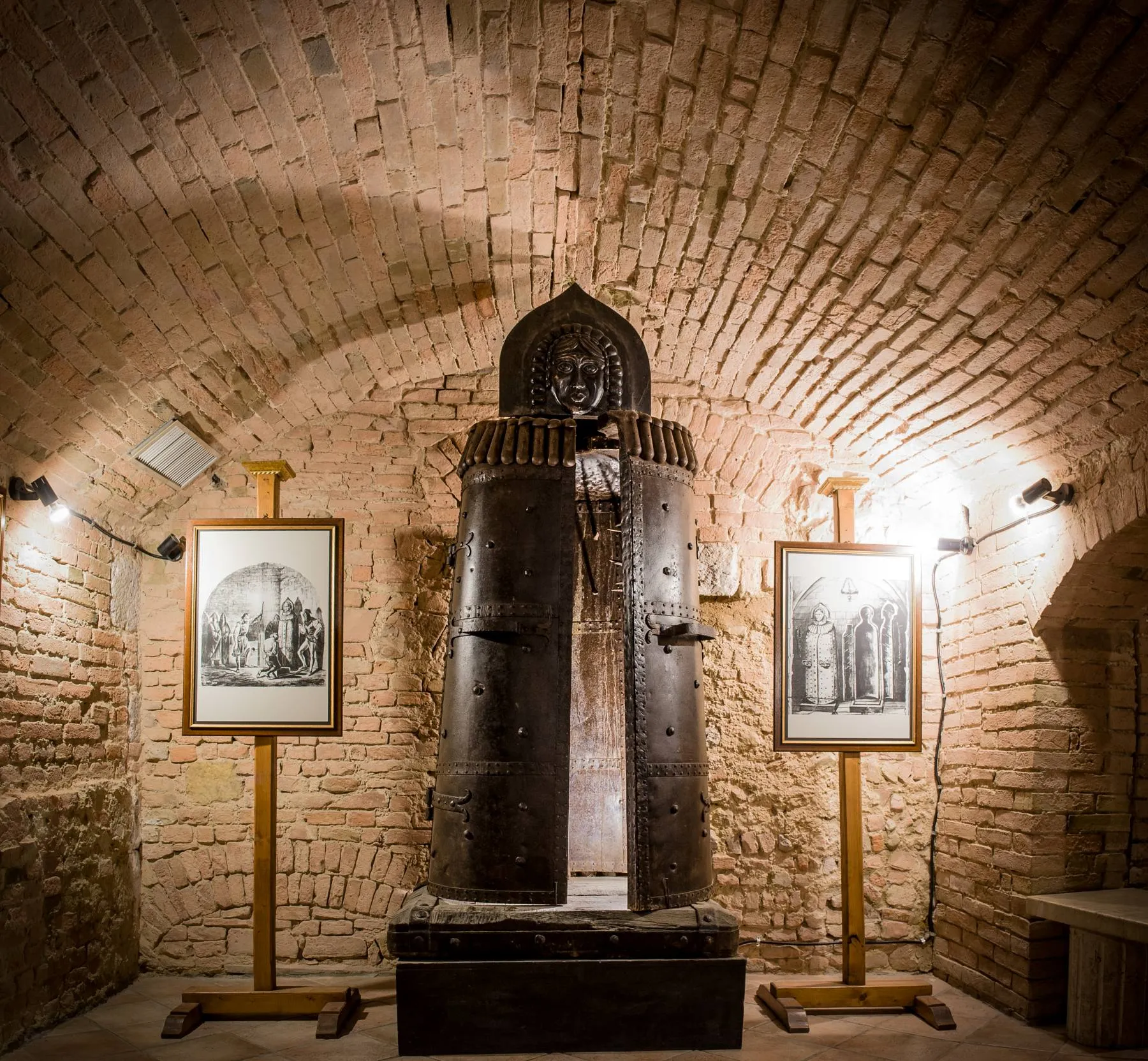
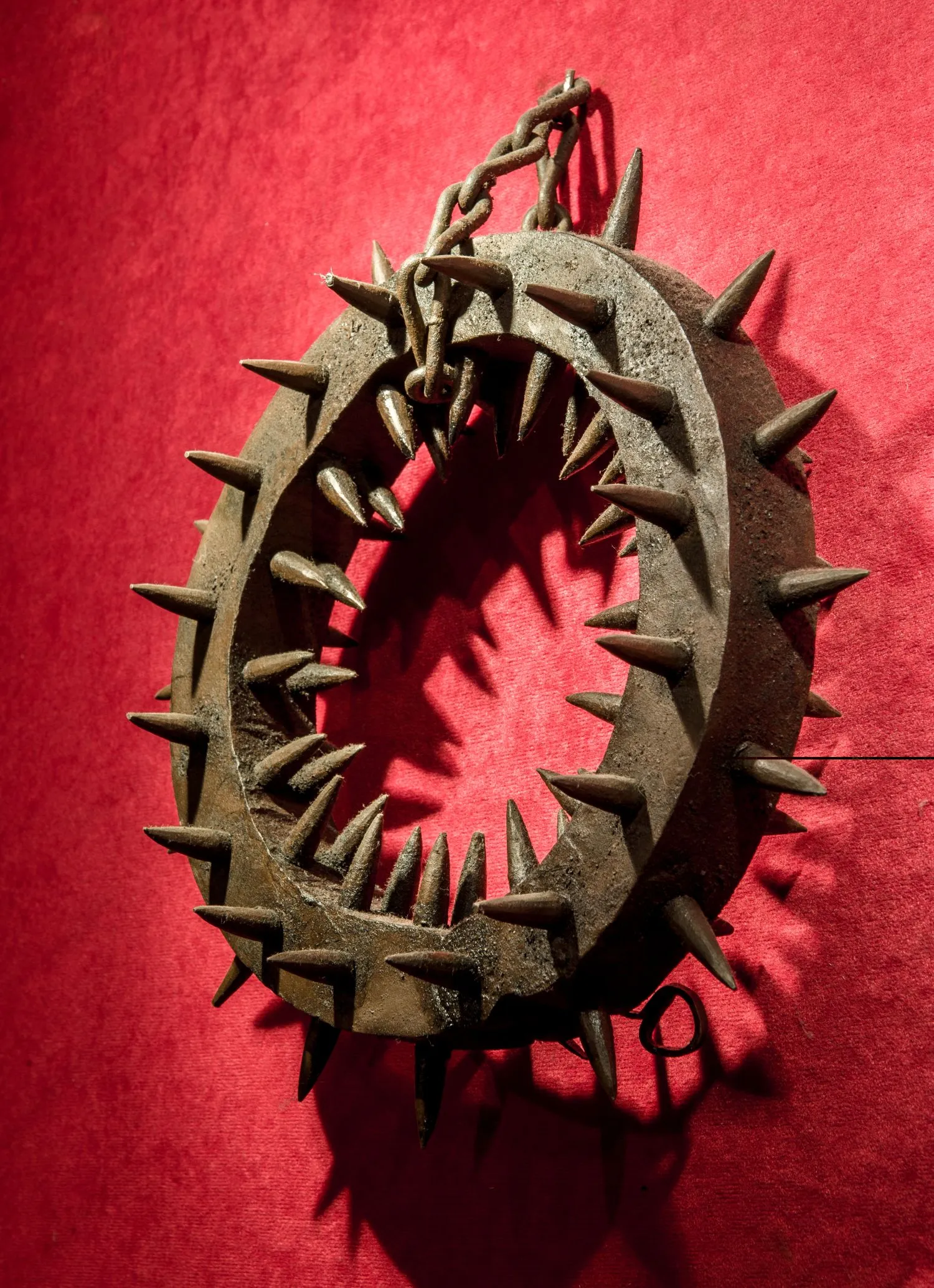
The collection includes about 100 pieces of original and reconstructed instruments, each accompanied by explanatory panels, illustrations, and historical descriptions. No theatrical effects, no macabre exhibitionism: just objects, context, and the silent question that each of them poses to those who look at them.
The displayed instruments document the practices of punishment, interrogation, and condemnation used over the centuries throughout Europe, offering a historical mirror of past judicial institutions. A past that, in many cases, is not so distant after all.
Three Objectives, One Direction
Document
The first objective of the museum is to document: to show how these instruments were used, in what context, with what logic. The history of torture is the history of legal systems, religious beliefs, and power structures. Understanding it means understanding much of what we have been.
Reflect
The second objective is to stimulate ethical reflection: to invite visitors to confront the inflicted suffering, with the fragility of human rights in the past, and, as the museum itself emphasizes, also in the present. Because torture is not just a closed chapter: it is a permanent risk, every time power forgets the value of the person.
Educate Without Glorifying
The third objective is perhaps the most delicate: to educate without glorifying. The museum does not celebrate cruelty, it does not display it to shock. It condemns clearly, and invites visitors to do the same. A path that requires maturity, but that returns awareness.
Come Visit
The Museum of Torture is not an easy visit. But it is a visit that is worth it, for anyone who truly wants to understand the history of man and the price that human dignity has paid over the centuries.
Historic center of Siena, a short distance from Piazza del Campo.
Credits: Museum of Torture