The "judges of nature"
There is a building in Siena, in Piazzetta Silvio Gigli, that holds something rare: the authentic wonder of those who look at the natural world with open eyes and a curious mind. It is the Natural History Museum of the Academy of Fisiocritici, one of those places you don't expect and won't forget.
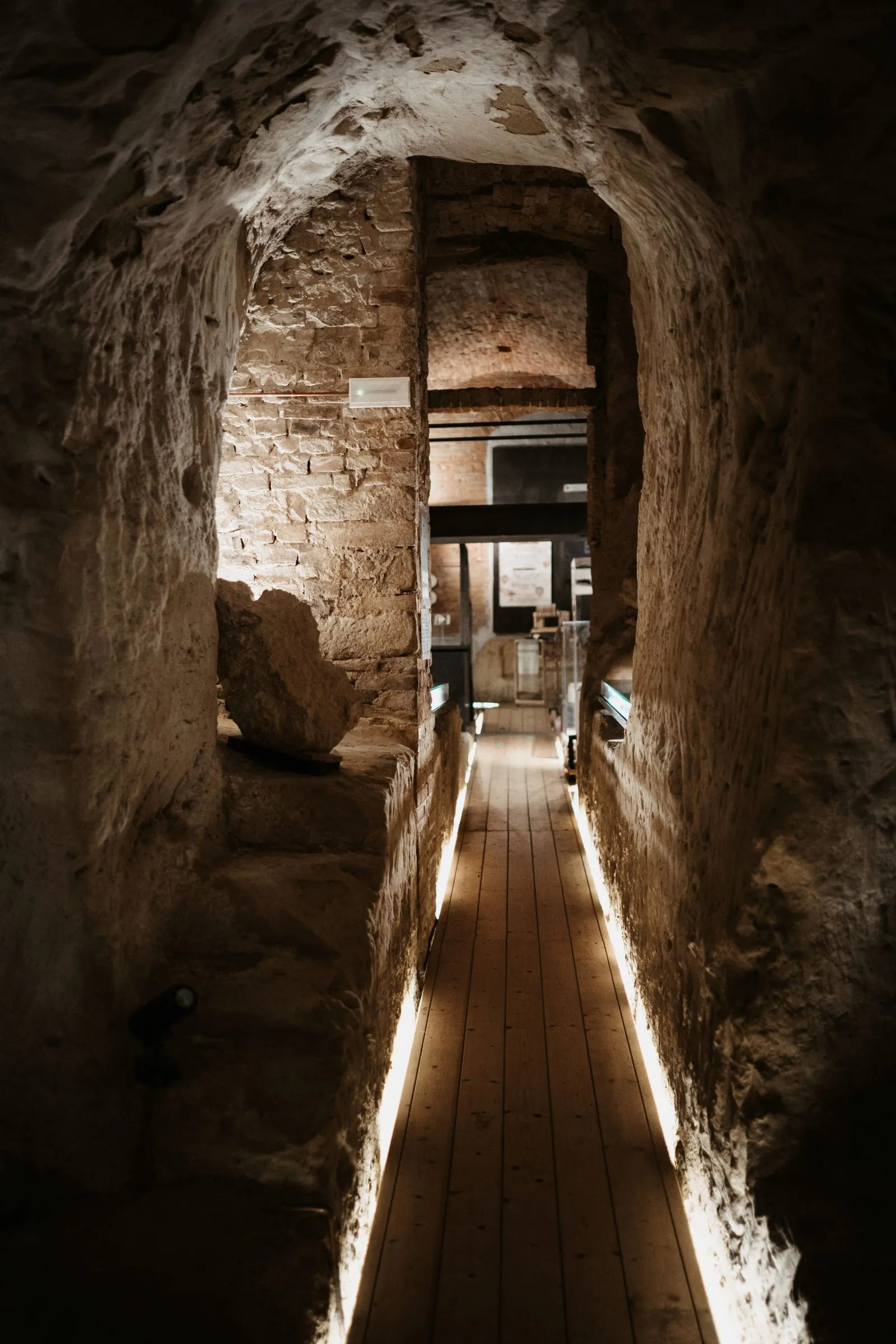
Since 1814, it has been located in the ancient former convent of Santa Mustiola, developed around a central courtyard on two floors, a basement, and an attic. The museum is part of the Academy of Fisiocritici, an institution founded in 1691 by scholars who gathered to seek the truth of natural phenomena through experimental practice. The name says it all: "judges of nature", those who observe, question, and marvel.
The collections
Four sections, one universe
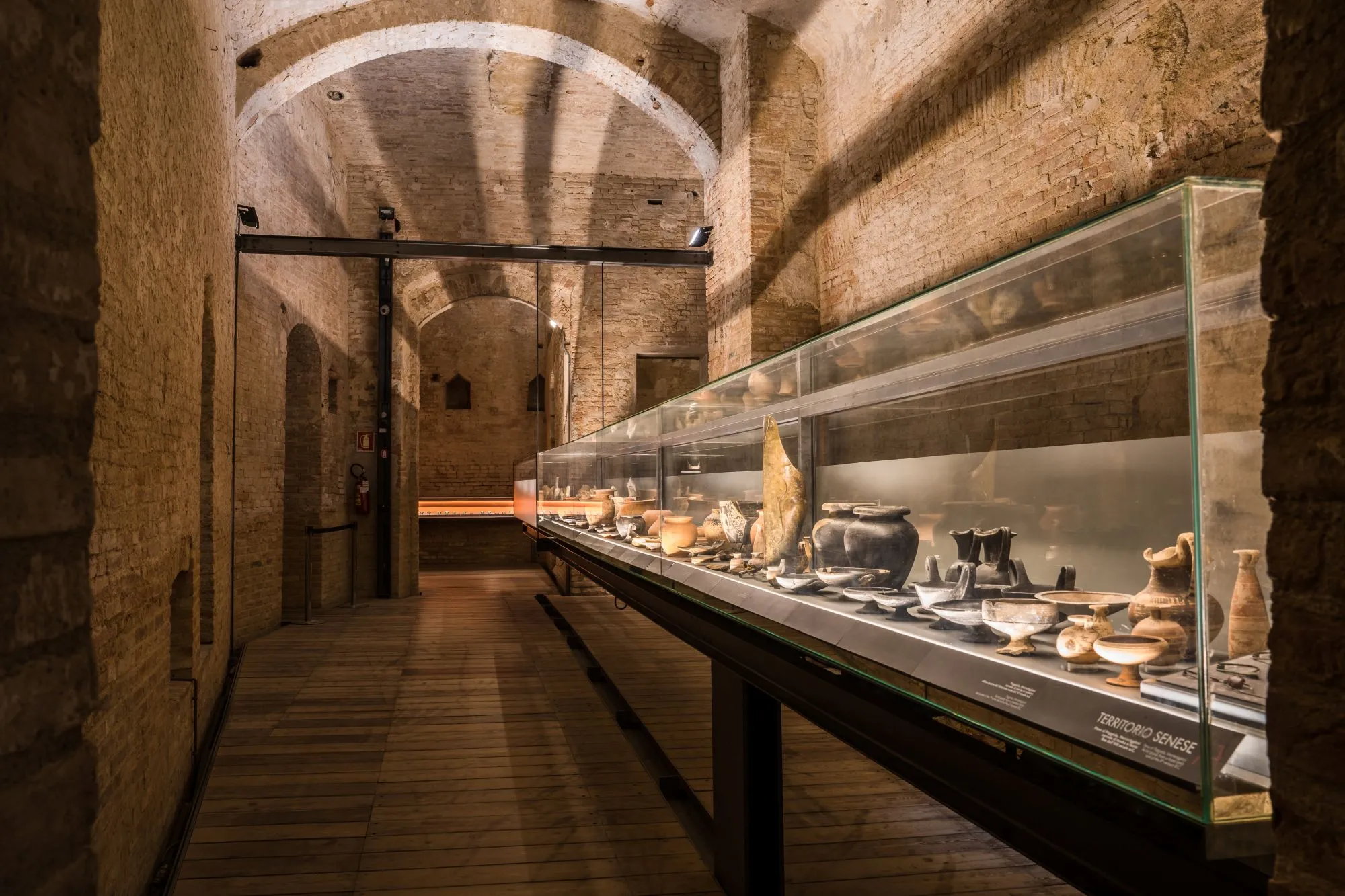
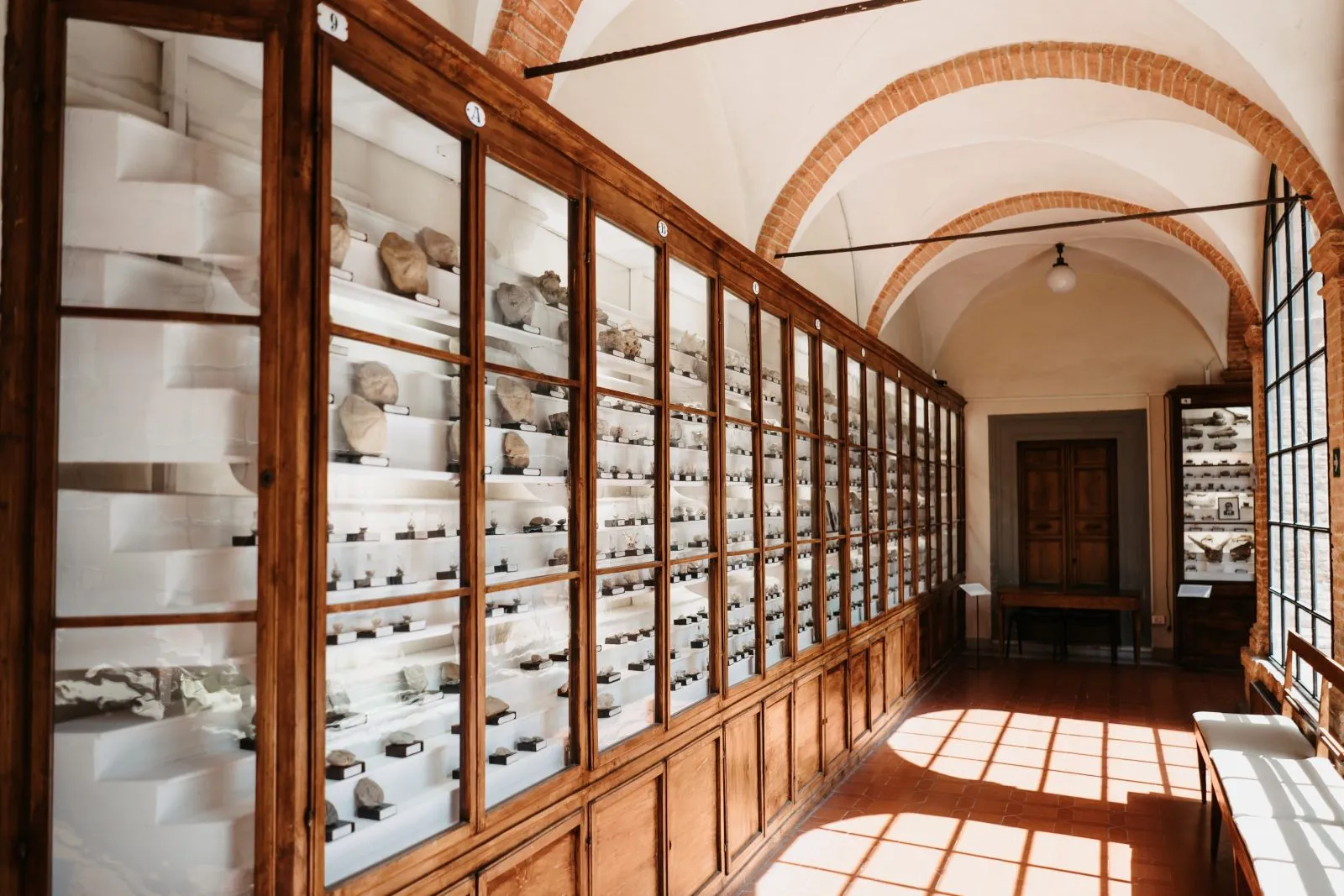
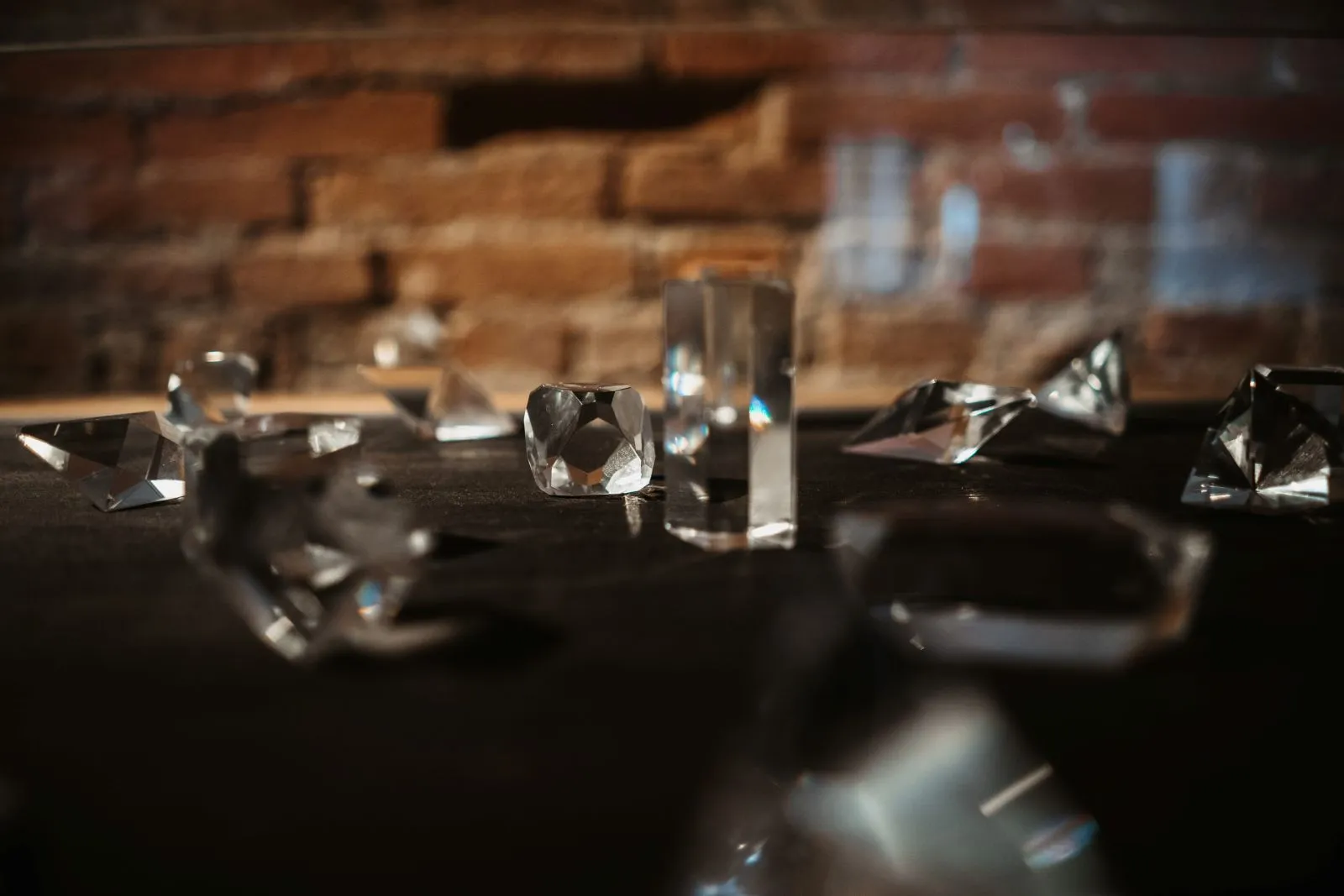
The museum is divided into four sections: geological, zoological, anatomical, and botanical. The original nineteenth-century exhibition is largely preserved, with specimens from all over the world, many of which concern rarities and endangered species.
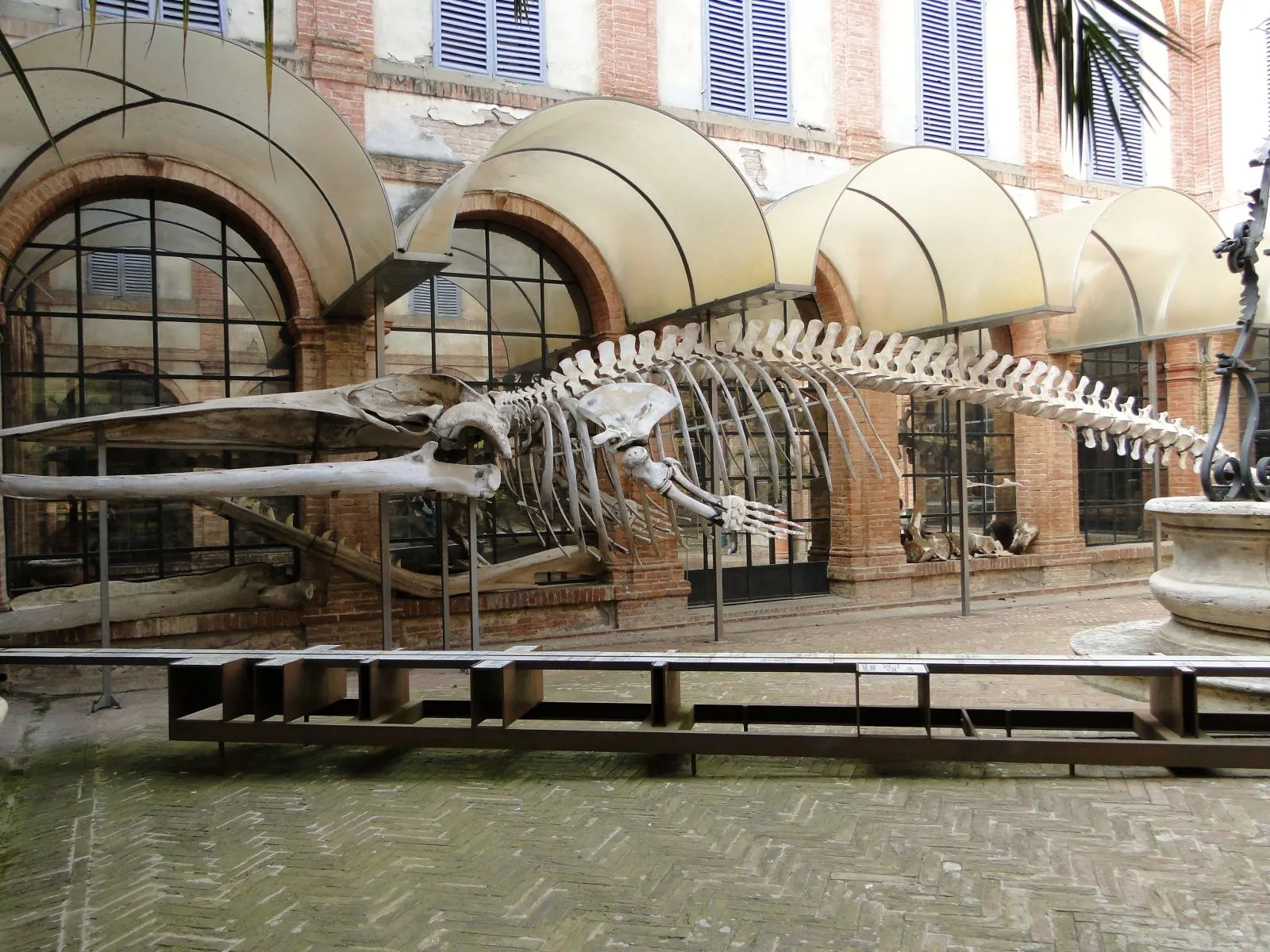
Dominating the imagination is the museum's emblem: the 15-meter-long whale skeleton. Seeing it up close is something that stays with you.
The special collections
Among the most extraordinary collections: the "Paolo Mascagni" collection, with anatomical preparations made with the injection of metallic mercury into lymphatic vessels, of unsettling precision and beauty. The "Francesco Valenti-Serini" collection with terracotta models of mushrooms and a herbarium of lichens. The "Francesco Spirito" collection with preparations treated with petrification process. And finally, the Siena meteorite: a swarm that fell in 1794 in the Sienese countryside, a silent testimony of a cosmic event.
The sundial and the vacuum machine
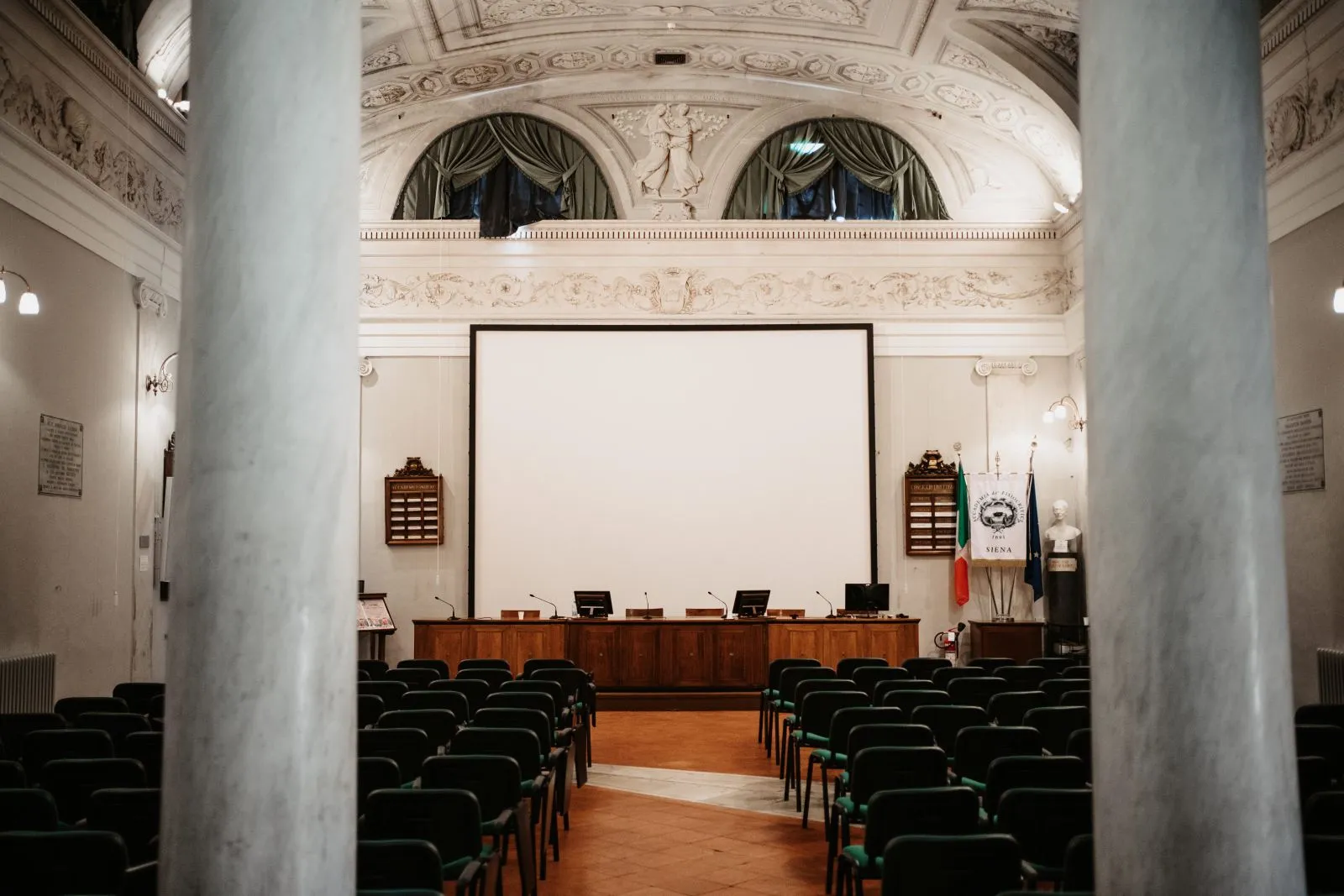
In 1848, a camera obscura sundial was built on the floor of the Aula Magna: a hole in the wall captured a sunbeam that illuminated a line on the floor, indicating local noon. Blocked in 1966, the hole was reactivated in 2002 with an artificial light that simulates solar motion. A simple and poetic mechanism, reminding us how science can also marvel at the most ordinary things.
Often, experiments with the vacuum machine are organized in the museum, a reconstruction of the pneumatic pump built by the Fisiocritici in the seventeenth century to demonstrate the existence of a vacuum. An experiment that still amazes, both young and old.
Come and discover it
The museum is perfect for visits with children: educational workshops, creative activities, and an atmosphere that invites discovery make every visit an adventure. During the Siena Awards, it also hosts temporary exhibitions of great interest.
Piazzetta Silvio Gigli 2, Siena, near the Botanical Garden.