History and collection of the museum
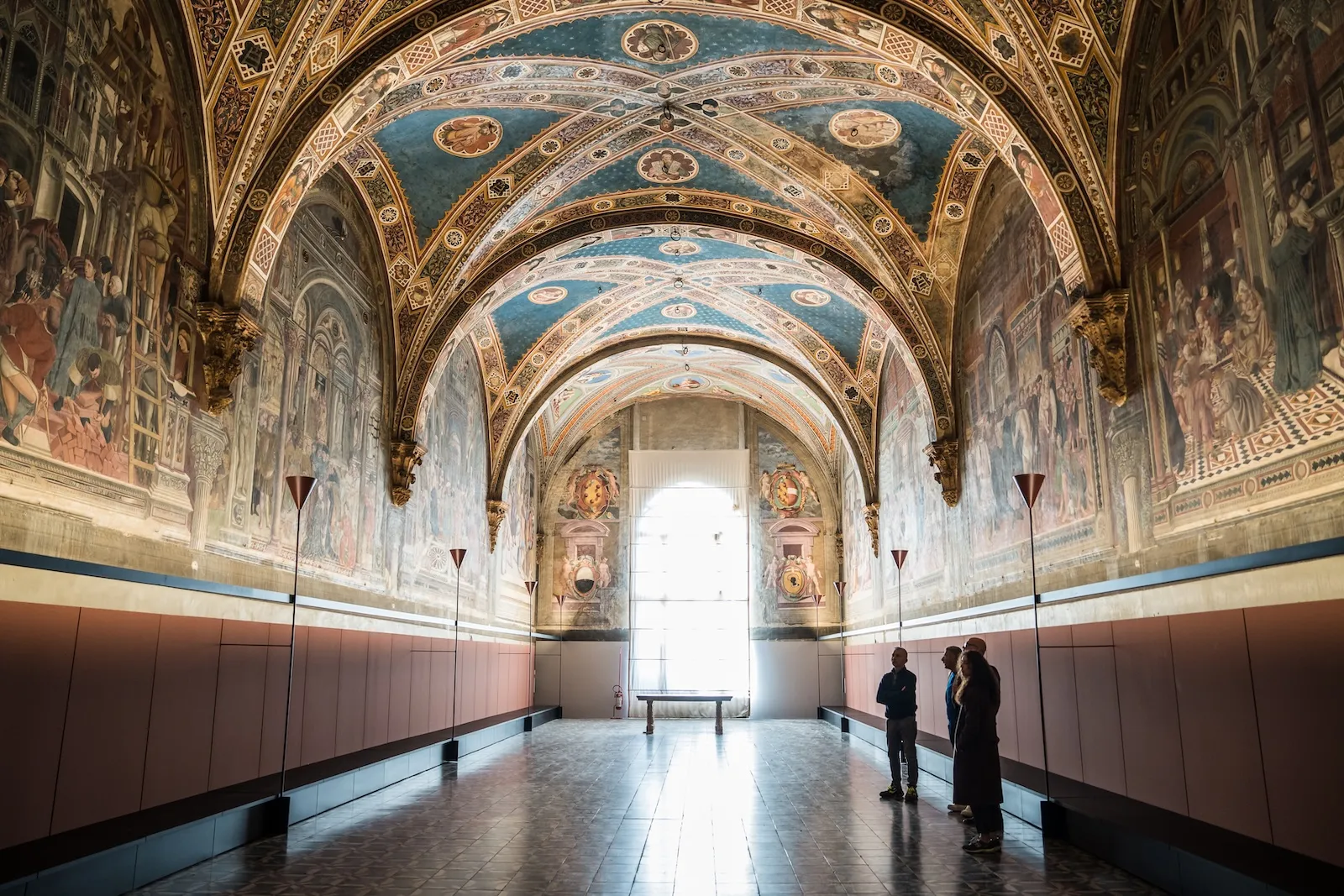
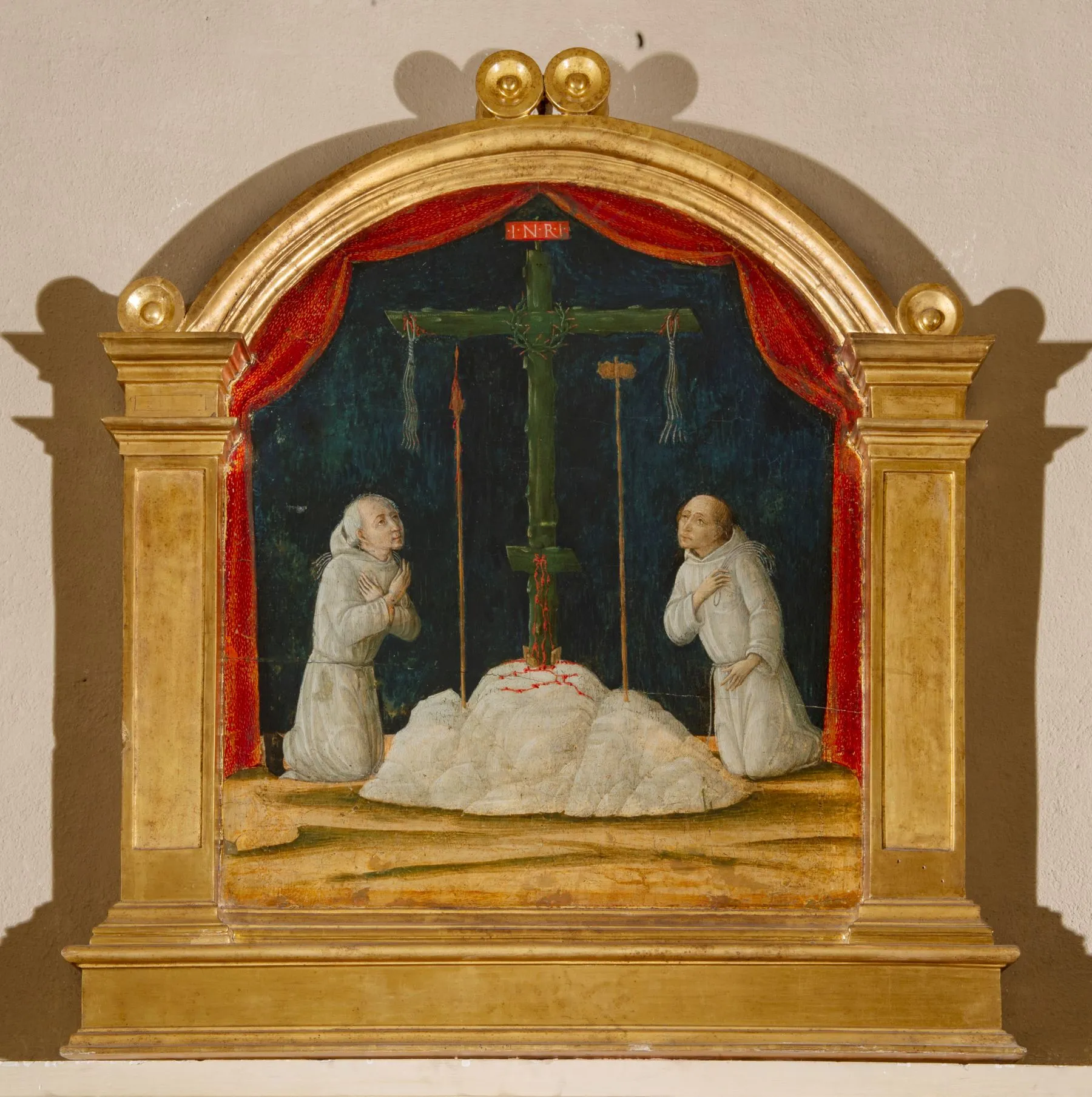
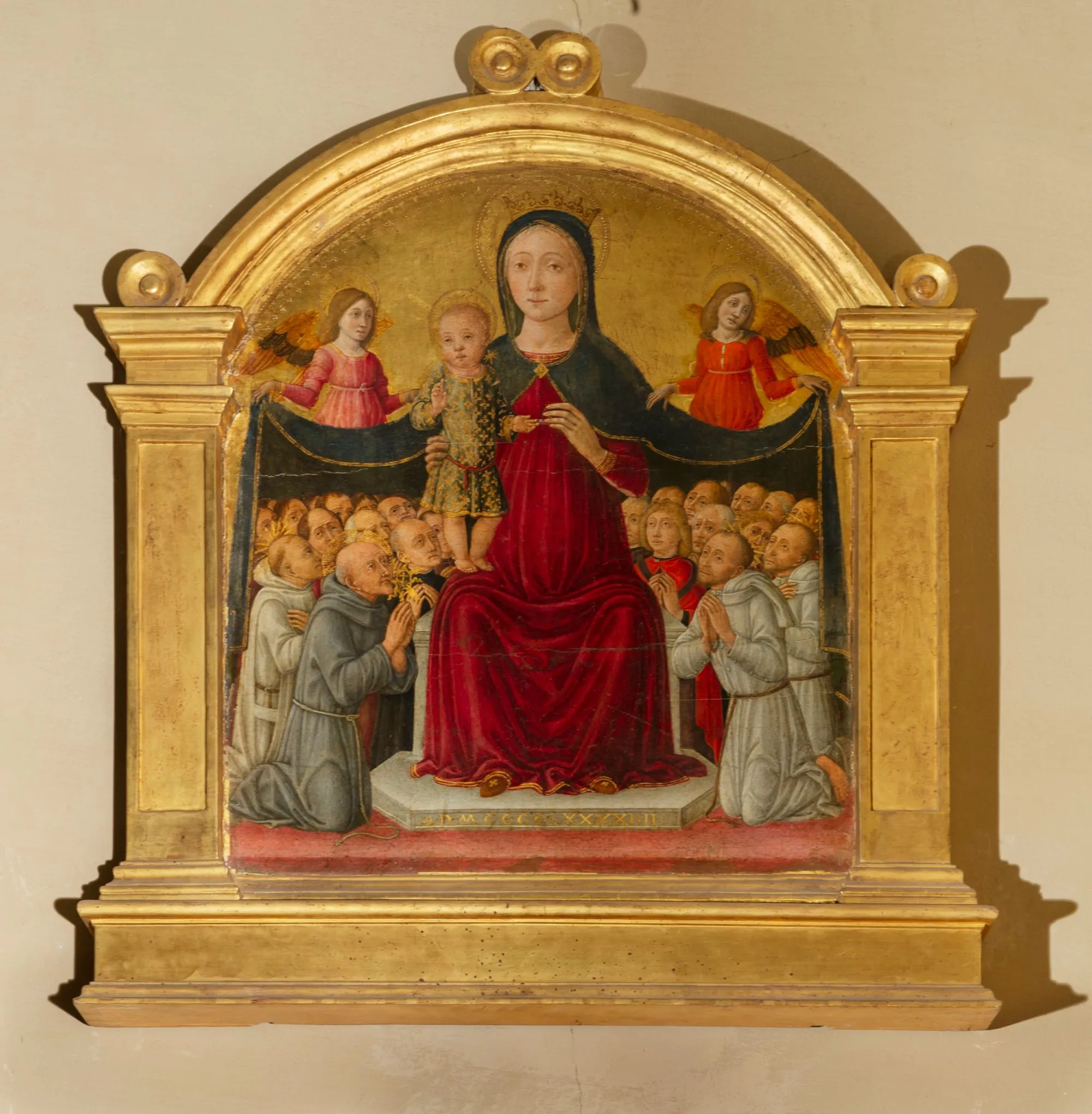
Founded in 1938 by the Society of Executors of Pious Dispositions, an institution established in 1816 to manage bequests and donations for charitable and cultural purposes, the museum preserves a valuable collection of works from oratories, churches and welfare institutions of the city. The collection includes 14th and 15th-century paintings by Sienese masters such as Sano di Pietro, Niccolò di ser Sozzo, Dietisalvi di Speme, Martino di Bartolomeo, and others.
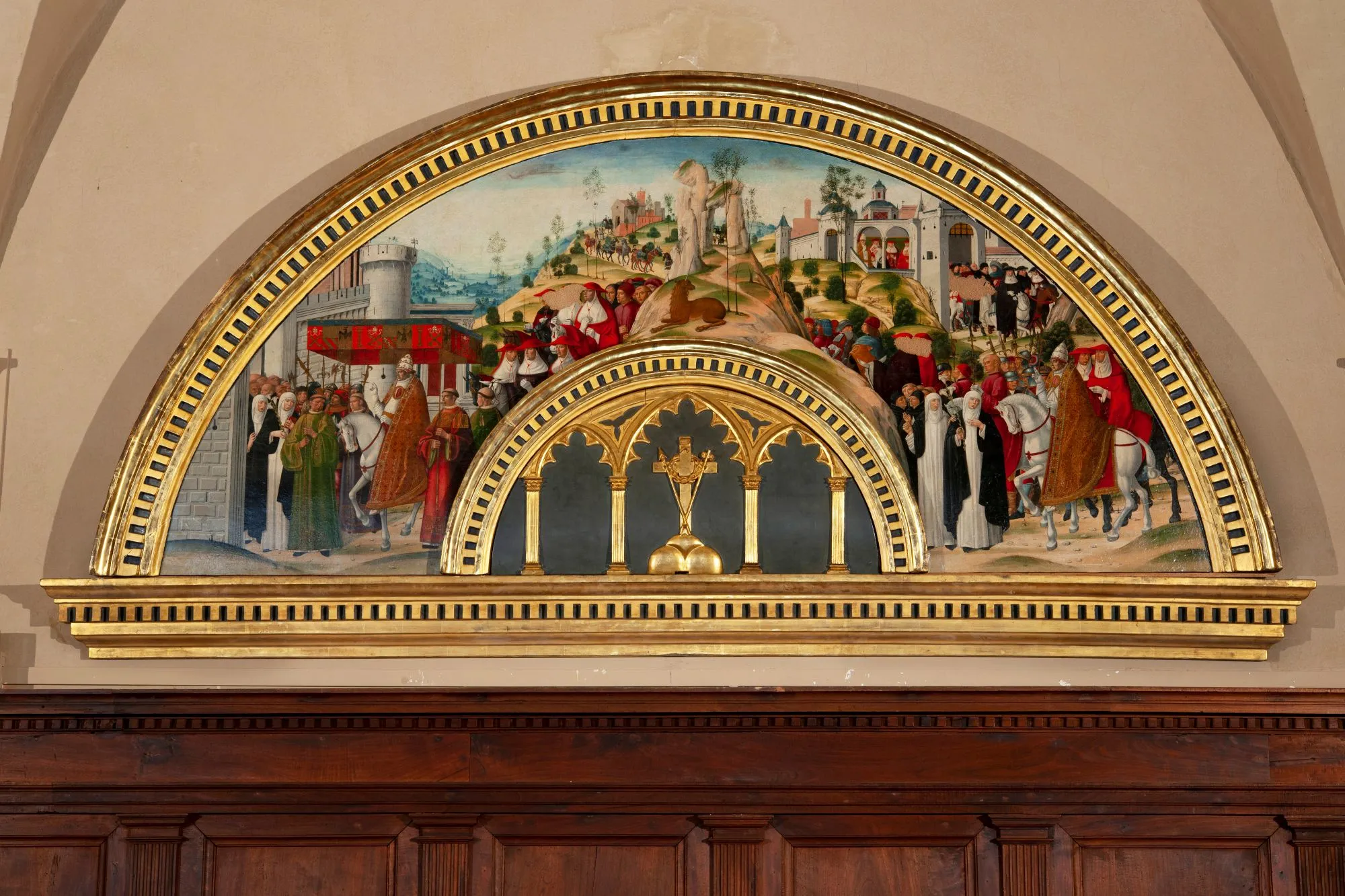
Among the masterpieces stands out the lunette “Saint Catherine brings Pope Gregory XI back to Rome” by Girolamo di Benvenuto and the “Holy Family with Saint John the Baptist” attributed to Sodoma. The museum also houses a rare 14th-century triptych reliquary, decorated with gilded glass and engravings, a precious testimony of sacred goldsmithing, rarely seen in other city collections.
Mission and atmosphere
The Society has ensured the survival of many works that would otherwise have been lost, recovered from disused churches and oratories as early as the 19th century.
The museum keeps alive the connection with the original mission of the institution: to carry out the wishes of benefactors, preserving and enhancing the artistic heritage entrusted over time. The atmosphere is intimate and collected: visitors often feel the sensation of entering a secret place, away from the most crowded tourist paths.
The Santuccio building is also linked to local traditions according to which, in past centuries, it hosted meetings of religious and scholars discussing art, theology, and science. The first room is dedicated to the works of the Biringucci Foundation, which document Sienese art between the 19th and 20th centuries, creating a suggestive dialogue between different eras.
The central location, just a few steps from Via Roma and the main attractions of the city, makes the museum easily accessible.
Credits: Museum of the Society of Executors of Pious Dispositions