 mna@unisi.it
 0577235583


The most distant ice in the world, just steps from the Campo
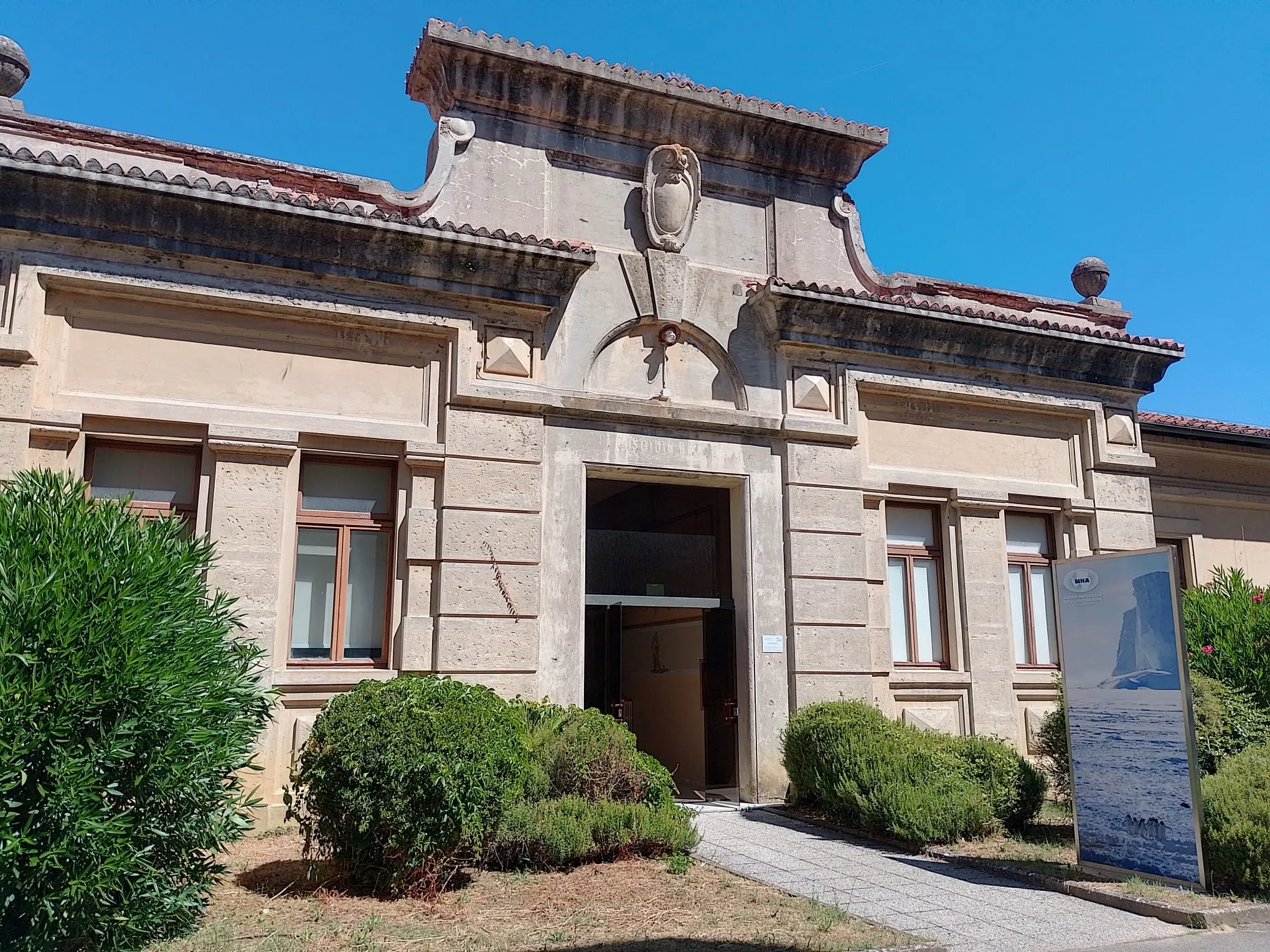
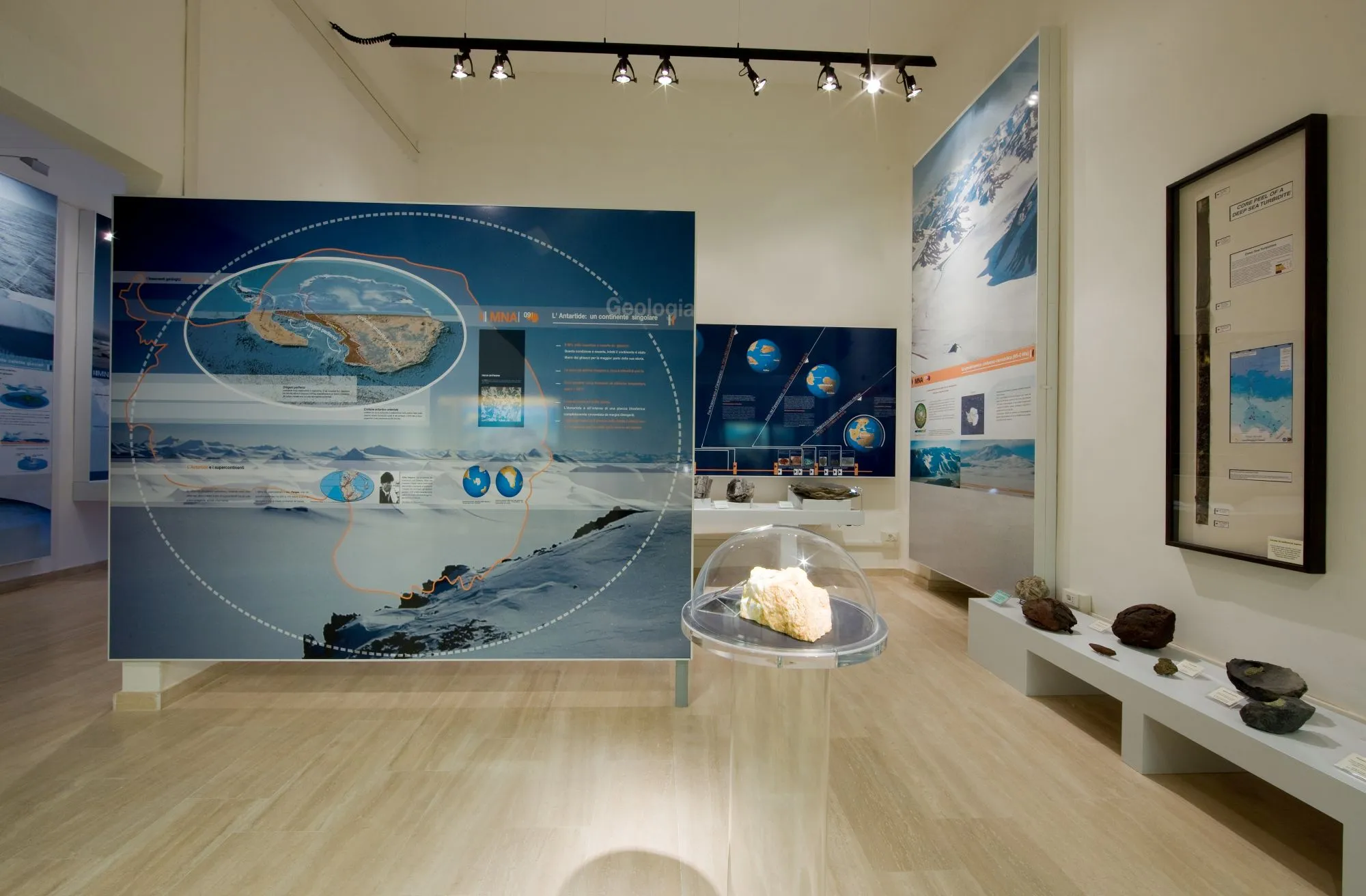
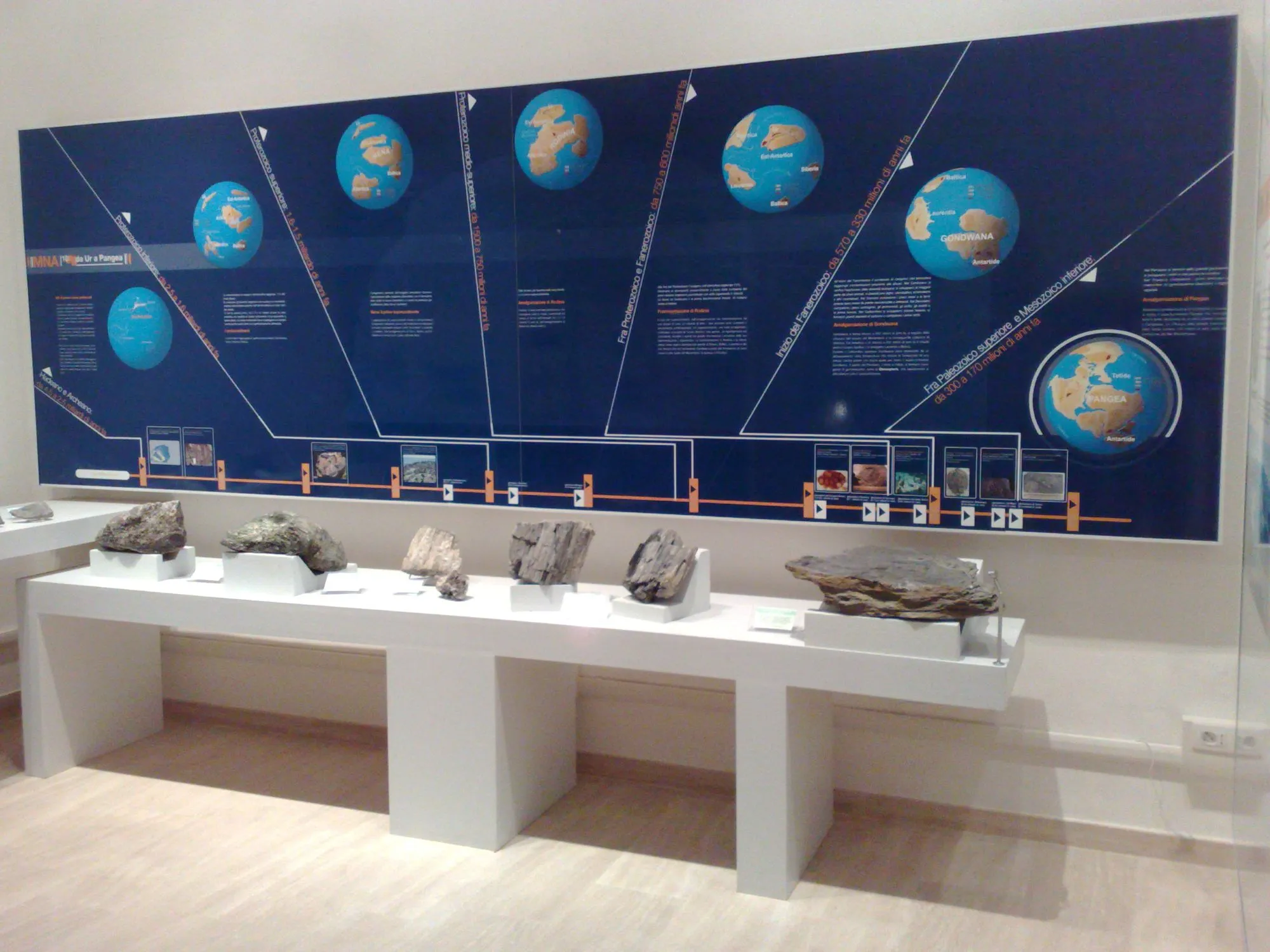
There is something almost impossible in the idea. You are in Siena, a city of red bricks and medieval towers, and suddenly you find yourself in front of a meteorite that fell in Antarctica, ancient rock samples, fossils of organisms that lived in a world that no longer exists. The Earth Sciences section of the National Antarctic Museum "Felice Ippolito" is one of those places that surprises even before you understand why: a piece of the frozen continent preserved in the heart of Siena.
Founded at the behest of Minister Antonio Ruberti in 1991 and officially established in 1996, the museum is an Interuniversity Center among the universities of Genoa, Siena, and Trieste. It is named after Felice Ippolito, a great scientist and communicator who was its first president, and it houses the artifacts that the Italian scientific expeditions of the National Program of Research in Antarctica (PNRA) have brought home since 1985.
A breathtaking heritage
The third collection of meteorites in the world
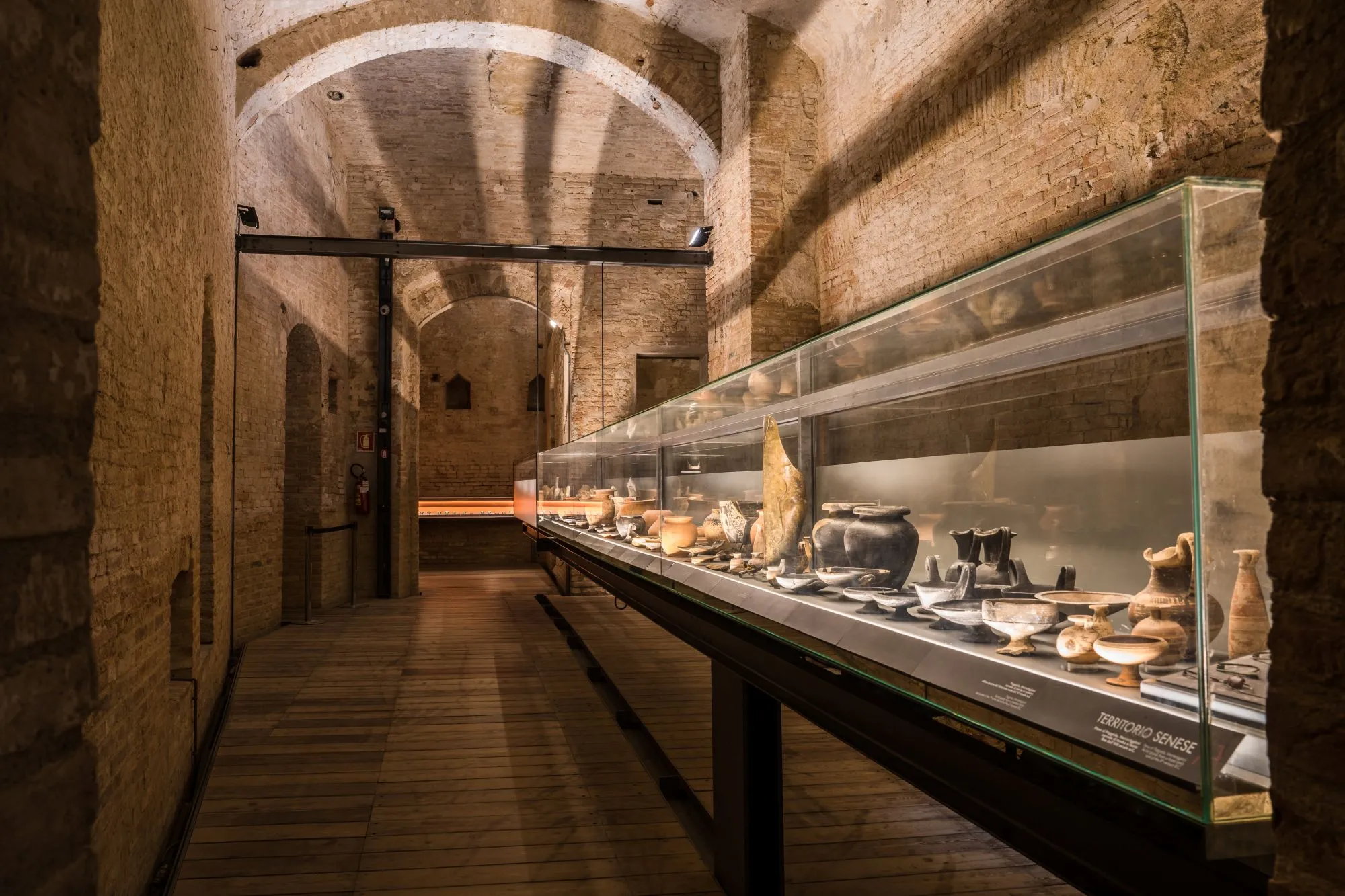
Over 20,000 samples of rocks and fossils. Over 1,000 meteorites collected on Antarctic ice. With its 1,150 cataloged meteorite specimens, the museum is the third collection of Antarctic meteorites in the world, after the American and Japanese collections. An absolute record that few would expect to find here, in the city of the Palio.
And yet it is so. And seeing them up close, those stones that came from space, changes something in the way you look at the sky.
A library that starts from the 1800s
Next to the artifacts, a beautiful library with over 5,000 volumes starting from 1840: explorations, Earth sciences, polar biology, international law. An archive that tells two centuries of human curiosity about the most remote and mysterious continent on the planet.
Entering the museum is entering Antarctica
The path does not settle for showing: it wants to make you feel. Videos, multimedia stations, surfaces of blue ice on which to simulate the search for meteorites, fossils, and Antarctic organisms to observe up close. Geology, glaciology, paleoclimatology, atmospheric sciences: everything becomes concrete, exciting.
It is a museum designed for those who love the biggest questions: how does climate form? What does ancient ice tell? What fell from the sky on that white continent?
Come and discover it
The National Antarctic Museum also organizes temporary exhibitions and is a perfect stop for families, students, and curious people of all ages.
Crediti:
- MNA Siena
- B. Bruchi