The medieval origins: a sweet as precious as a spice
The Panforte and the monks of Santa Maria della Scala
The history of panforte begins long before Queen Margherita. The first testimonies date back to 1205, when this sweet was delivered as a tribute to the monks of the Hospital of Santa Maria della Scala: a precious gift, rich in oriental spices, pepper, cinnamon, coriander, considered medicinal for their extraordinary energetic value. In an era when spices were worth as much as gold, panforte was an edible luxury, a concentrate of distant flavors brought by trade routes to the heart of Tuscany. Siena, a city of merchants and bankers, knew how to recognize the value of rare things. And transformed them into art.
The recipe: eternal ingredients, perfect balance
Almonds, candied fruits, and honey: simplicity that never ages
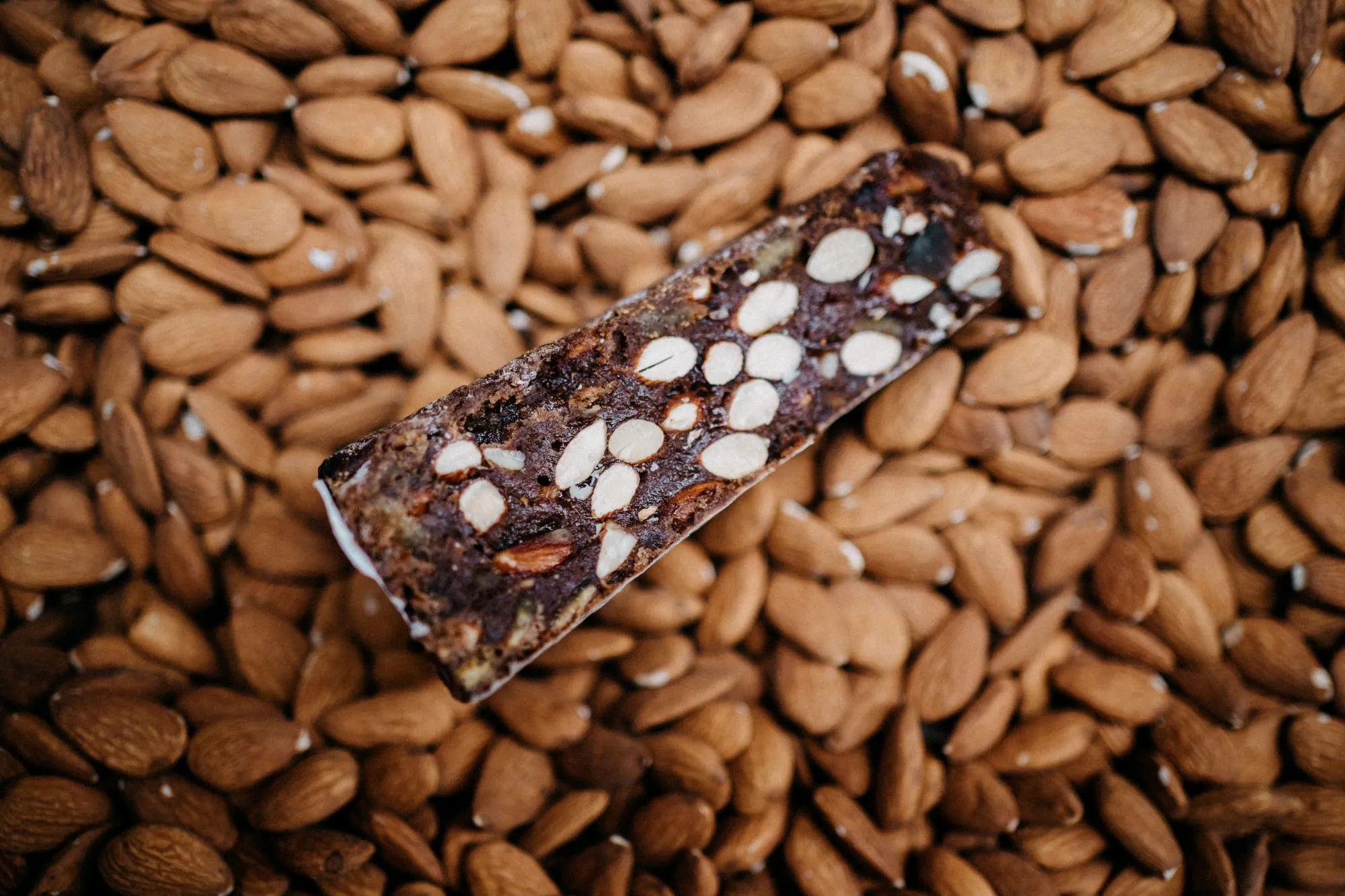
The Panforte Margherita retains the historical ingredients that made it great: toasted almonds, candied cedar and orange, honey, and a small amount of flour, combined in a soft and compact dough that releases citrusy aromas and sweet notes of extraordinary harmony. Compared to panpepato, the spiciness becomes more discreet: less wild character, more refined balance between candied fruit and honey. The result is a sweet that captivates those who taste panforte for the first time, without ever disappointing those who have known it forever. Every shape is protected by the Panforte di Siena IGP designation, which guarantees ingredients, processing methods, and production exclusively in the Siena area. A protection that is also a promise: what you taste here you won't find the same anywhere else.
How to enjoy it: pairings and Sienese rituals
Vin Santo, Moscadello, and the Tuscan slowness
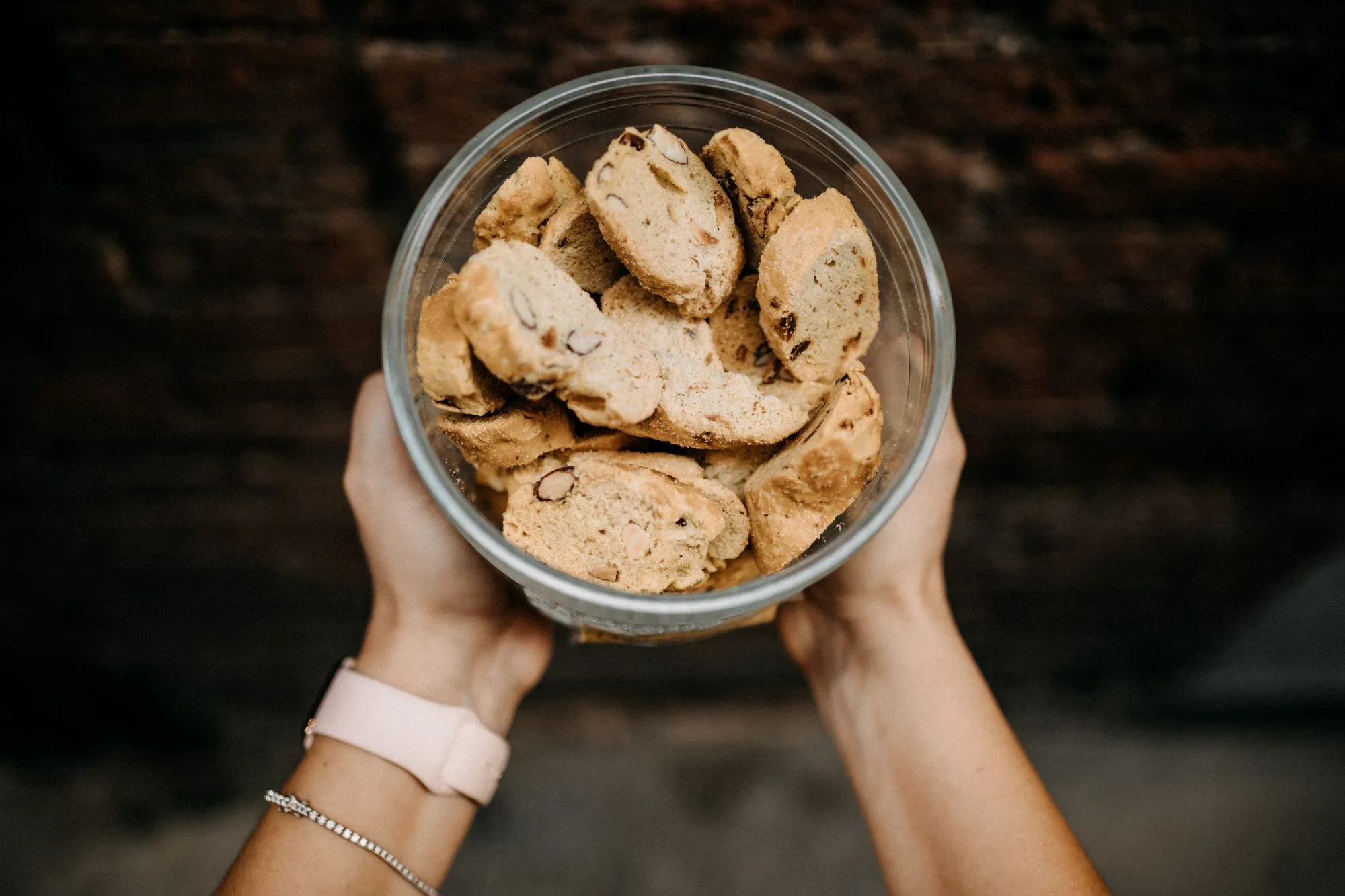
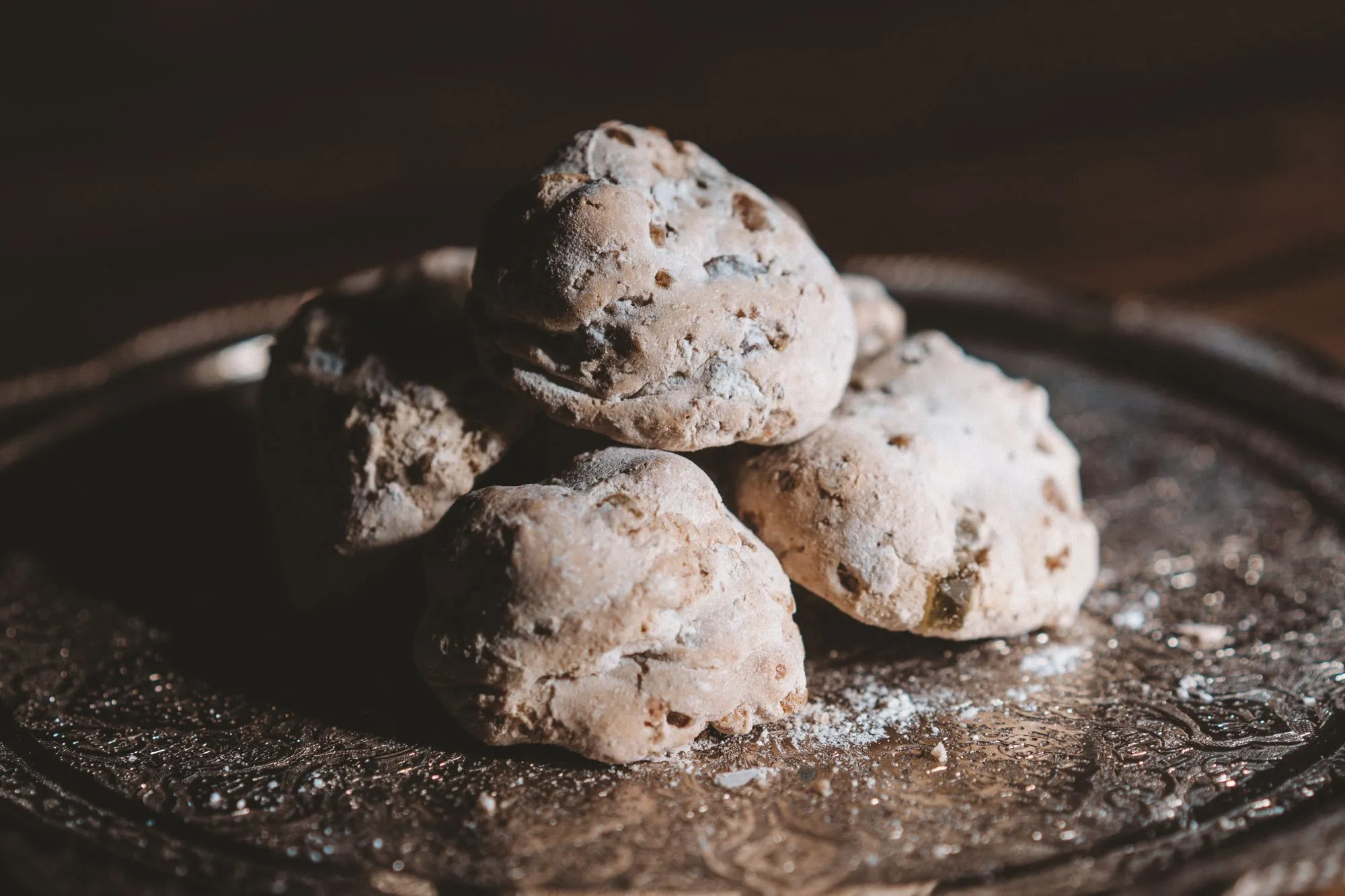
The Panforte Margherita is not a sweet to be consumed quickly. It is enjoyed slowly, in small slices, accompanied by a glass of Vin Santo, Moscadello di Montalcino, or a passito from the Sienese hills. The sweetness of honey meets that of wine, the citrusy aromas of the candied fruits unfold sip by sip. It is one of those pairings that seem inevitable, as if they have always been thought of together. You can find it in all the historic pastry shops in the center of Siena, often alongside ricciarelli, cantuccini, and cavallucci, in packages that already smell like a gift before being opened. Not surprisingly, it is one of the most loved gastronomic souvenirs by visitors: compact, long-lasting, capable of bringing a piece of authentic Siena far away.