A recipe that tells a story
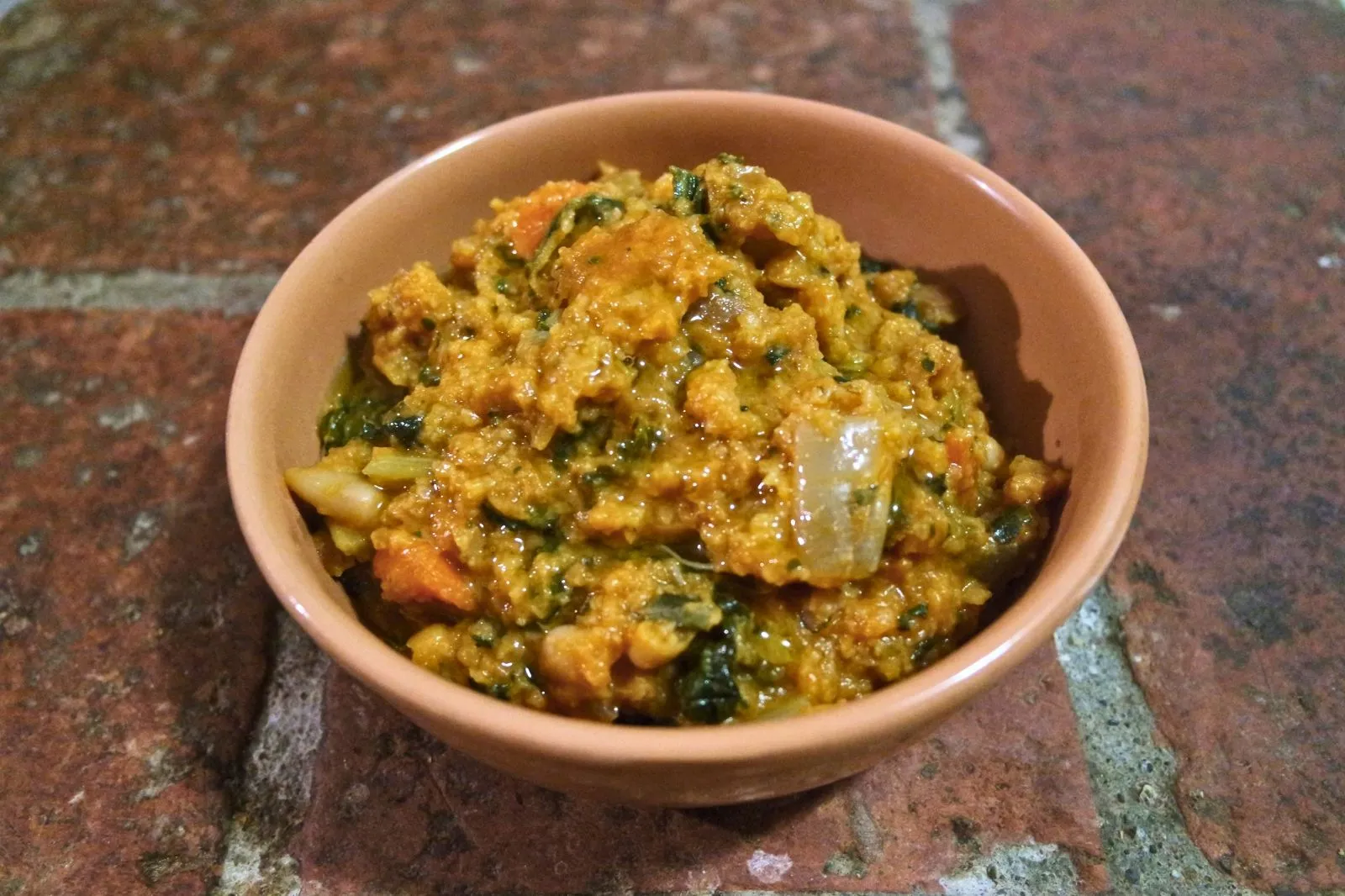
Ribollita gets its name from the fact that it was cooked in abundance, to then be "reboiled" in the following days, when the soup was enriched with the flavors of the previous day. Its main ingredients are cannellini beans and black cabbage, which must have been "picked after the frost," meaning it has undergone a frost that makes the leaves softer and sweeter.
The origins of this preparation are ancient, and the first traces of it date back to 1910, when it was documented in the book L'arte Cucinaria in Italia by Alberto Cougnet. Each area of Tuscany has its version, but ribollita remains a dish that unites tradition and authenticity, capable of telling the story of the Tuscan countryside.
Ingredients and preparation
To prepare ribollita, it is essential to start with the cannellini beans, which should be soaked for at least 8 hours before being cooked in plenty of cold water. Once cooked, the beans should be drained, but do not throw away the cooking water: you will need it to blend some of the beans and add it to the soup in the following steps.
Meanwhile, in a large pot, sauté a mixture of onion in extra virgin olive oil with a bit of water. When the onion is wilted, add the vegetables: carrots, celery, chard, savoy cabbage, and black cabbage cut into pieces. Stir well, allowing everything to flavor.
At this point, add the cooked beans and half of the blended beans with some of their cooking water. Also add the tomato puree and cover with the remaining cooking water, letting everything simmer for at least 2 hours.
When the soup is ready, toast slices of Tuscan bread. Tradition dictates that stale bread, which has been left to rest for a few days, is used. Place the toasted bread in a soup bowl and pour the hot soup over it, alternating layers of bread and soup.
Ribollita: a soup that tells the Tuscan cuisine
Once ribollita has cooled, it is time to let it rest in the refrigerator. The next day, cook it again and serve it with a drizzle of raw extra virgin olive oil. This dish is the symbol of Tuscan cuisine that not only warms but tells the memory of the land, tradition, and conviviality.