Before opening the bottle, there is a story that spans years
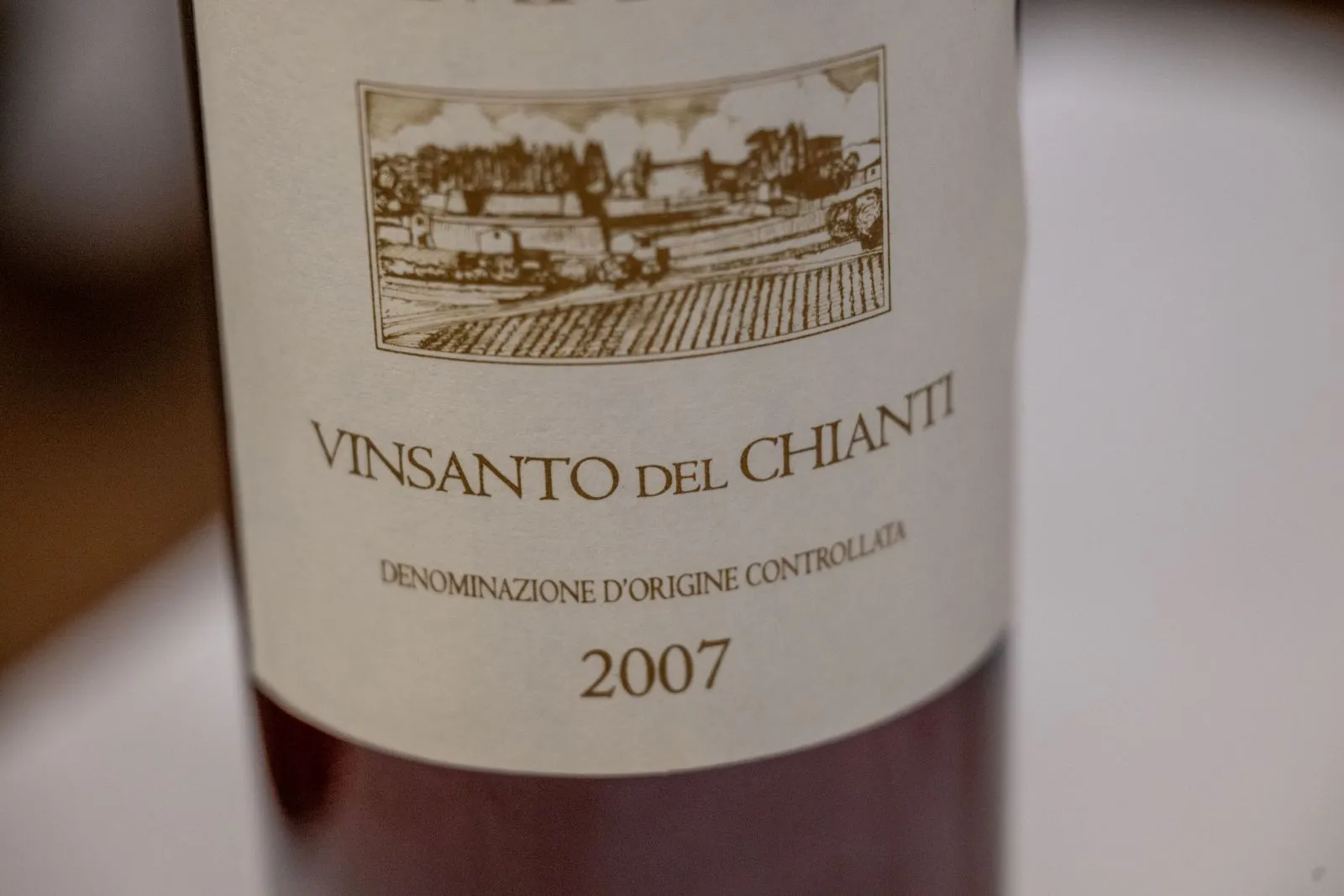
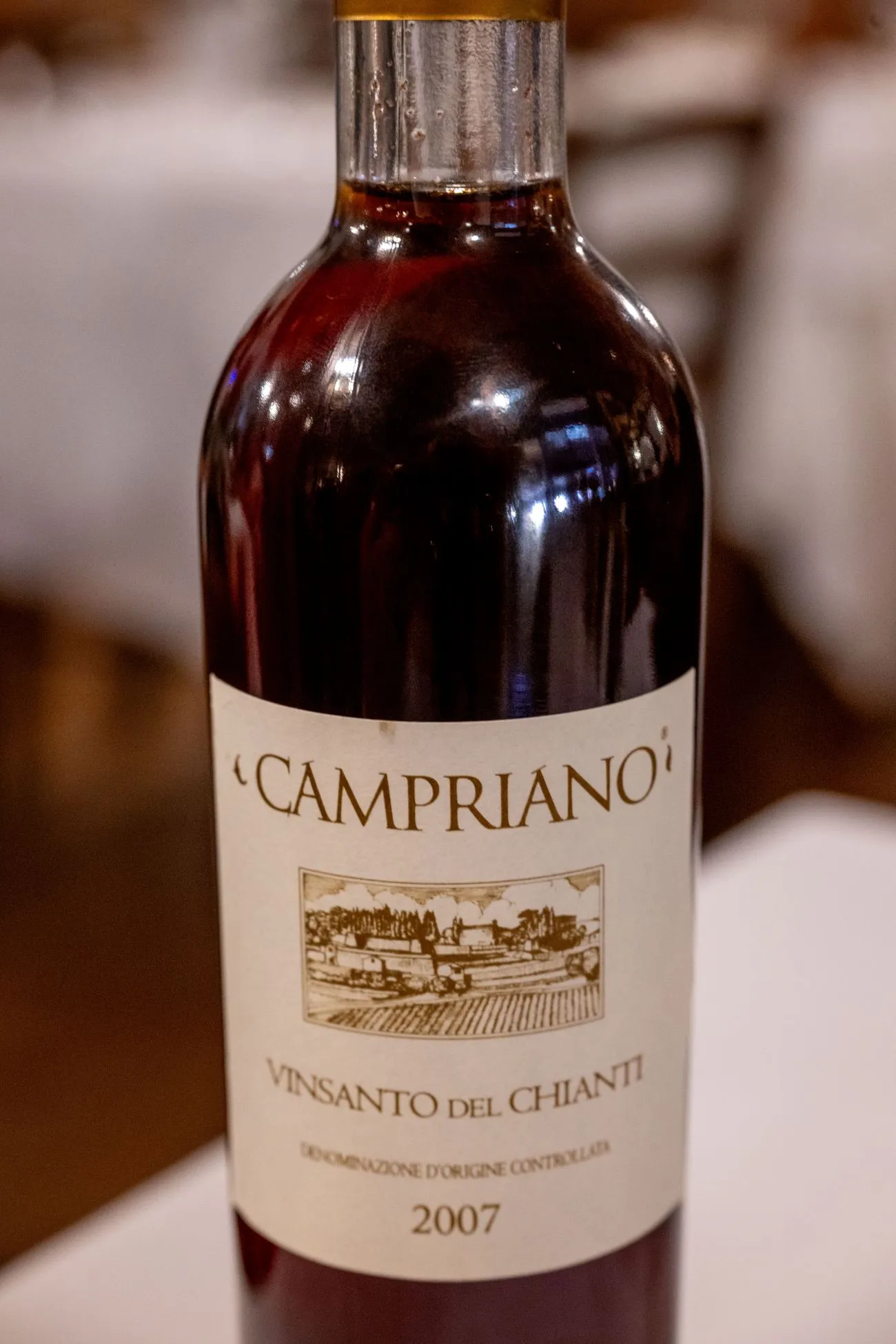
In the attics of Sienese houses, where the heat of summer and the cold of winter alternate without respite, rest the caratelle: small barrels of different essences, sealed, silent. Inside, time is at work. The Vinsanto is not in a hurry. It is born from the selection of the best bunches of Trebbiano Toscano, Malvasia, and Sangiovese, left to dry slowly on wooden racks or hung on hooks, until the grapes have concentrated everything they had. Then they are pressed, the must enters the caratelle where the previous year's Vinsanto had just been, and from there nothing moves for at least three years. Some producers even wait ten. Because Vinsanto is this: time, care, patience. And in the end, a sweet and amber wine that is worth every day of waiting.
A name that no one really knows where it comes from
The cardinal, the Greek wine, and a fortunate misunderstanding
The name Vinsanto has more stories behind it than can be told in one evening. The most fascinating involves Cardinal Giovanni Bessarione, who during a tasting is said to have exclaimed: "This is the wine of Xantos!", perhaps referring to a Greek passito from Santorini, called Xantos in its original language. The diners, confusing "Xantos" with "santos", believed that the prelate had discovered even saintly qualities in the wine. From that moment on, the vin pretto became Vin Santo. A misunderstanding that made history.
The other versions: the saints, the seasons, and the Black Plague
But the legends do not end there. Some claim that Xanthos, in Greek, simply means yellow, and that the cardinal was merely commenting on the color of the wine. Then there is the version that links the name to November 1, All Saints' Day, the traditional time for drying grapes. And then there is the most Sienese version of all: during the Black Plague of 1348, a Franciscan friar treated the sick with altar wine. Given its almost miraculous properties, they began to call it Vin Santo. Which version is the true one, no one knows for sure. Perhaps that is the most beautiful part.
From wine of the rich to a symbol of conviviality
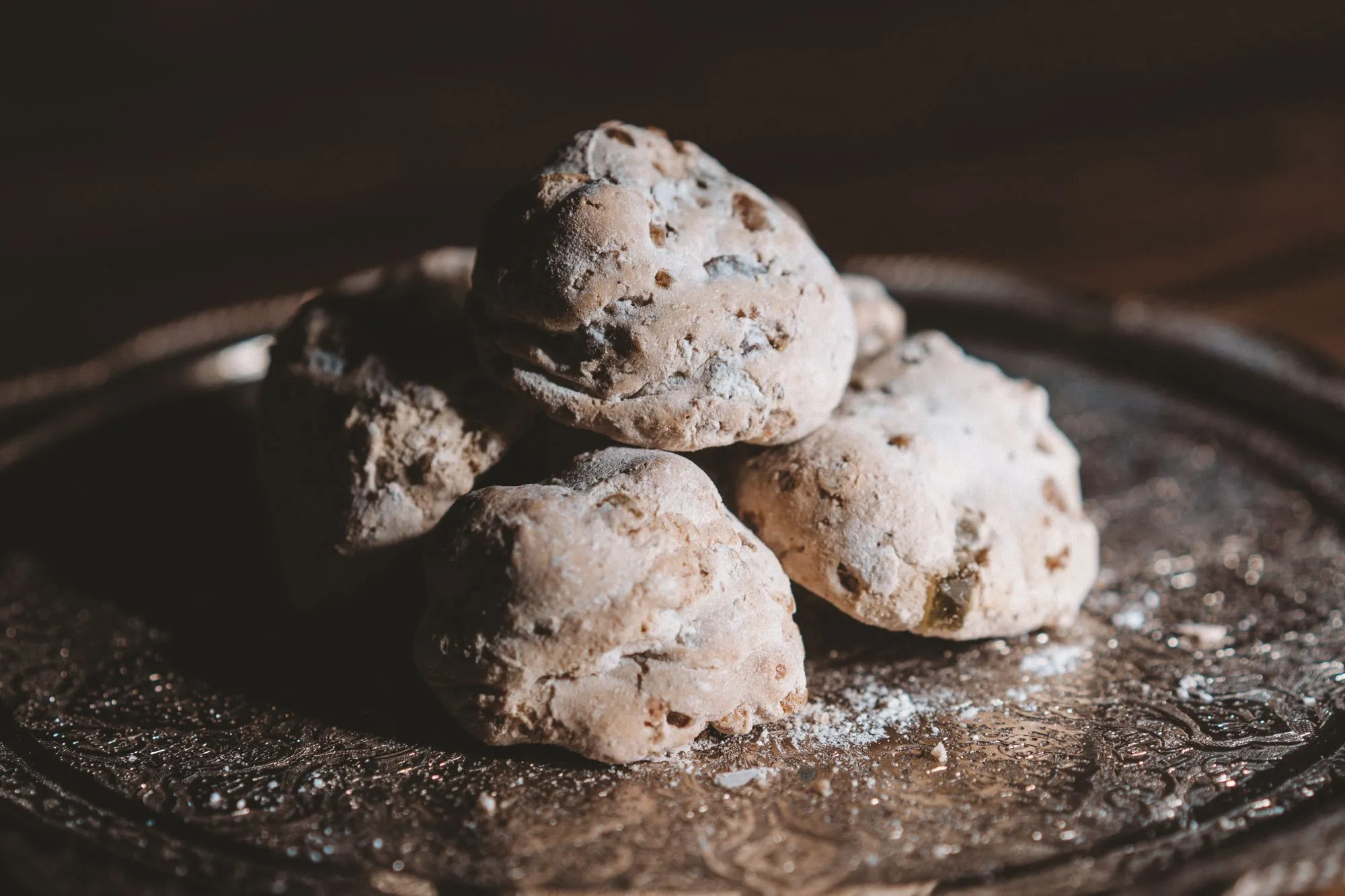
Already present on the tables of the rich in ancient times, from the 19th century onwards, Vinsanto descended from noble residences and spread to the kitchens of lower classes, consumed on festive occasions or as a welcome for friends and important guests. A gesture of hospitality transformed into tradition: the bottle is opened, glasses are poured, and cantucci are offered. A pairing that is not debated in Siena.