Origins and birth of San Niccolò
The concept of asylum for the mentally ill originated in Italy as early as the 16th century, primarily for social control reasons. The patient was considered dangerous to themselves and others, and thus needed to be isolated. Between the 17th and 18th centuries, the concept of asylums slowly began to evolve, transforming from places of confinement to spaces for care and medical study.
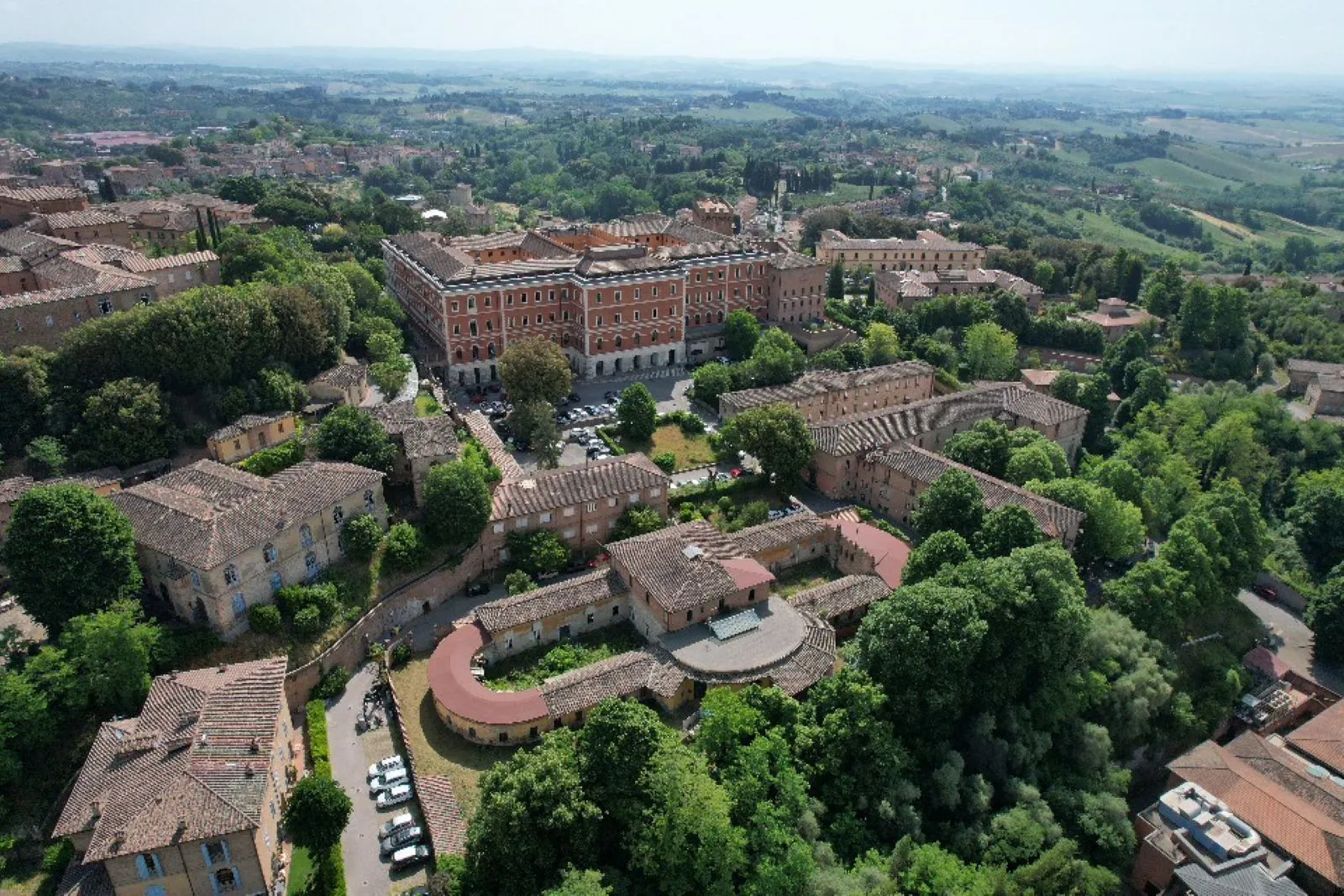
With the arrival of the Lorena in 1737, the Siena healthcare system was reorganized, fostering the establishment of institutions specialized in the care of madness. The Psychiatric Hospital of Siena was founded in October 1818 in the former Augustinian Monastery of San Niccolò, near Porta Romana, and soon became the second most important psychiatric facility in Tuscany, after the Bonifazio in Florence. Like many asylums of the time, it is located outside the urban center, in open countryside, allowing for future expansions and greater isolation.
The asylum village and early innovations
The complex was designed as a true asylum village, with separate buildings, internal roads, medical pavilions, laboratories, and workshops. The community was self-sufficient thanks to the agricultural and artisanal work of the patients. The architecture was entrusted to Francesco Azzurri, following the guidelines of Carlo Livi. Among the main innovations:
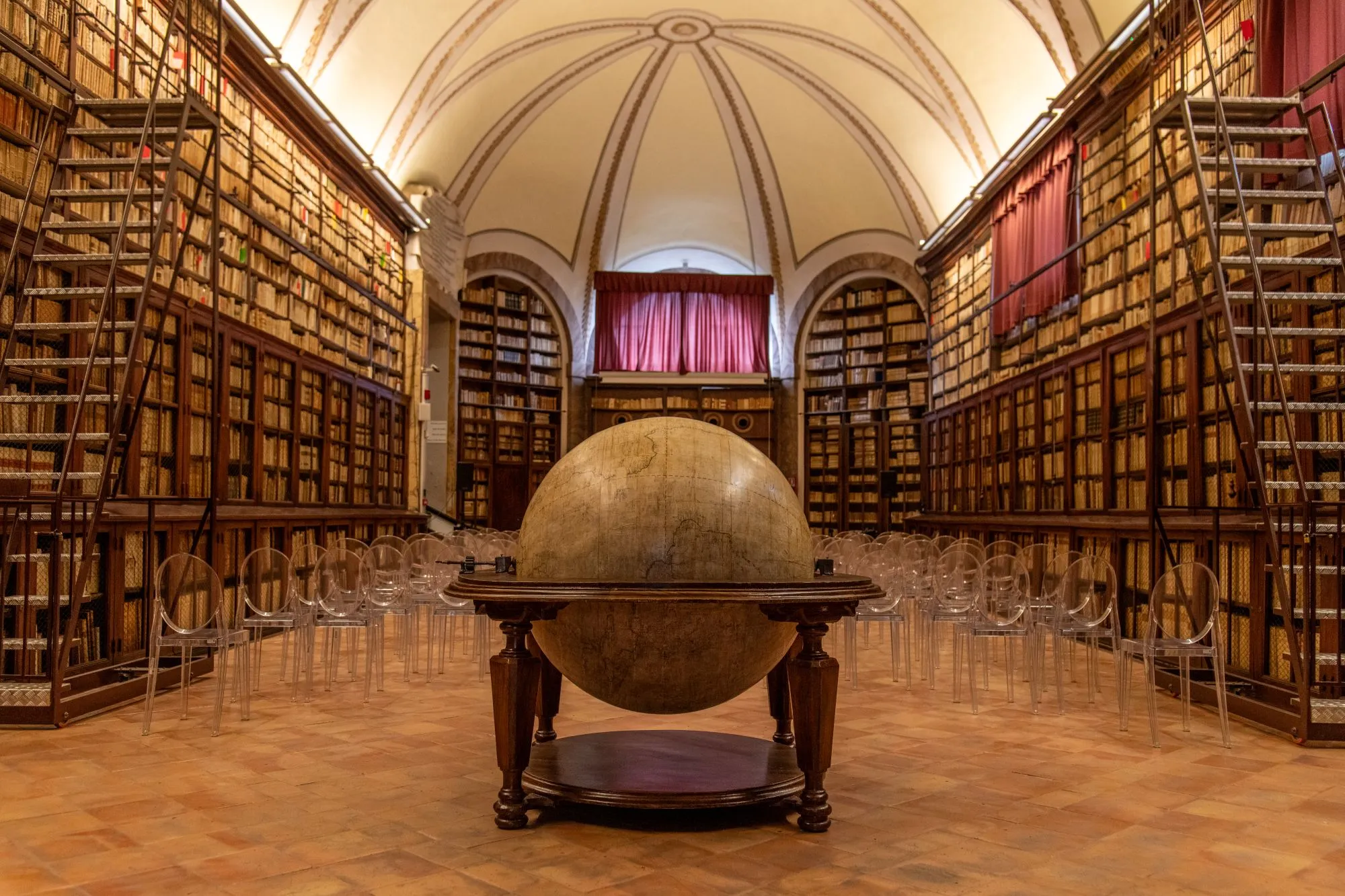
In 1870, the inauguration of the medical library.
In 1874, the establishment of the university clinic, linked to the teaching of psychiatry.
In 1880, the creation of anatomical rooms for the study of cadavers.
In 1886, the construction of the pharmacy, separate from the rest of the complex; some murals and construction work were probably carried out by the patients.
Thus, San Niccolò became a place of care, clinical observation, and university training, marking a significant evolution in the management of madness and medical education.
From asylum to university campus
After the second post-war period, criticism of asylums grew, seen as places of isolation rather than care. The Basaglia Law of 1978 initiated the closure of asylums, and San Niccolò closed permanently in 1999. Starting in the 2000s, part of the complex was entrusted to the University of Siena, which transformed it into classrooms, departments, laboratories, libraries, and offices.
The reuse symbolizes a continuity between historical memory and contemporary function, transforming a place of segregation into a center of study and training. Inside, there is a permanent exhibition “The Uncomfortable Memory”, featuring photographs of patients interned in 1932, testifying to the past while not forgetting the dignity of individuals.