A palace overlooking the heart of the world
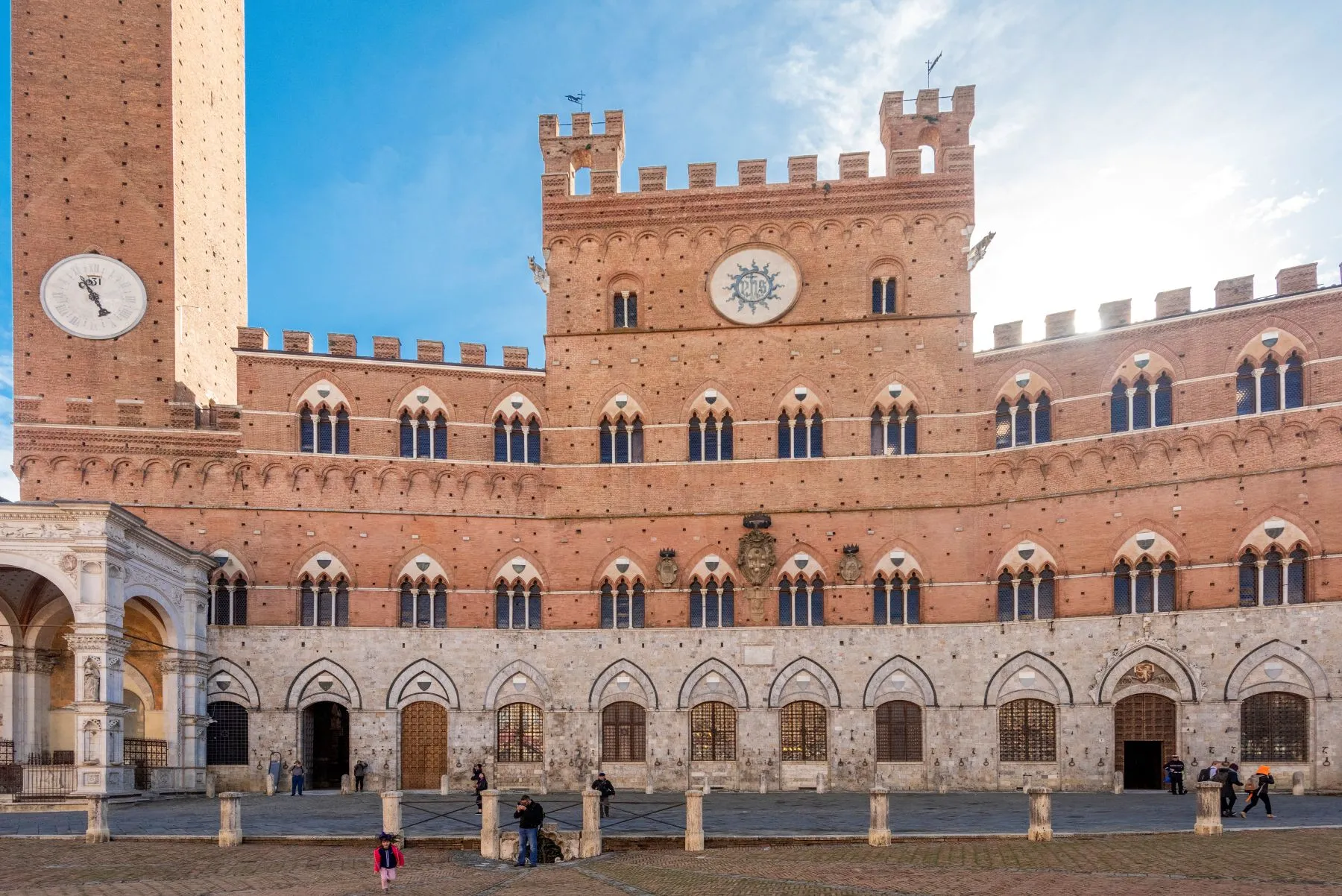
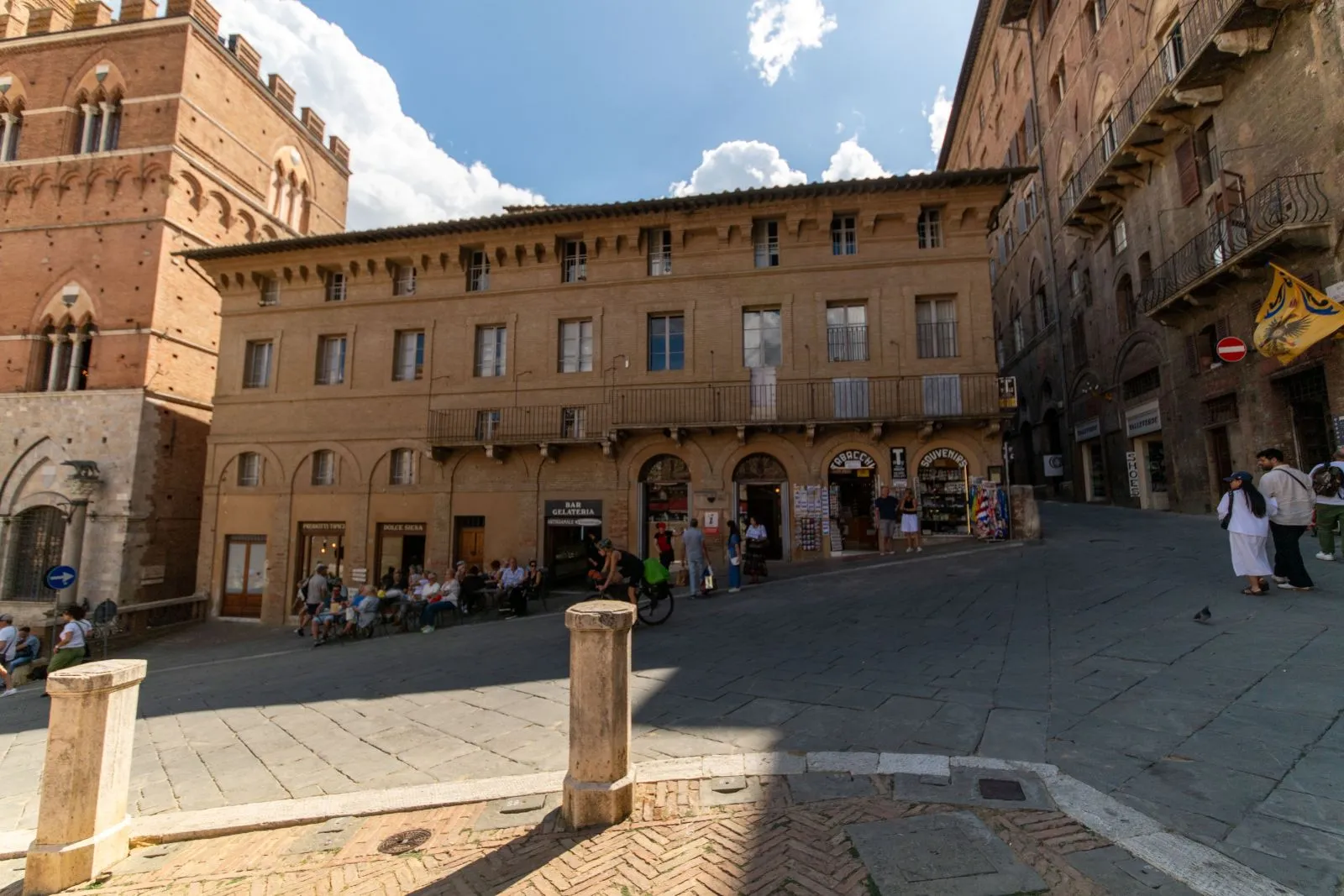
There are those who enter Piazza del Campo and look up at the Torre del Mangia. There are those who sit on the cobblestones and let the square envelop them. And there are those who, stopping at the entrance of Via Duprè, realize that one of the most storied palaces in Siena is right there, discreet and silent, waiting for someone to stop and truly look at it.
Palazzo Berlinghieri belonged to the Sienese aristocracy, to the family that bears its name. Today it houses the offices of the Municipality of Siena and, on the ground floor, the Visit Siena Tourist Office: the first official face the city offers to its visitors. A palace that welcomes, therefore. As it always has.
Stendhal, Giulia, and a love that did not ask for permission
But the story that makes this palace truly unforgettable is not institutional. It is romantic, passionate, and literarily extraordinary.
Giulia Rinieri de Rocchi was a young Sienese noblewoman entrusted to the guardianship of Daniello Berlinghieri, minister of the Grand Duchy of Tuscany in Paris. It was there that she met Henri Beyle, the great writer known to the world as Stendhal. And she fell in love. Deeply, irrevocably.
When Stendhal asked Berlinghieri for permission to marry her, the guardian refused: the writer was not a suitable match. But Giulia did not give up. Their relationship continued, clandestine and intense, with meetings in Siena, especially in 1832, and elsewhere, until the death of the writer. A love that did not ask for permission, that did not accept boundaries, that lasted longer than any obstacle.
And that love can still be seen, hidden between the lines of Stendhal's novels. Many scholars recognize in Giulia the inspiration for Mathilde de la Môle, the feverish and proud protagonist of The Red and the Black. And in The Charterhouse of Parma appears a Palazzo di Vignano that recalls the villa belonging to the Berlinghieri in the locality of Vignano, near Siena. Literature as memory, love as inspiration: Palazzo Berlinghieri is also this.
The Carroccio and the memory of Montaperti
Inside the palace, something extraordinary is preserved: the Carroccio of the Palio, visible from Casato di Sotto. Pulled by four Chianina breed oxen, this triumphant cart parades during the Historical Parade that precedes the race, carrying with it the Drappellone, the precious painted cloth that will be the prize for victory.
The Carroccio is not just a scenic element: it is a symbol laden with historical memory. In Sienese tradition, it recalls the cart captured from the Florentines at Montaperti in 1260, in the most famous and beloved battle in the city's history. On the cart, there is a Latin inscription that translates as an eternal prayer: "O Queen, worthy of the highest crown of the Father, I will forever contemplate your virginity", an invocation to the Virgin, protector of Siena since time immemorial.
Come and discover it
Stop at the entrance of Via Duprè, look at the palace, think of Giulia and Stendhal. And then, seek the Carroccio.
Piazza del Campo, at the entrance of Via Duprè, Siena.