Origins and family of the owners
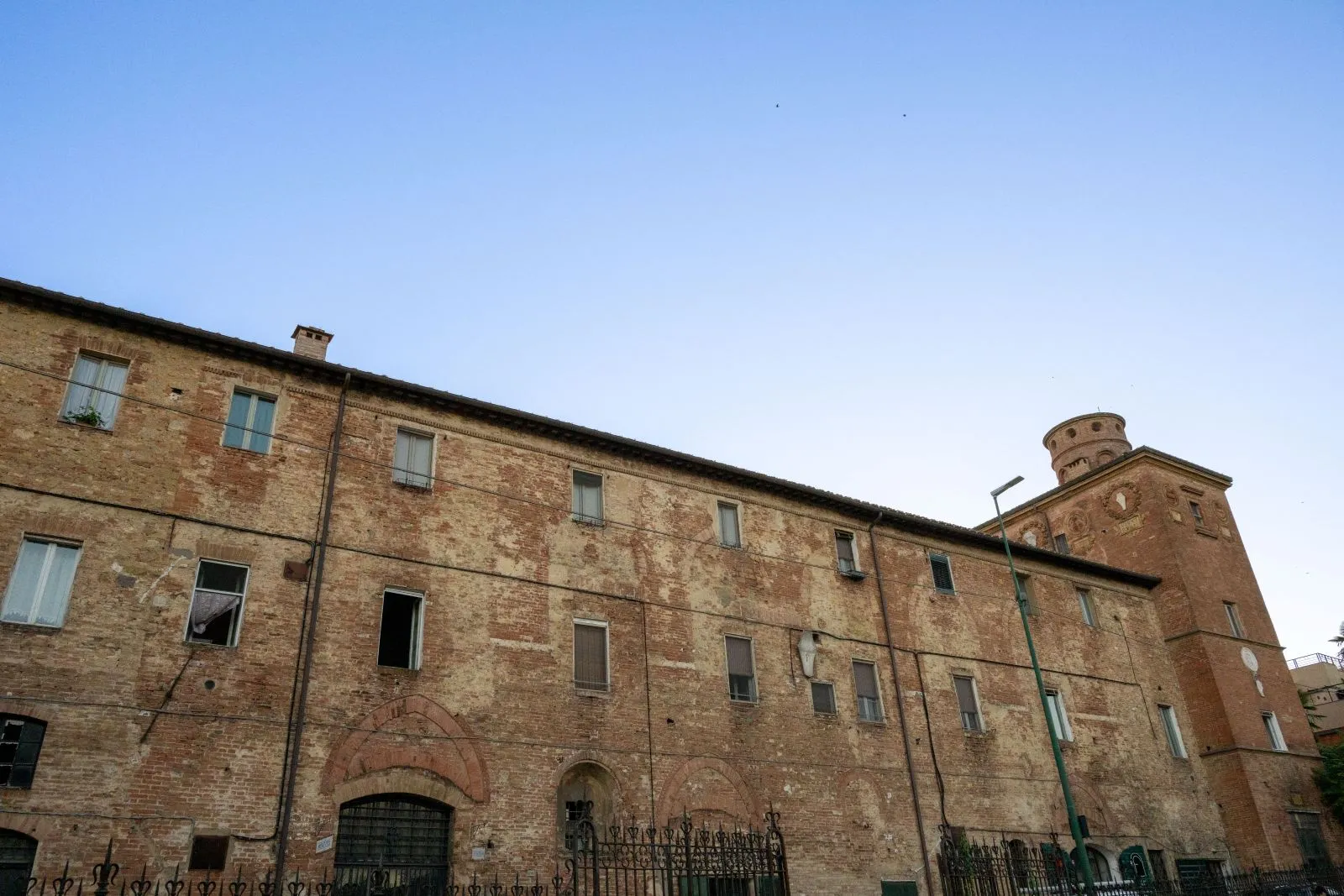
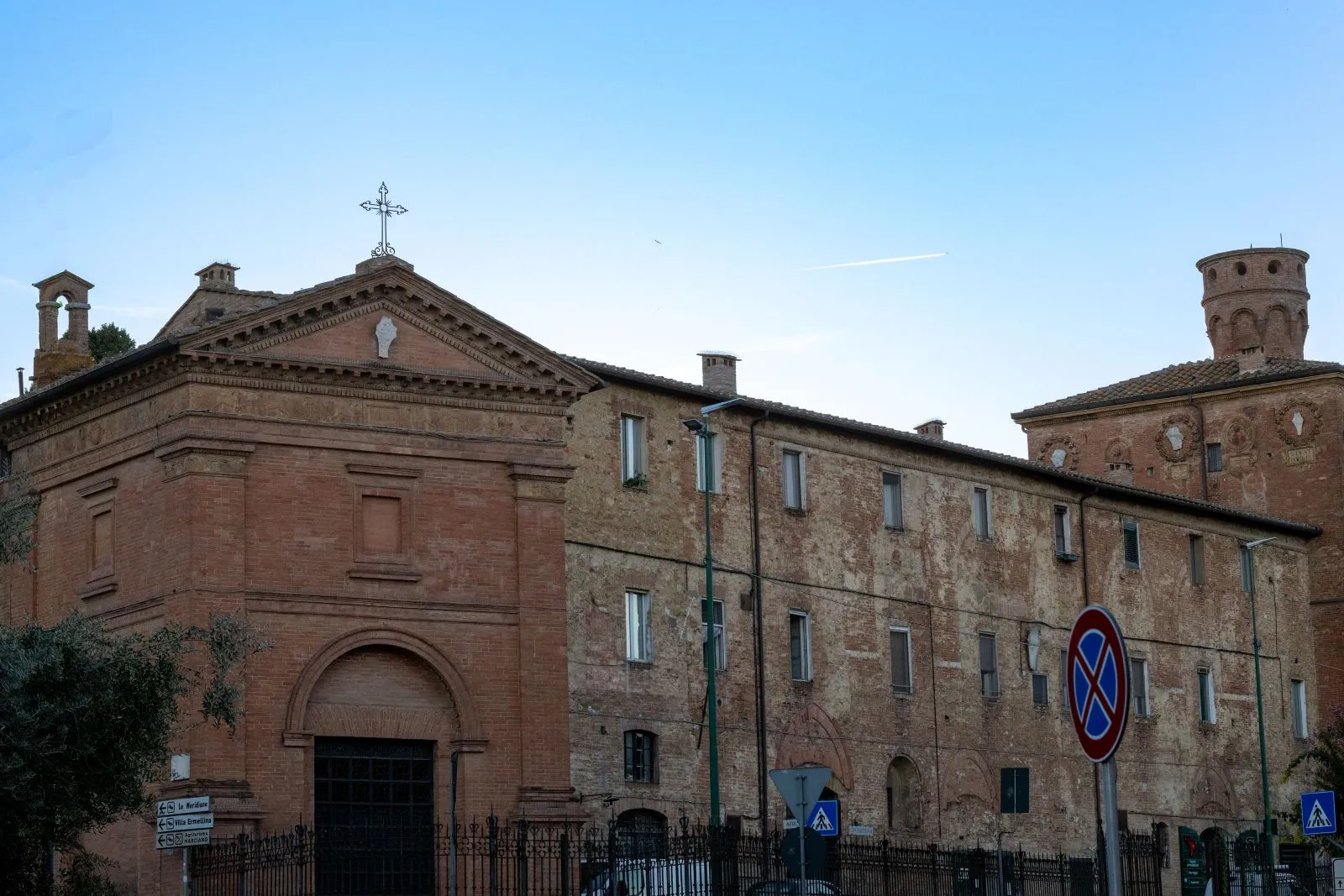
The palace belonged to an extinct Sienese family, the Turchi, followed by the Buonsignori. On the main door an inscription still legible reads: “Palatinum Turcarum”, a historical memory of those who lived there. The connection with the Turchi family is central also in the interpretation of the name “Diavoli”: in medieval times, the term “Turk” was often associated with the idea of religious unfaithfulness, transforming over time into a symbol of superstition and evil.
The mystery and legends of the Palazzo
The origin of the name “Palazzo dei Diavoli” is shrouded in mystery and legends:
According to popular tradition, the isolated palace outside the walls would have been the scene of secret meetings and rites considered forbidden, fueling an aura of fear and mystery typical of the Middle Ages.
The surname of the Turchi, reinterpreted in a superstitious sense, reinforced the association with the diabolical.
The battle of Camollia on July 25, 1526 contributed to consolidating the myth: a Sienese contingent drove away the Florentine and papal troops, and the enemies would have believed they saw demonic figures emerging from the palace. The episode is also documented in a letter from Francesco Vettori to Niccolò Machiavelli.
Art and architecture
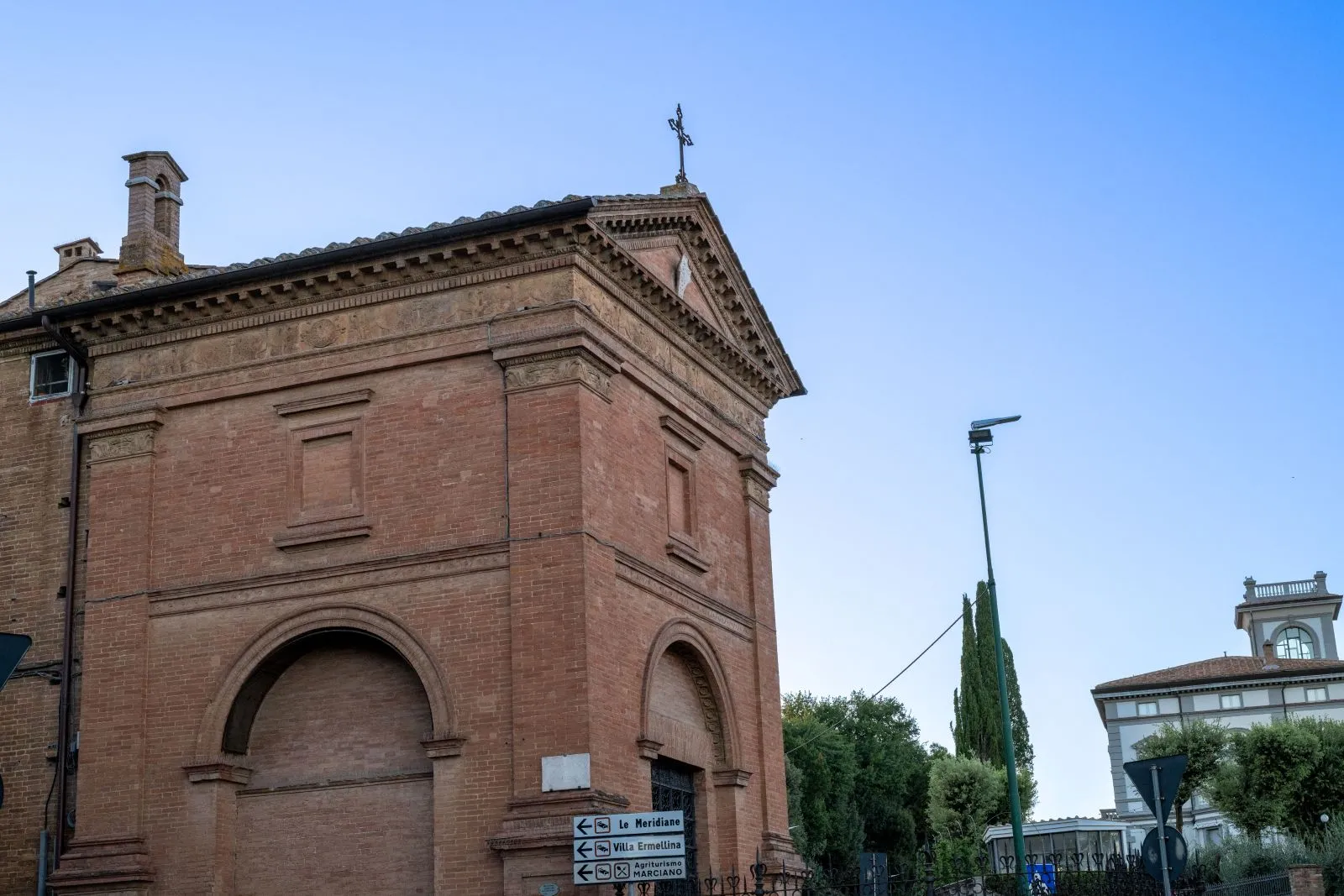
The palace houses a small chapel, attributed to Antonio Federighi and Giulio Rossi, which testifies to the artistic relevance of the building. Although not a museum nor open for visits inside, the Palazzo Diavoli remains a monument of great historical and architectural charm, visible from the outside and immersed in a context that evokes the medieval charm of Siena.