Origins and legends of the Balzana
The most beloved legend tells that the two colors derive from the black smoke and the white ash of the sacrifices offered by Senio and Ascanio, the mythical founders of the city, during their journey after fleeing from Rome.
Another tradition links the Balzana to the Capitoline wolf: Senio and Ascanio, sons of Remus, brought with them the symbol of the wolf and chose black and white as a reference to their Roman origins.
The meaning of the colors
The historical version interprets the Balzana as a political and moral symbol. The white represents peace, purity, and justice; the black represents strength, the memory of difficulties, and the determination of the Sienese people.
Its strength lies precisely in the duality: light and shadow, harmony and contrast, past and future. Two colors that coexist without blending, like two souls capable of forming a single identity.
A symbol that has remained unchanged over the centuries
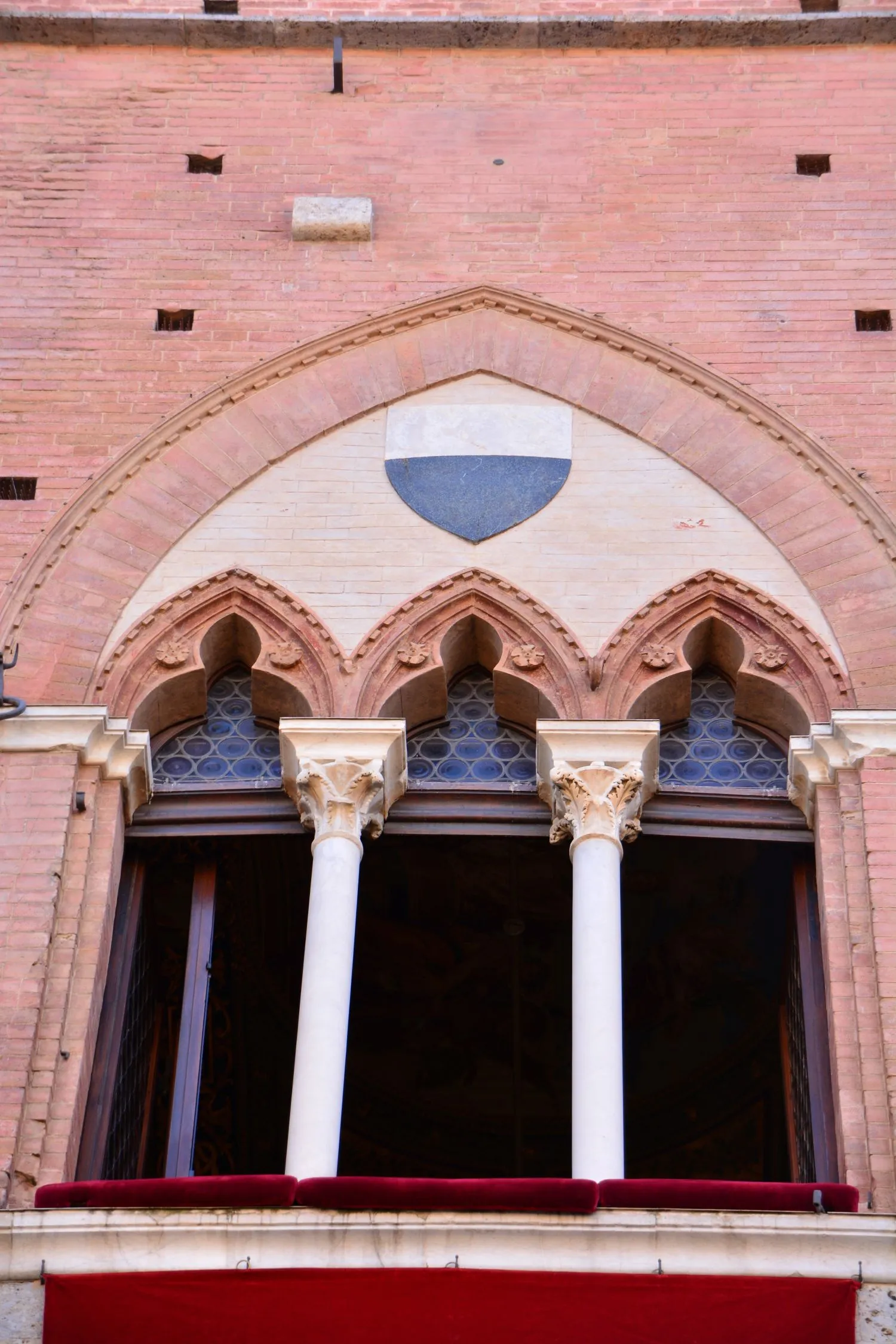
The Balzana appears in municipal coats of arms as early as the 13th century, quickly becoming the official mark of the city and its institutions. It is one of the very few medieval symbols that have remained unchanged over the centuries, capable of crossing wars, revolutions, and renaissances without losing its meaning.
Even today, it is the official symbol of the Municipality of Siena, recognized worldwide as the emblem of the city.
Where to see the Balzana in Siena
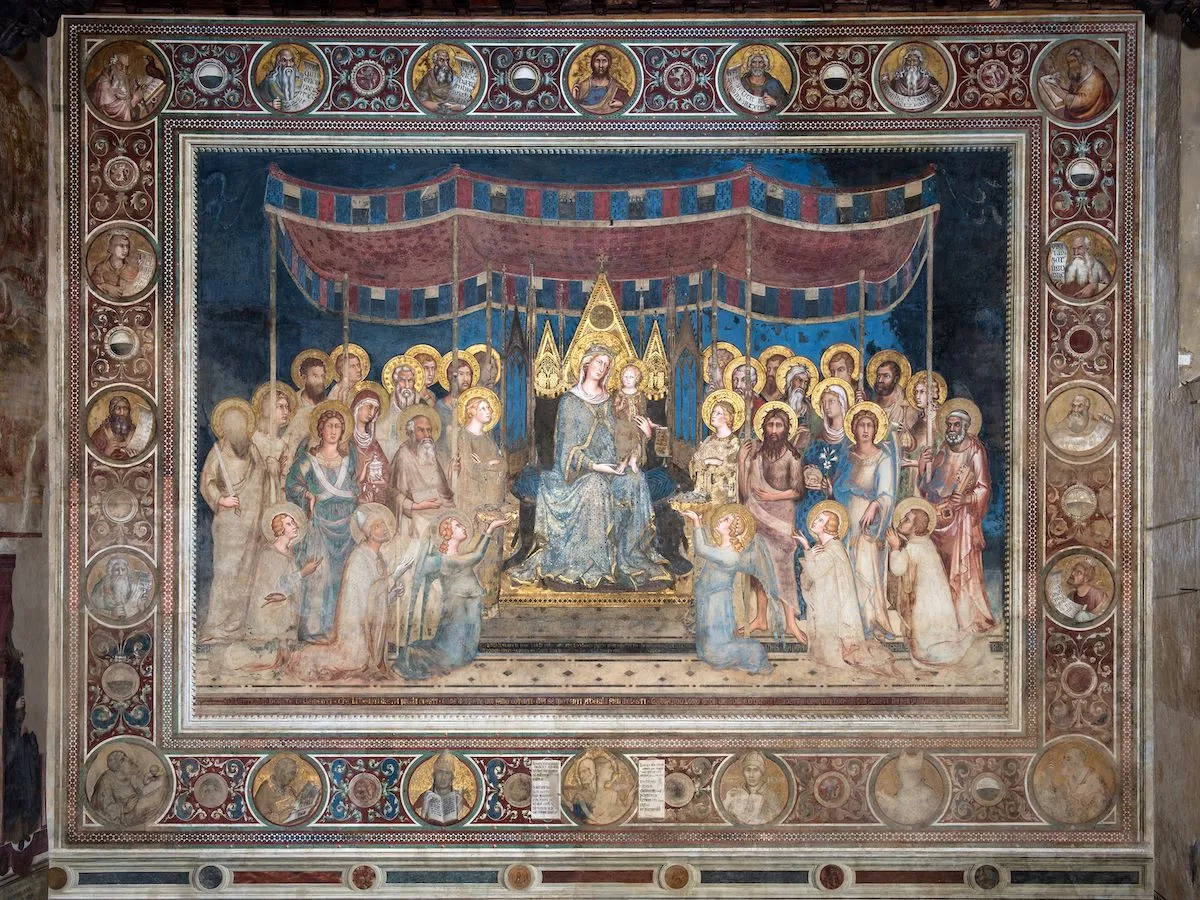
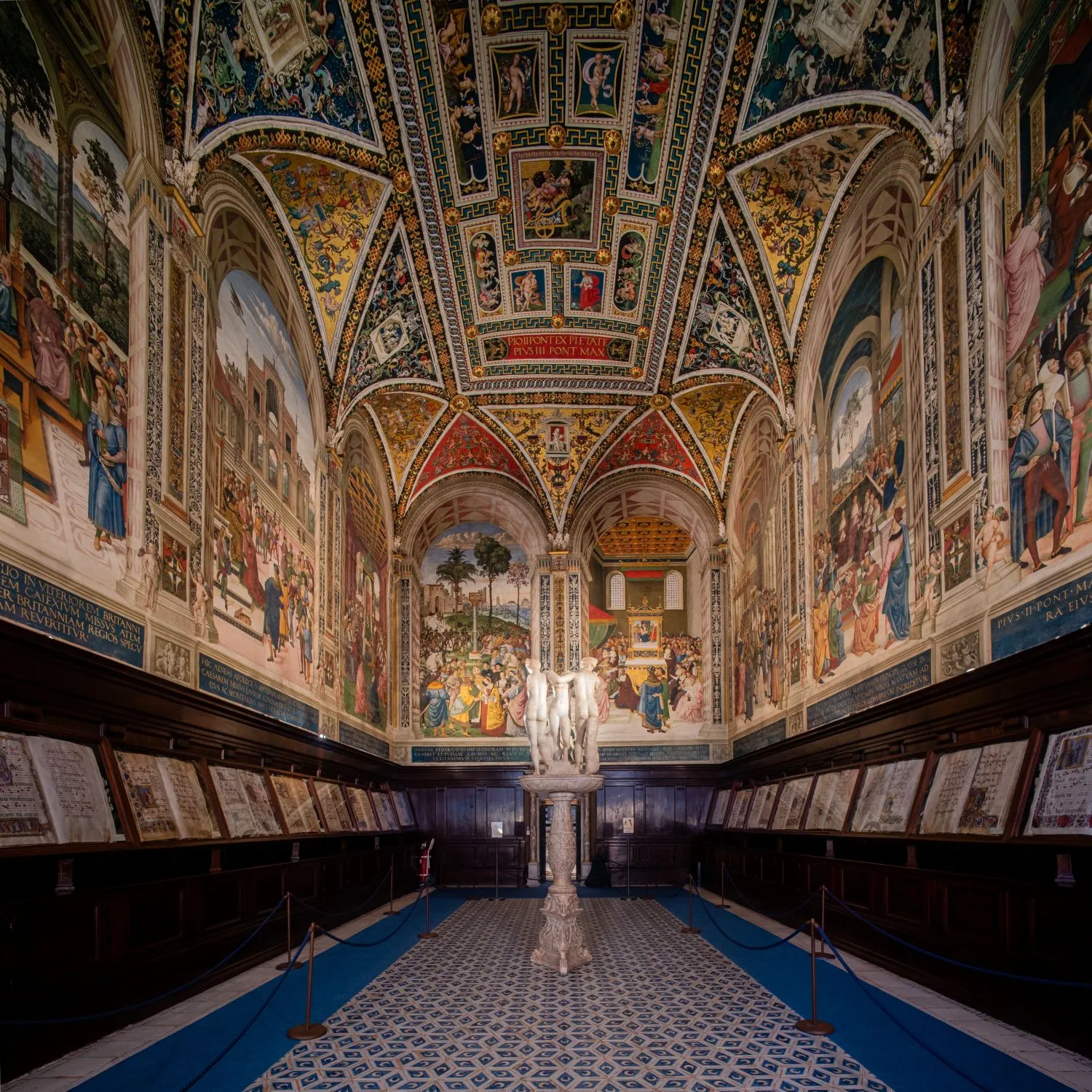
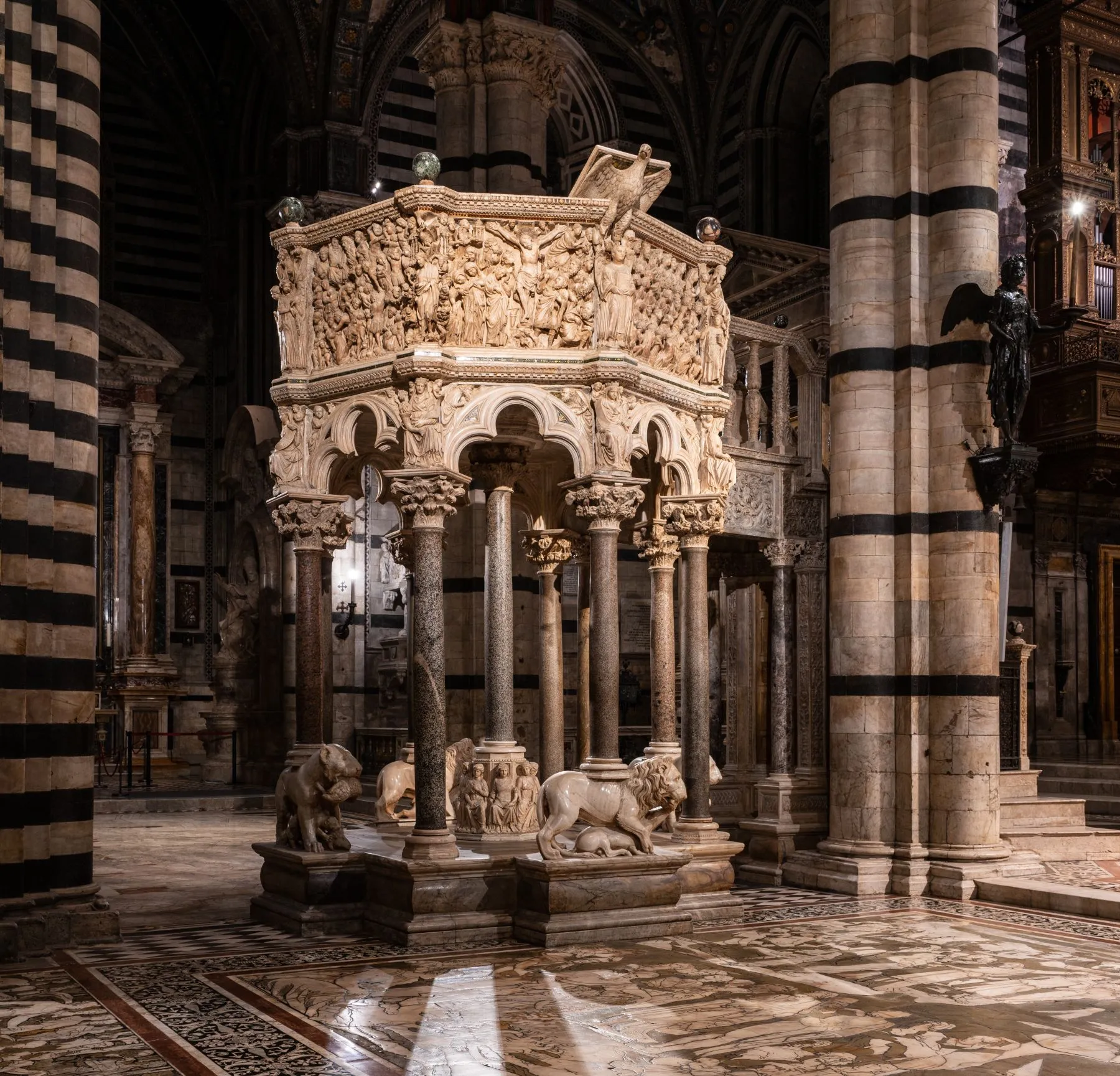
Those who visit Siena encounter the Balzana everywhere: on the medieval doors welcoming those entering the city, on historic buildings, in the decorations of the Cathedral, on the flags of the Palio, in the marbles of the fountains, and even in the stones of the streets.
During the Palio, the Balzana dominates Piazza del Campo: it waves on the banners of the historical parade, on costumes and armor, reminding everyone of the belonging to a common history and identity.
The Balzana and Sienese identity
For the Sienese, it is not just a coat of arms: it is a sign of deep identity, an emotional bond with their land, their history, and their community.
Those who visit Siena encounter it everywhere, but above all, they feel it: in the rhythm of the alleys, in the red of the bricks, in the silence of the churches, and in the song of the Contrade.