
Discover Art and Heritage of Siena
Il Campo, 1
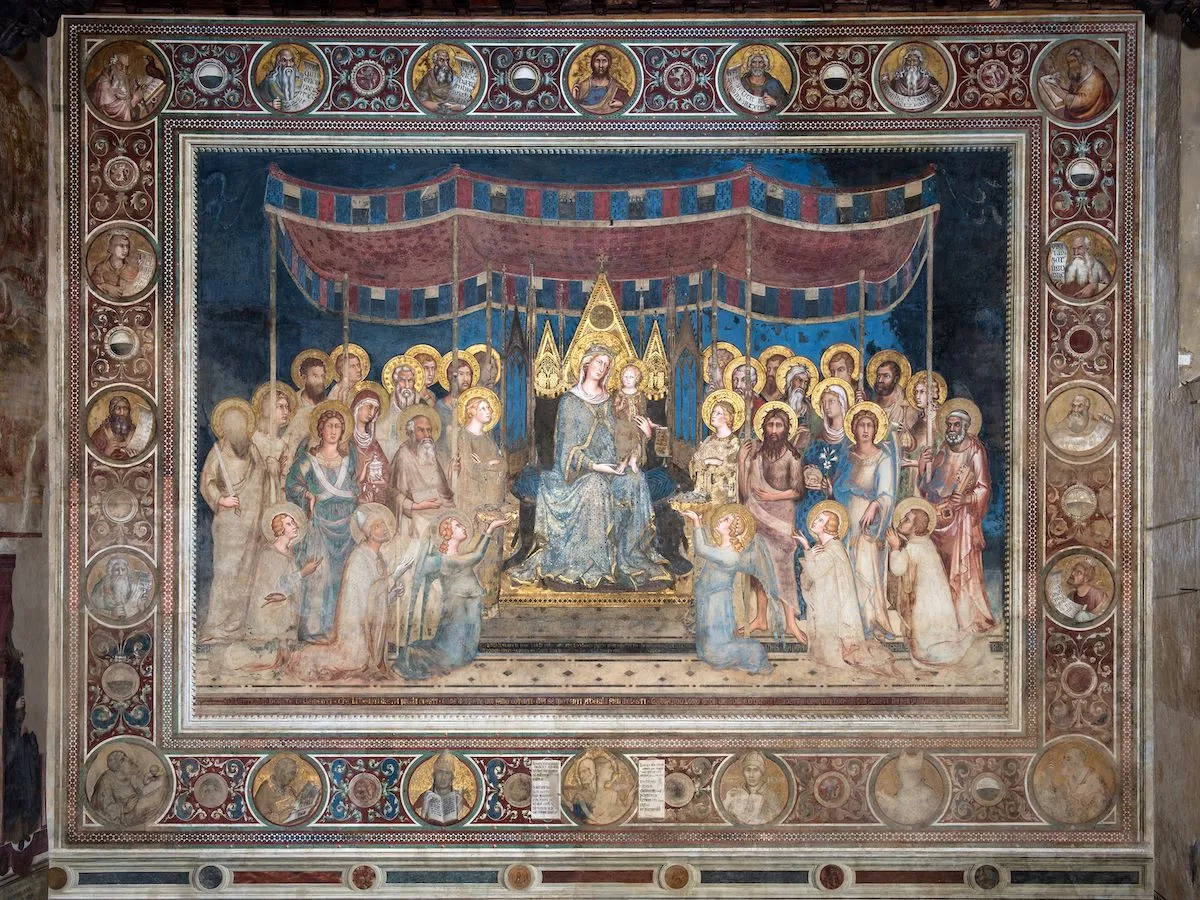
La Maestà di Simone Martini
Simone Martini's Maestà is one of the absolute masterpieces of European Gothic painting: painted in 1315 in the Sala del Mappamondo of the Palazzo Pubblico, it depicts a Madonna who is not only a celestial protector, but also an advisor to rulers and a symbol of justice. A work that still takes your breath away today.
Duomo di Siena
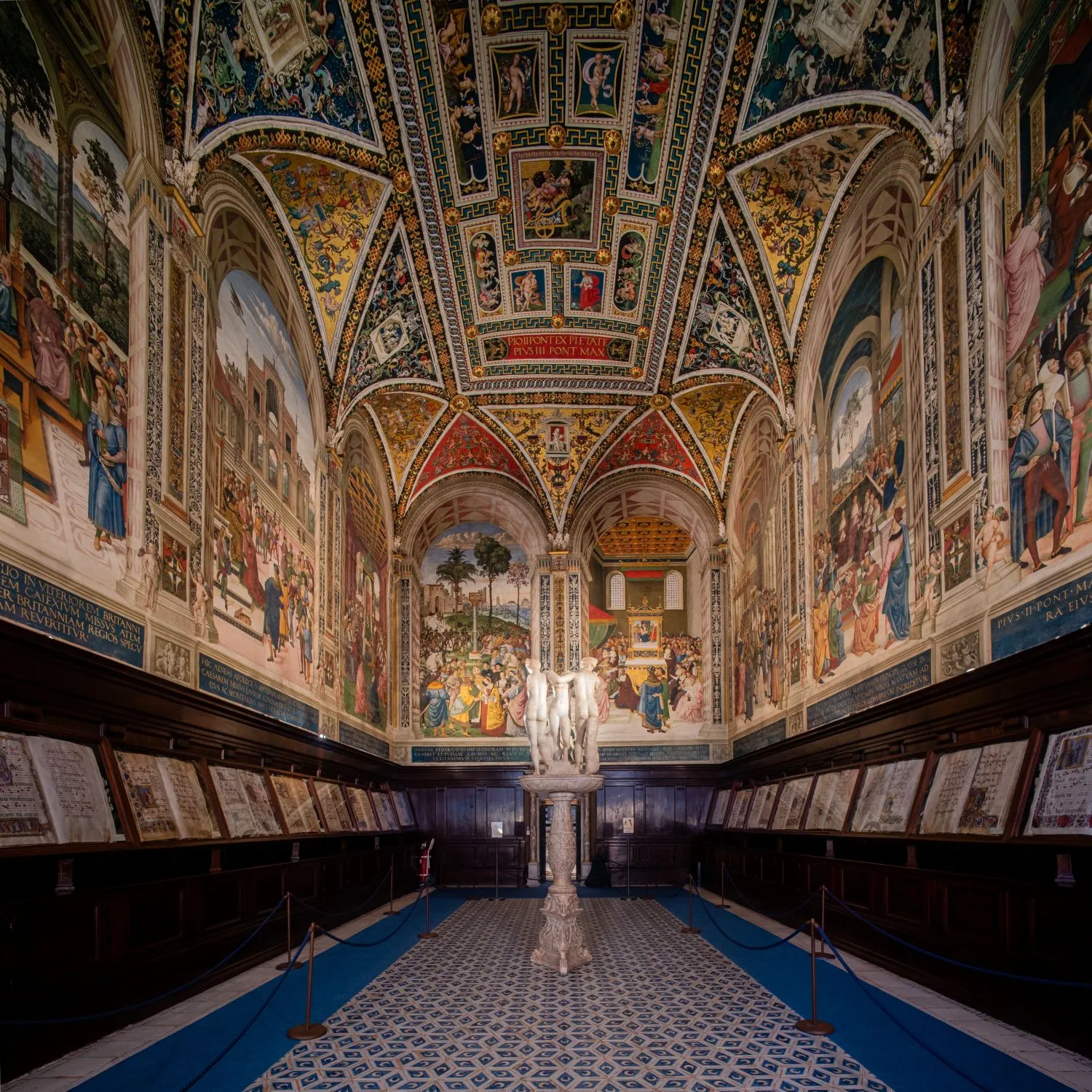
Libreria Piccolomini
There are places you don't expect. The Piccolomini Library is one of them: a Renaissance jewel hidden along the left aisle of the Siena Cathedral, which suddenly reveals itself as a world of its own, suspended, luminous, extraordinarily intact. Entering the library means stepping out of the Gothic Cathedral and immersing oneself in a universe of color, light, and pictorial narrative that has amazed the world for over five hundred years. It is indeed one of the best-preserved Renaissance environments in Italy.
Piazza del Duomo
Pavimento del Duomo
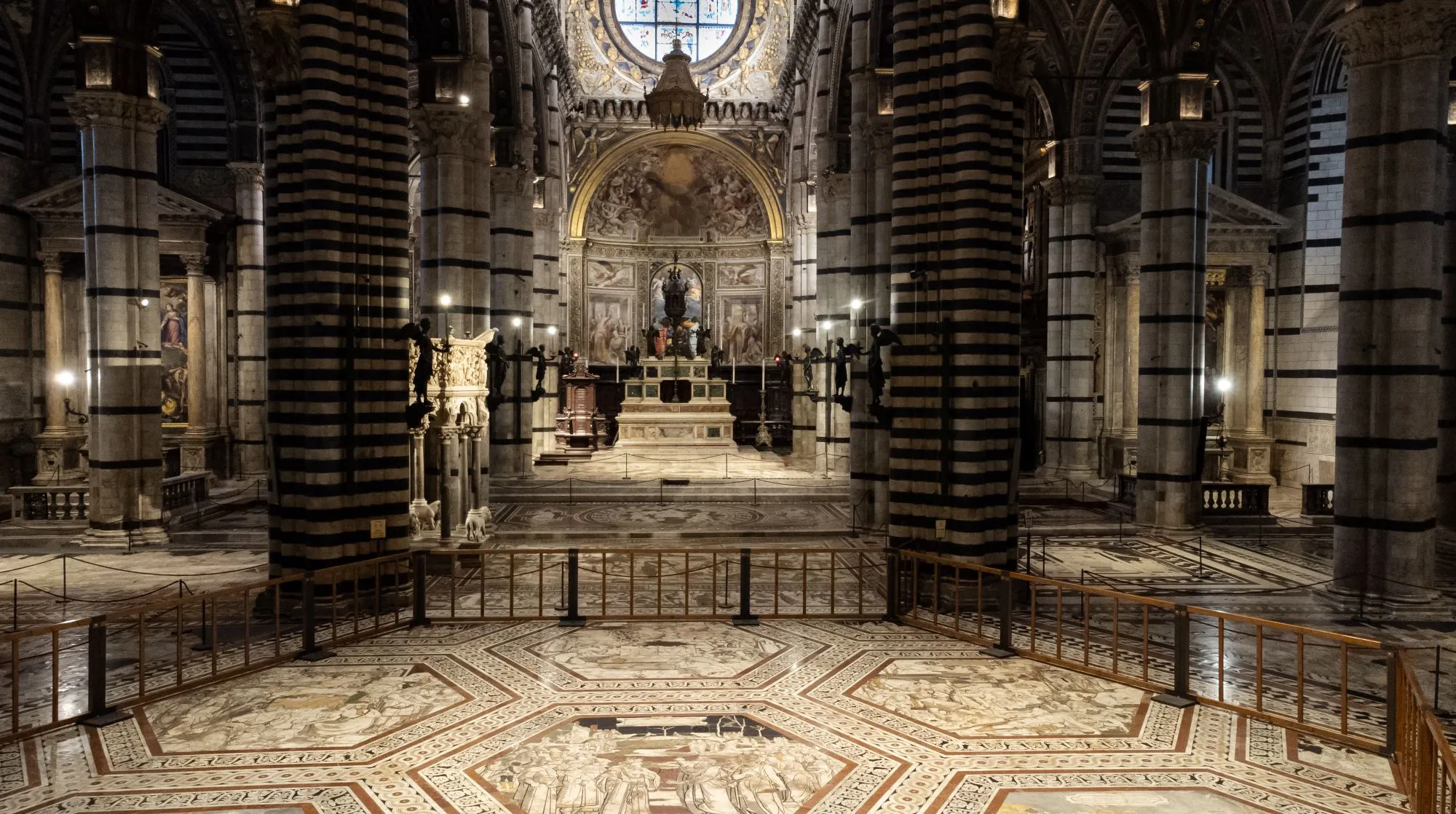
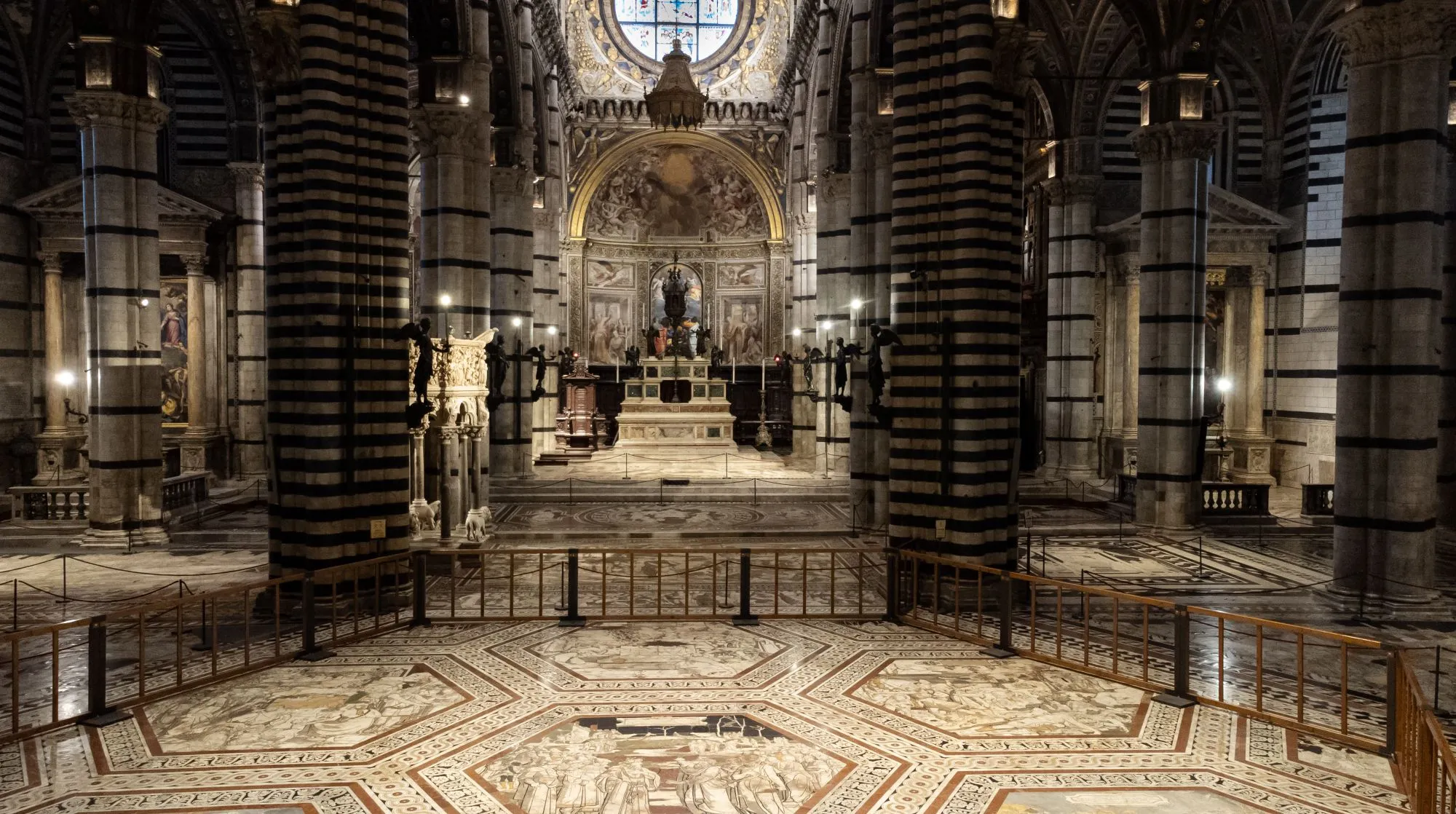
Imagine a book. Not made of paper, but of marble. Not written with ink, but inlaid with the patience of generations of artists who worked for over five centuries on a single, extraordinary collective project. The floor of the Siena Cathedral is this: an absolute masterpiece of Italian medieval and Renaissance art, a symbolic path that unfolds beneath the visitor's feet like a carpet of history, faith, and beauty unparalleled in the world. No other floor in the world tells so much. No other demands so much attention from those who tread upon it.
Piazza del Campo
Cappella di Piazza
The Chapel of the Piazza in Siena is a place rich in history, art, and devotion, with frescoes, Renaissance sculptures, and centuries-old traditions that make the Palazzo Pubblico unique.
Piazza del Duomo
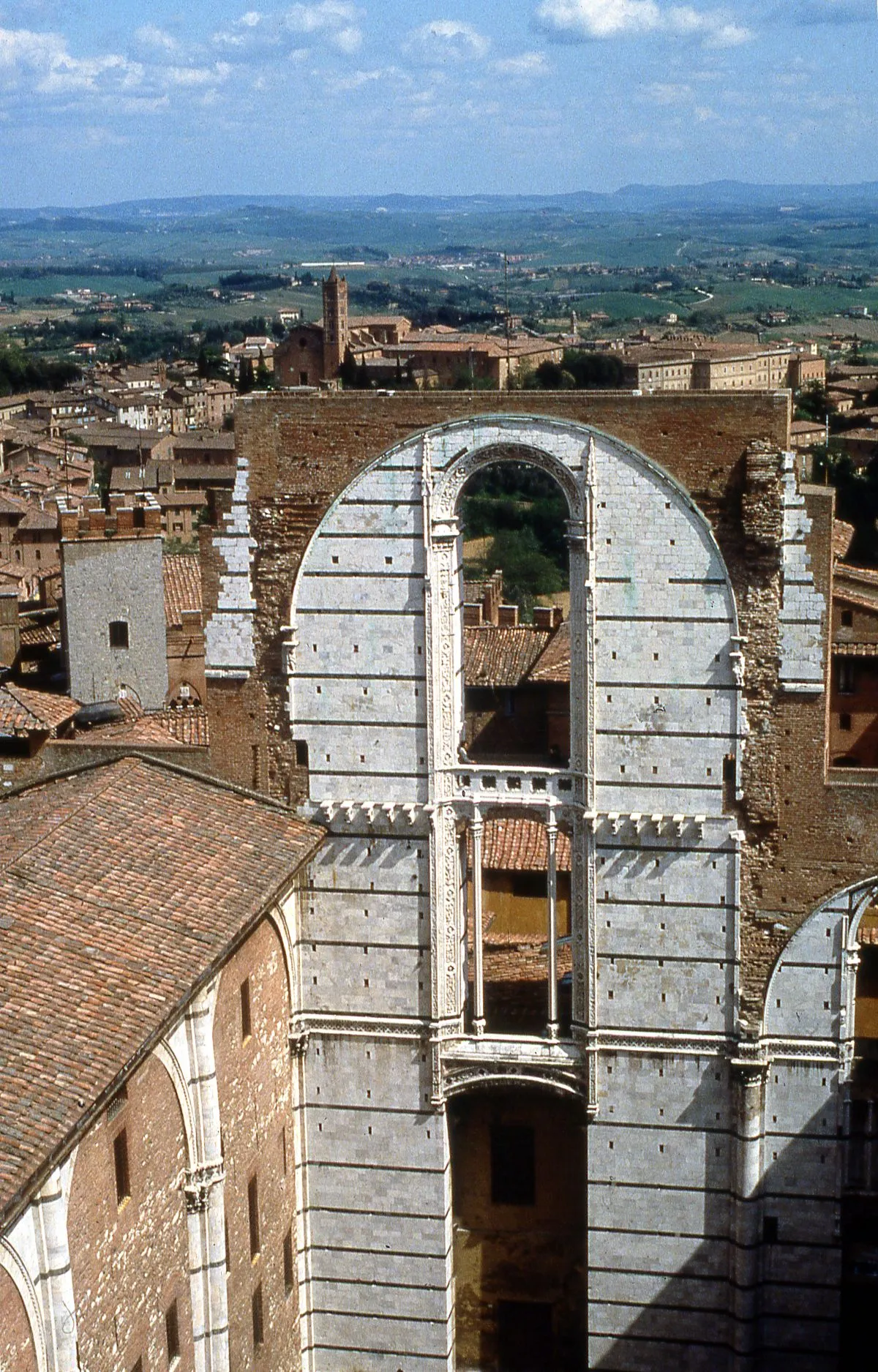
Facciatone
The Facciatone of the Siena Cathedral tells the grand project of the New Cathedral: an ambitious dream halted by history, now one of the most evocative places in the city.
Duomo di Siena
Porta del Cielo
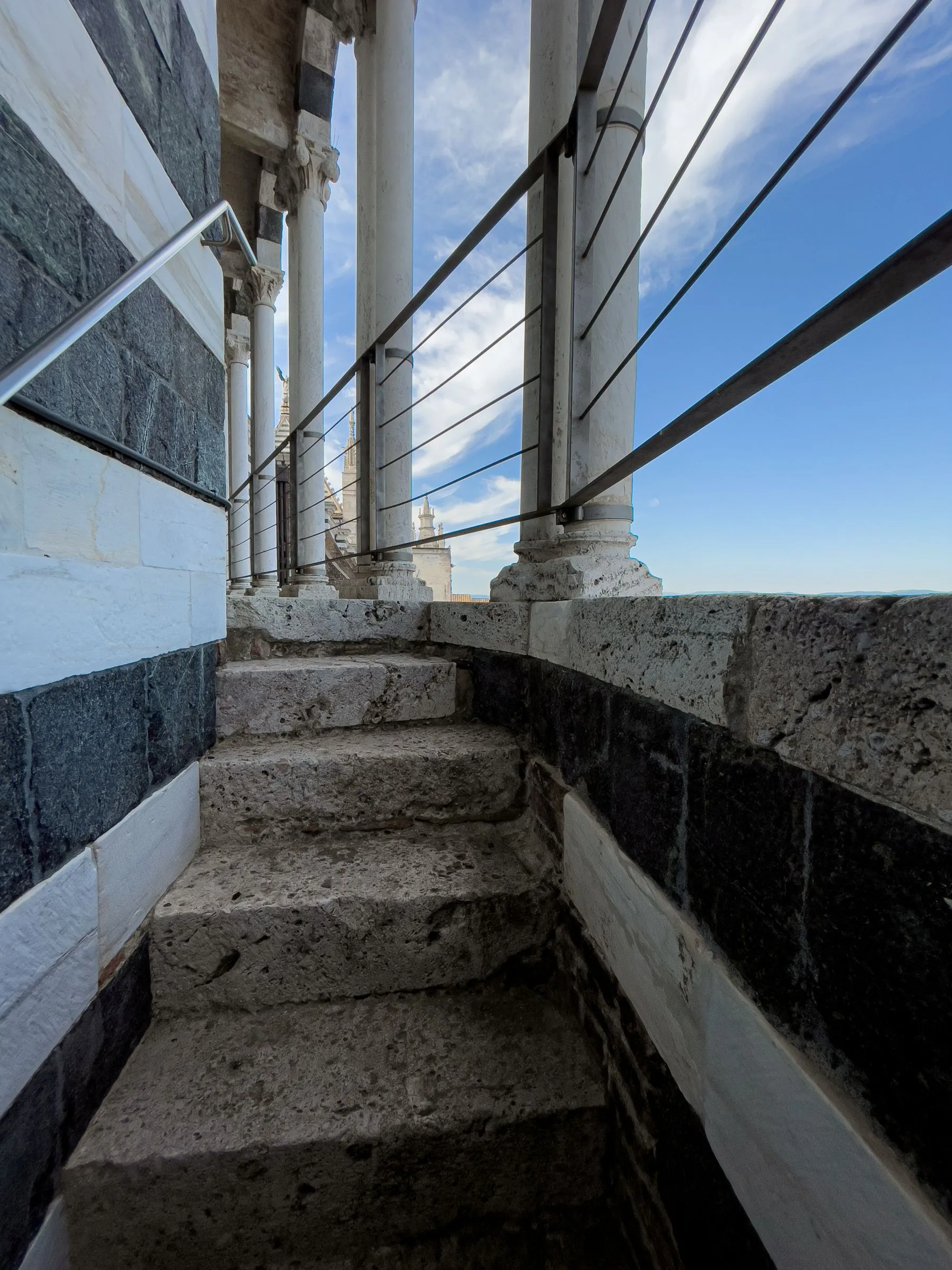
Admiring Siena from the sky is not a dream: with the Gateway to Heaven you can climb above the vaults of the Cathedral and view the city from a perspective that has remained hidden for hundreds of years. It is an exclusive path that allows access to the heights of the Siena Cathedral, among attics, walkways, and panoramic views that have been closed to the public for centuries.
These spaces were used only by the craftsmen and architects who built and maintained the Siena Cathedral over time, and they were never intended to be accessible to everyone.
Piazza del Duomo, 1
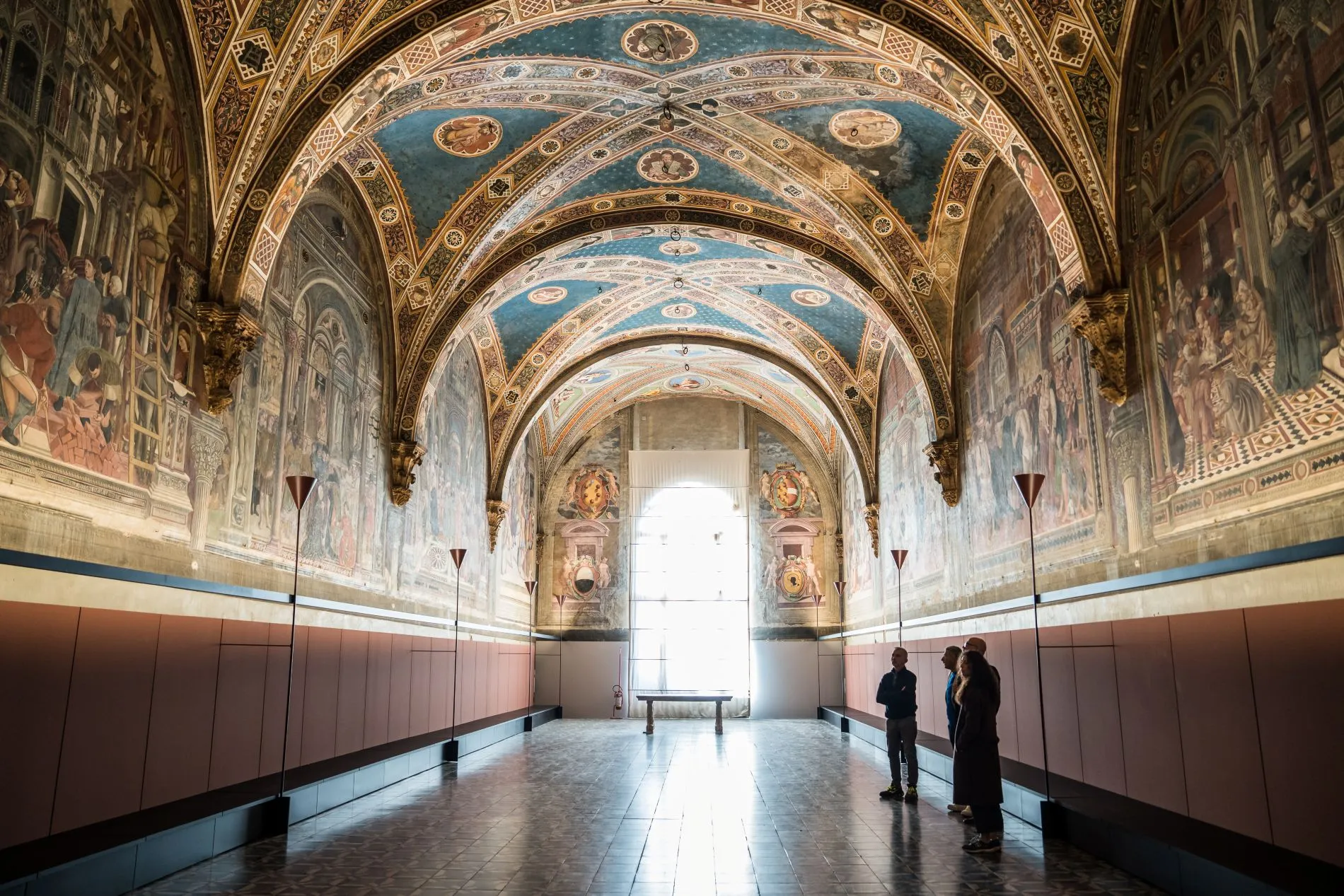
Sala del Pellegrinaio
Discover the Sala del Pellegrinaio in Siena, in the Santa Maria della Scala Museum Complex: frescoes, medieval healthcare, and the history of hospitality.
via della Sapienza, 5
Bottini
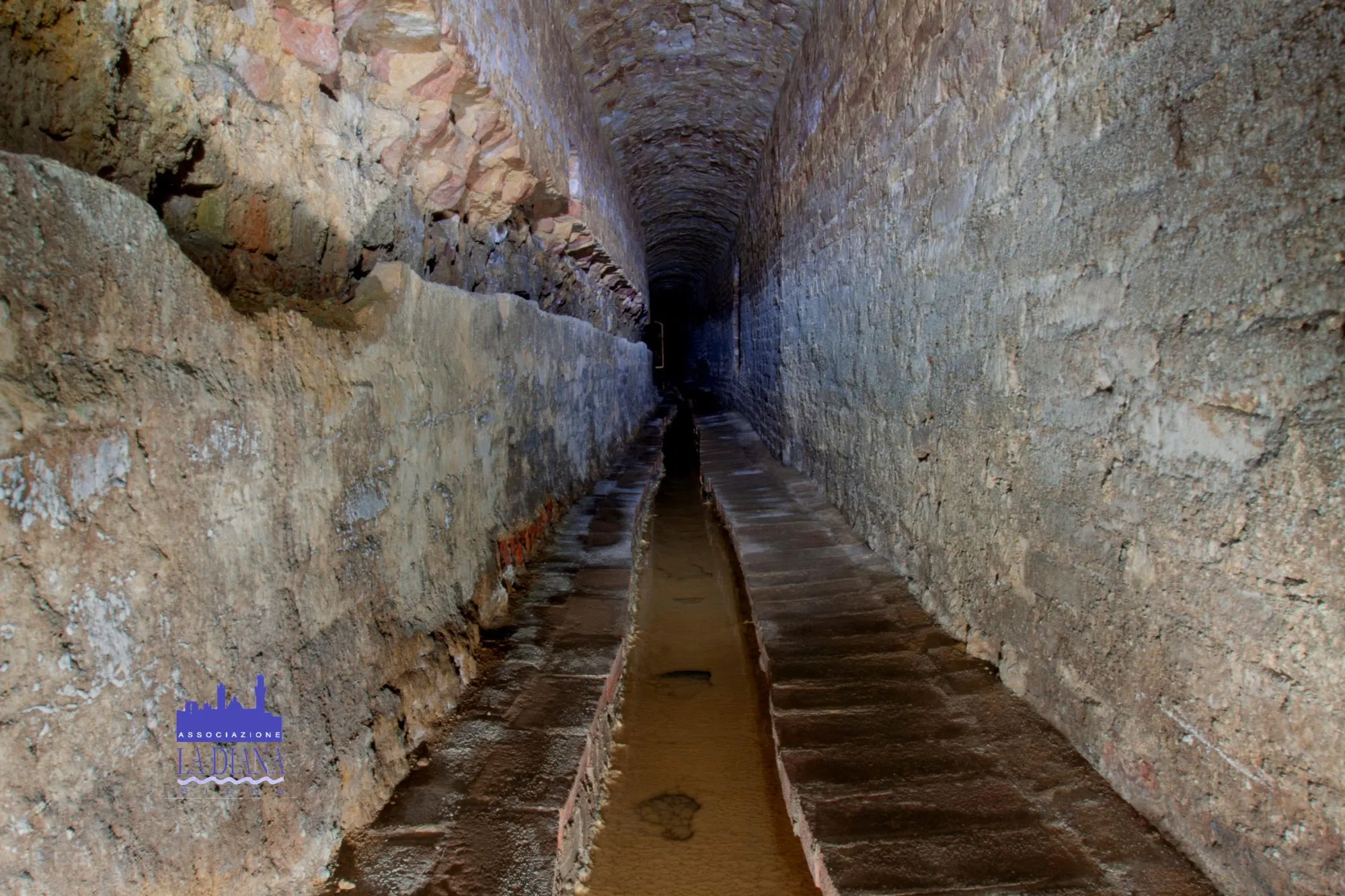
Under the streets of Siena lies another city: silent, cool, traversed by water and memory. The Bottini of Siena are the hidden face of the historic center, an underground world where water has flowed for centuries like an ancient whisper.
Entering them means discovering a secret and surprisingly vibrant Siena. The galleries, hand-carved in tuff since the Middle Ages, are a masterpiece of hydraulic engineering, built by the Sienese with patience and ingenuity.
Piazza del Duomo
Altare Maggiore
Discover the High Altar of Siena Cathedral, a Renaissance masterpiece by Peruzzi, Martini, and Vecchietta: bronzes, marble, and sacred history in an unforgettable experience.
Via della Galluzza
Archi della Galluzza
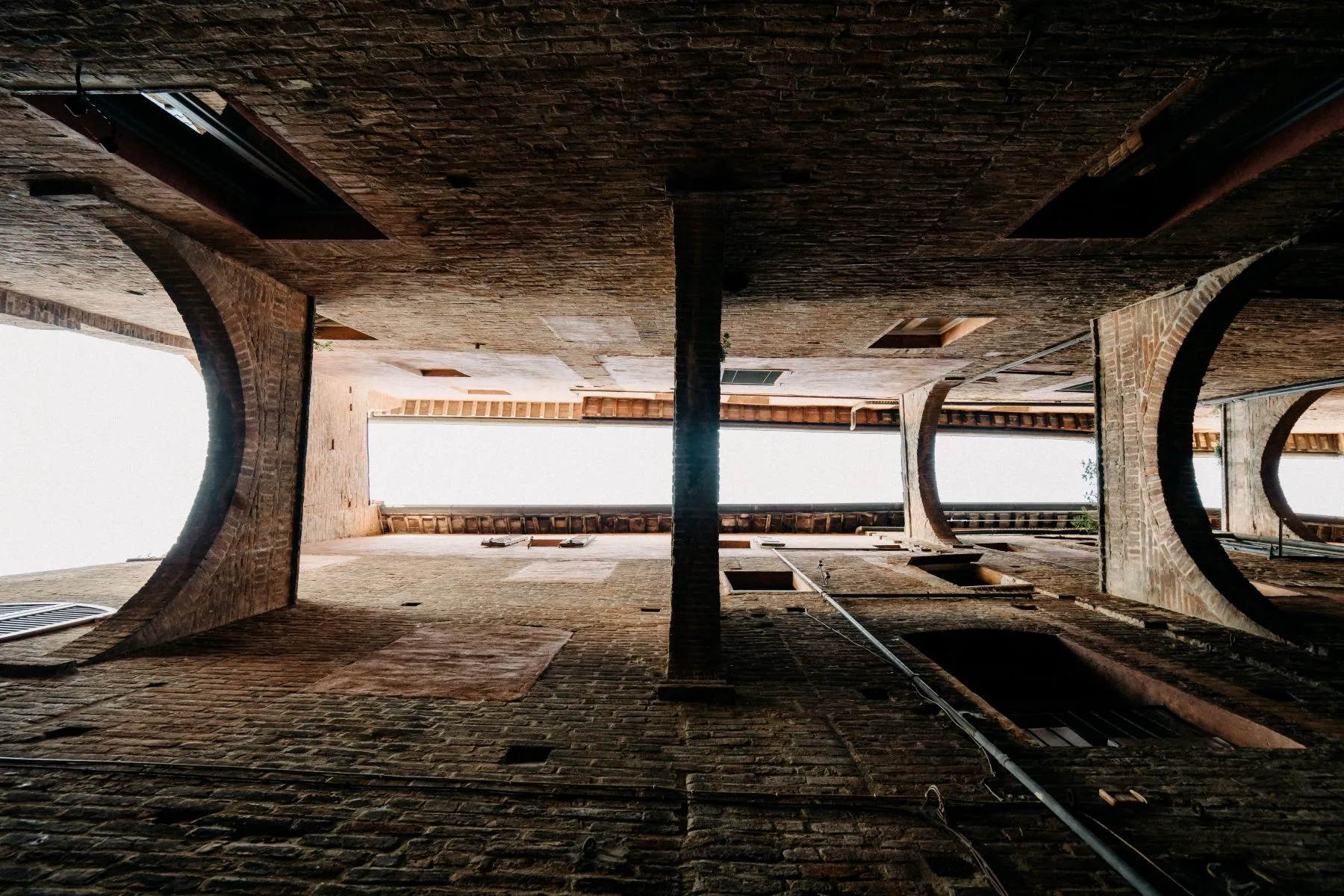
The Galluzza Arches are a unique corner of Siena, nestled among 19th-century arches, medieval traces, and an authentic atmosphere.
Palazzo Pubblico
Cortile del Podestà
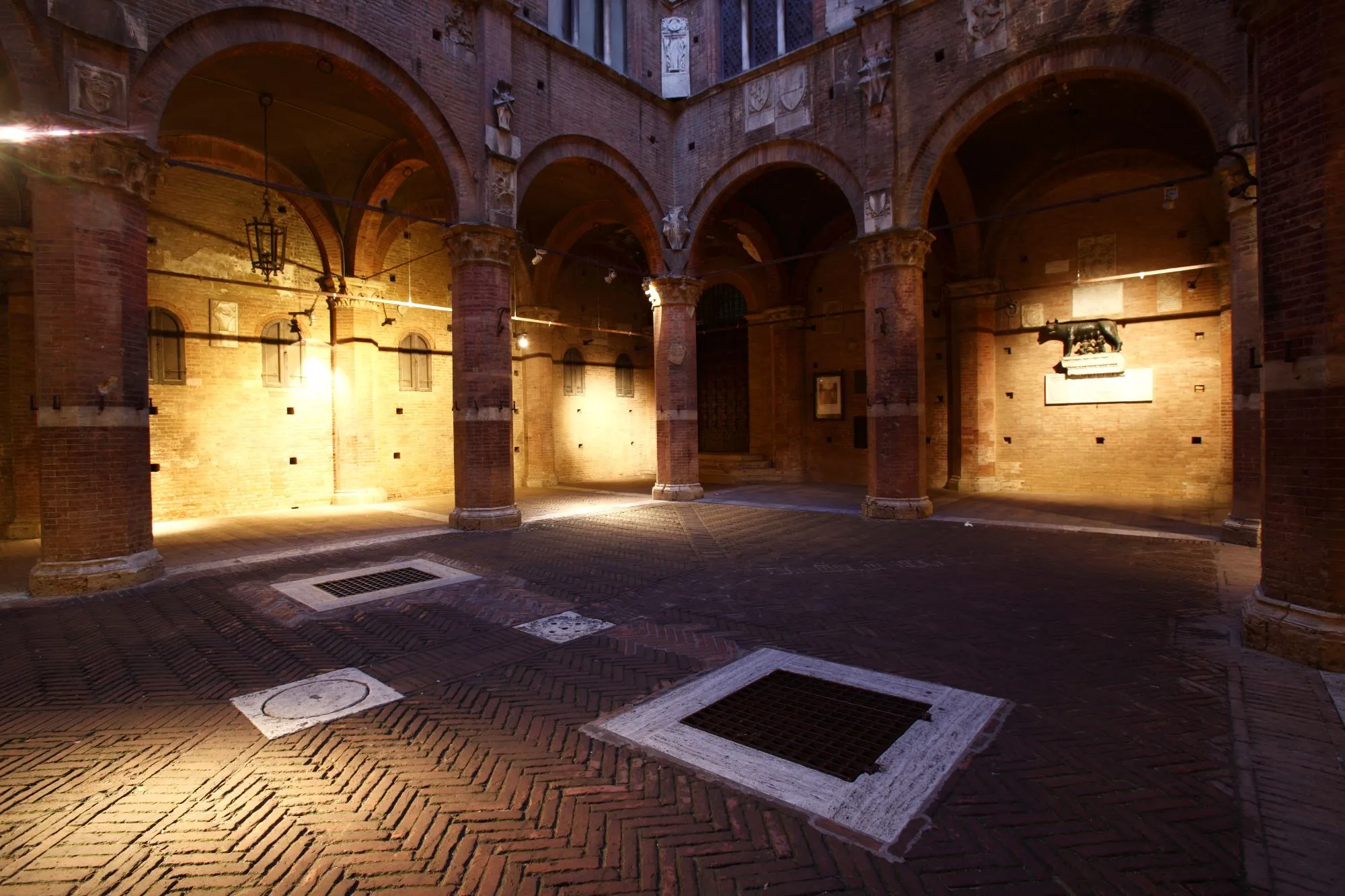
There are places that seem frozen in time but vibrate with history at every step. The Cortile del Podestà, also known as Entrone, is one of these: the inner heart of Palazzo Pubblico, a cozy and almost intimate space that surprises those who reach it for the first time. Above it, imposing and silent, rises the Torre del Mangia, like a stone guardian watching over for seven centuries. Around it, the elegant arches, the warm bricks, the carved stones of a Siena that knew how to make civic beauty a form of power. Here, under these arches, the history of an entire city has passed.
Piazza del Duomo, 8
La Maestà
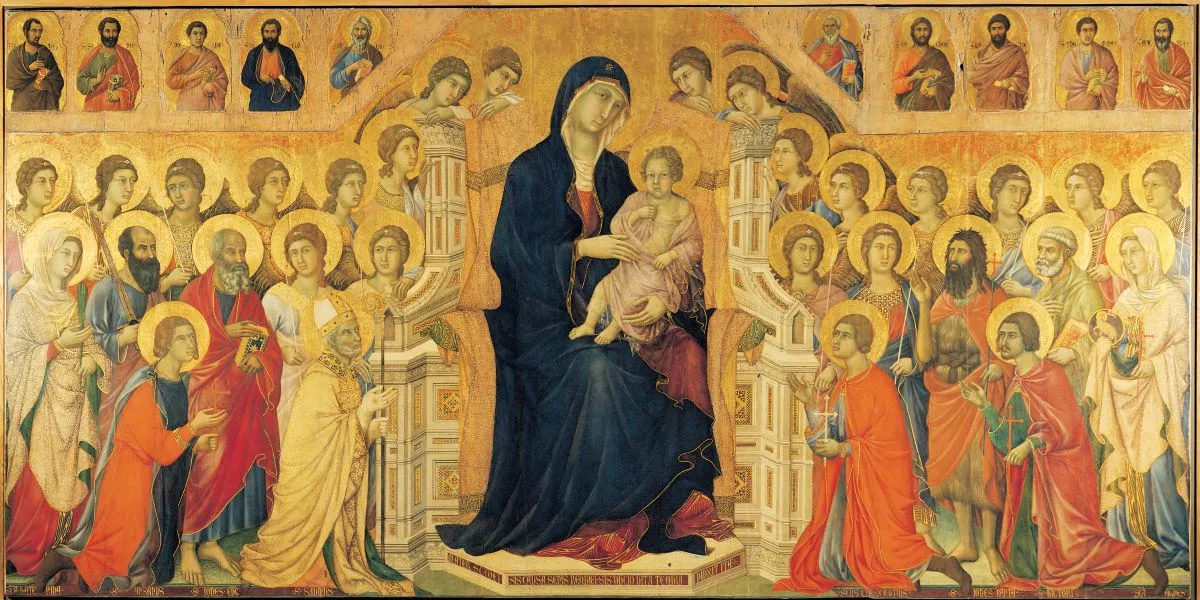
On June 9, 1311, Siena stopped. The shops closed, the bells rang, and people took to the streets. A moved crowd of merchants, nobles, friars, and children formed a procession that flowed through the city like a slow and solemn river. At the center of it all, carried on shoulders like a queen, was she: the Maestà by Duccio di Buoninsegna. A painting that entered the Cathedral and into history. Forever. That day was not simply the inauguration of a work of art. It was the consecration of an identity.
La loggia dei Nove
Loggia dei nove
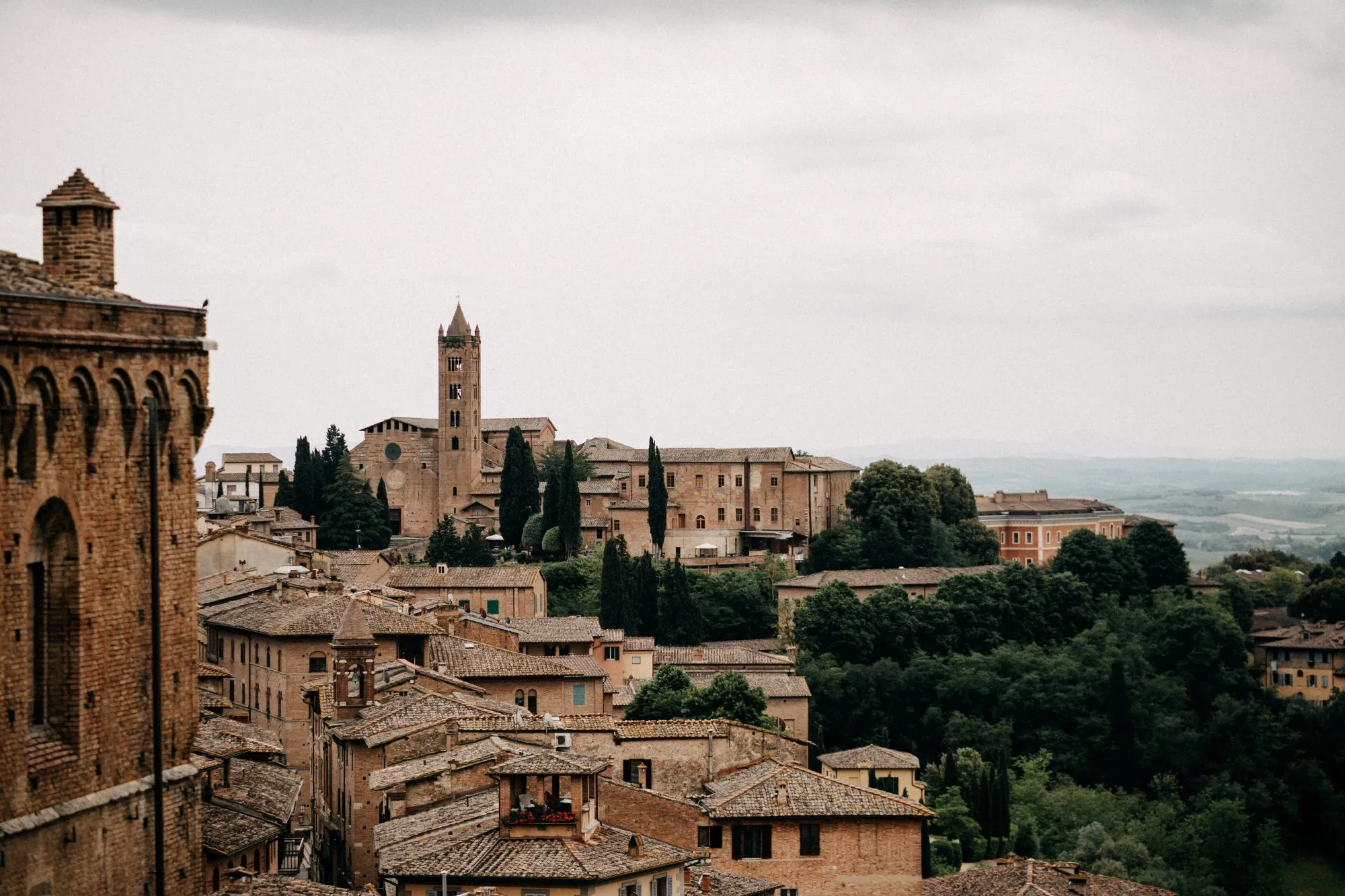
The Loggia dei Nove is one of the most breathtaking corners of Siena's Palazzo Pubblico: Gothic arches, a view of Piazza del Mercato and the Tuscan hills, history, and silence. A place suspended between medieval power and eternal beauty.
Piazza San Francesco, 9
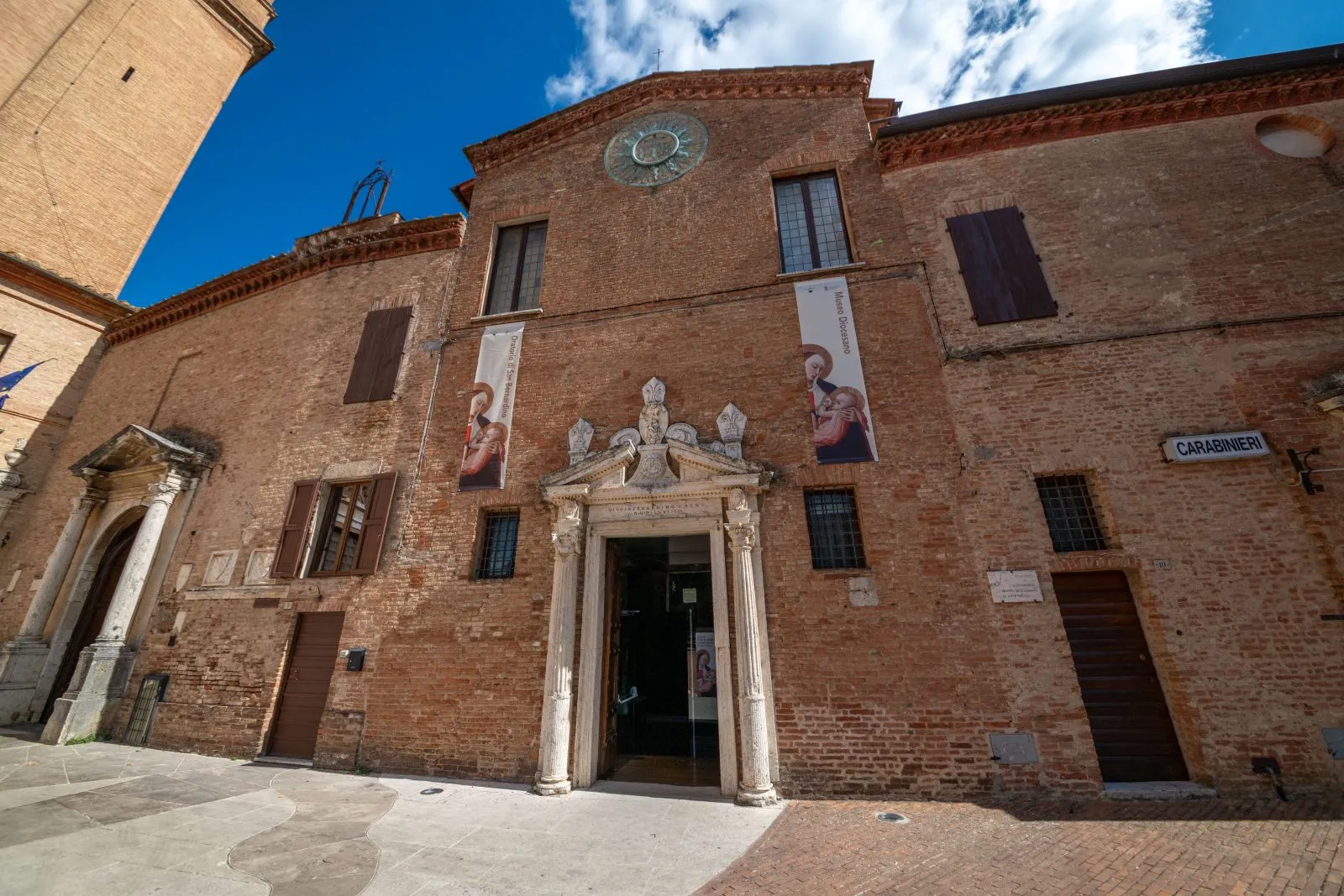
Oratorio di San Bernardino
There are places where faith does not remain silent, but becomes narrative, image, and civil memory. The Oratory of San Bernardino was born to safeguard this voice: the message of civil peace brought by the saint from Siena, who preached in the squares showing the tablet with the trigram JHS, the name of Jesus.
It is said that after his sermons, rival families and political factions symbolically laid down their arms and grudges. For Siena, San Bernardino is not just a saint: he is a civic symbol, linked to the idea of a city guided by shared moral values.
Piazza del Duomo
Oratorio di Santa Caterina della Notte
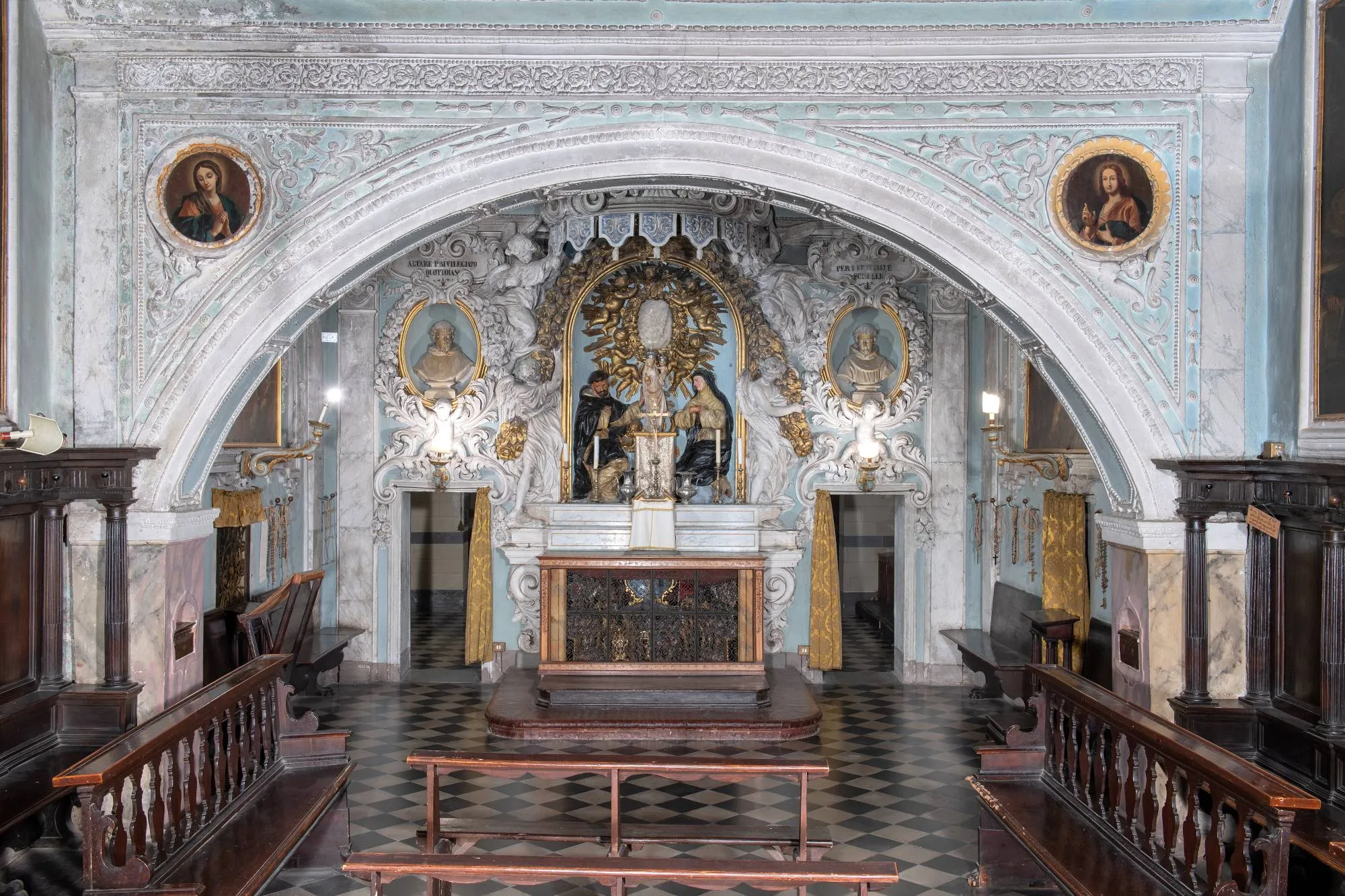
The Oratory of Santa Caterina della Notte is one of the most intense and mysterious places in Siena: hidden in the basement of Santa Maria della Scala, it houses medieval frescoes, Baroque furnishings, and the living memory of Saint Catherine. A place you sense before you even understand.
Piazza del Duomo
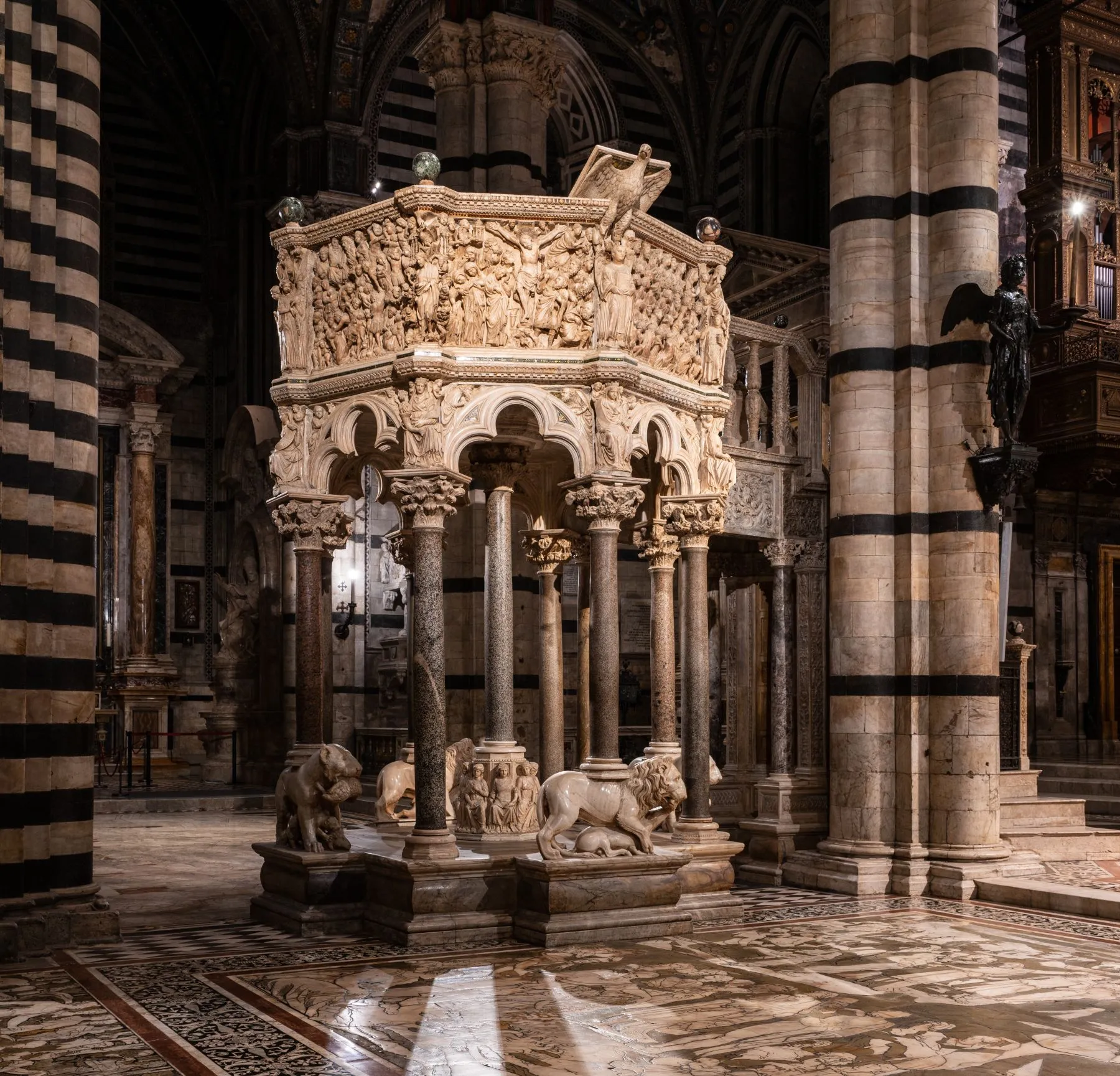
Pulpito del Duomo
The Pulpit of Siena Cathedral is one of the absolute masterpieces of 13th-century Italian sculpture: commissioned in 1265 from Nicola Pisano, it tells the story of salvation in marble with over 300 sculpted figures. A work that changed Italian art forever.
Piazza Il Campo 1,
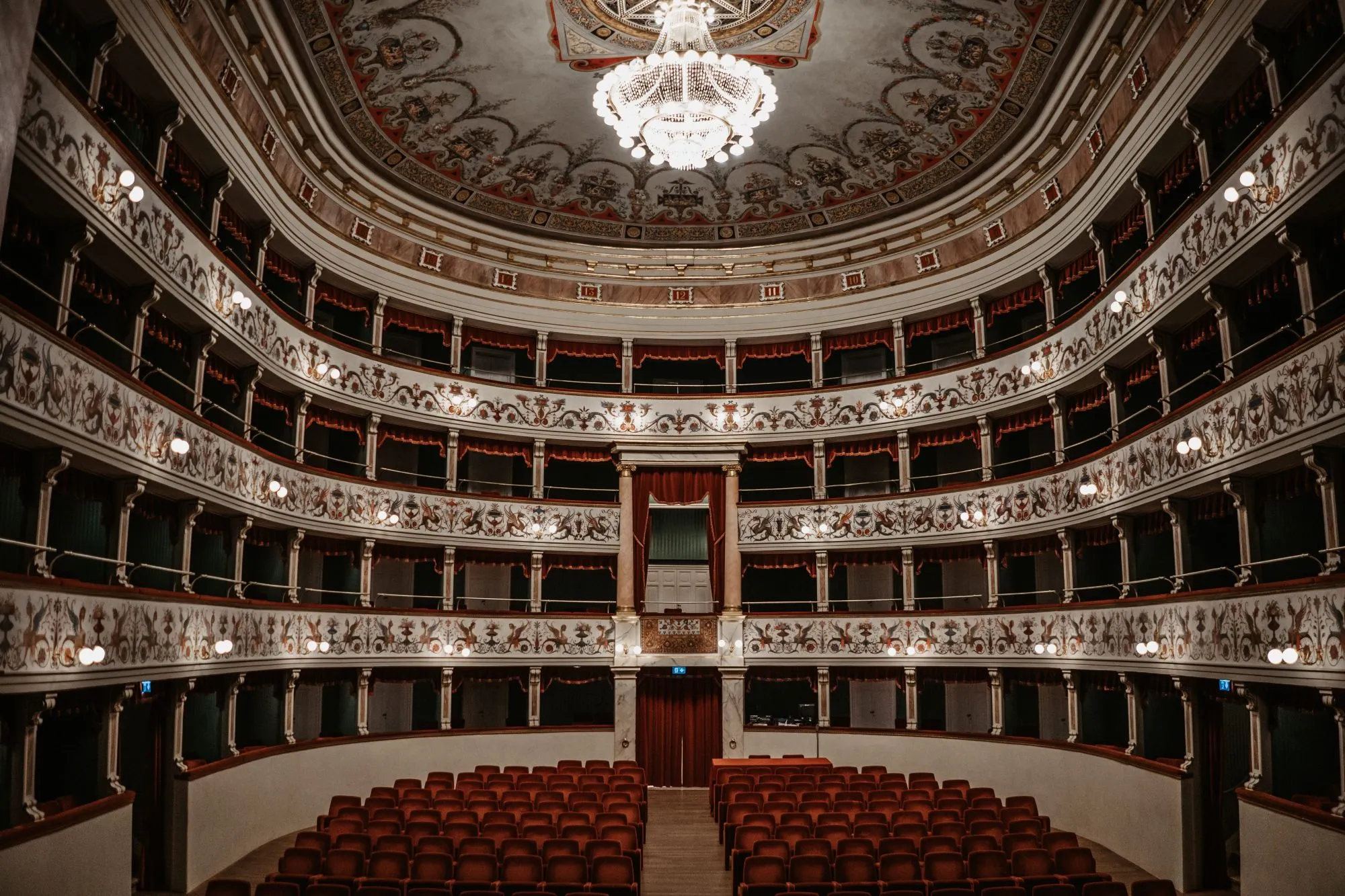
Teatro dei Rinnovati
The Teatro dei Rinnovati is located inside the Palazzo Pubblico, overlooking Piazza del Campo. Centuries of history, fires, restorations, and grand openings: one of Italy's most fascinating historic theaters, still alive and breathing.
Piazza Indipendenza, 15
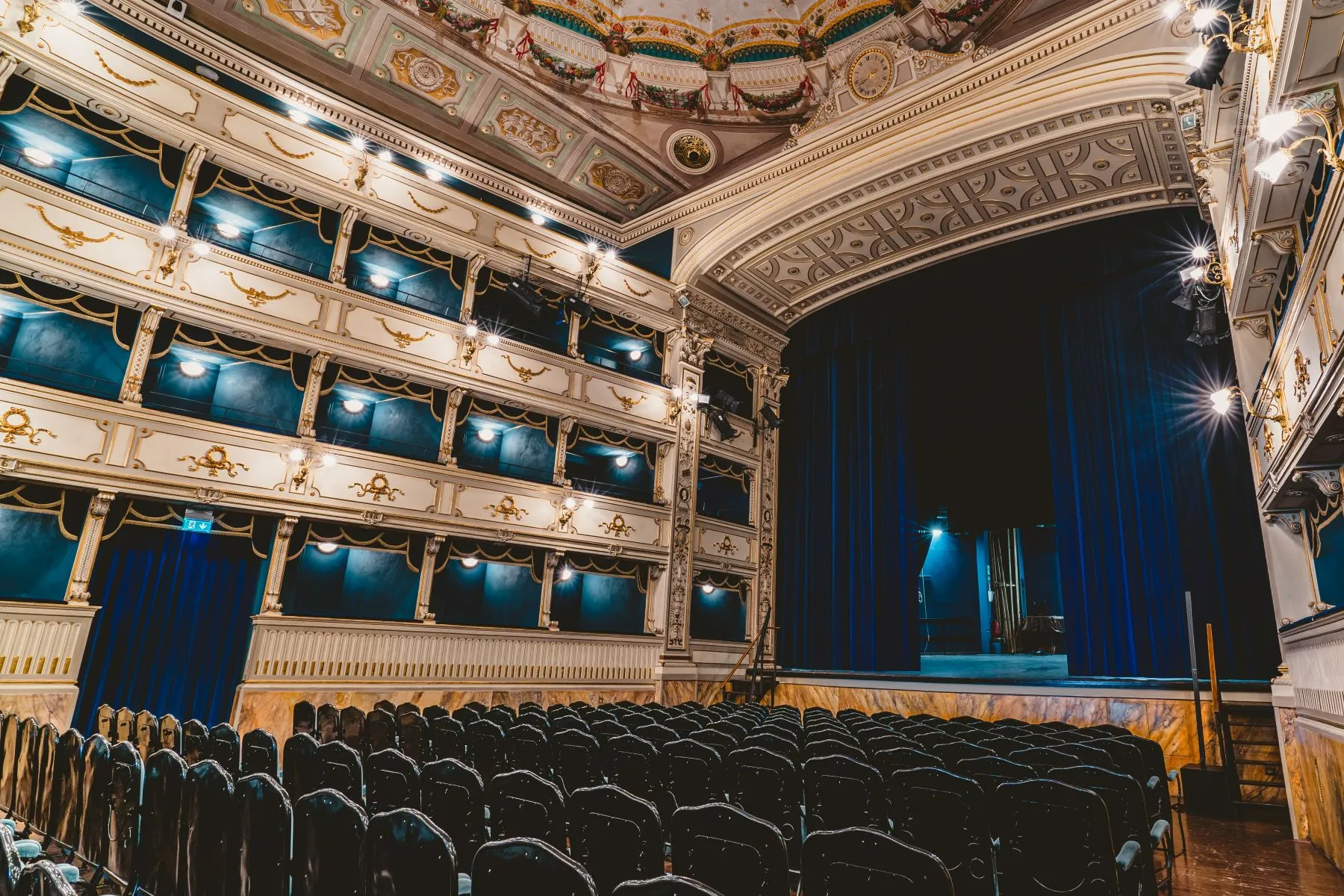
Teatro dei Rozzi
Siena's Teatro dei Rozzi has an extraordinary history: founded by a congregation of artisans in 1531, it is today one of Tuscany's most fascinating historic theaters. Three tiers of boxes, 499 seats, and centuries of culture, music, and theater.
Porta Cammolia
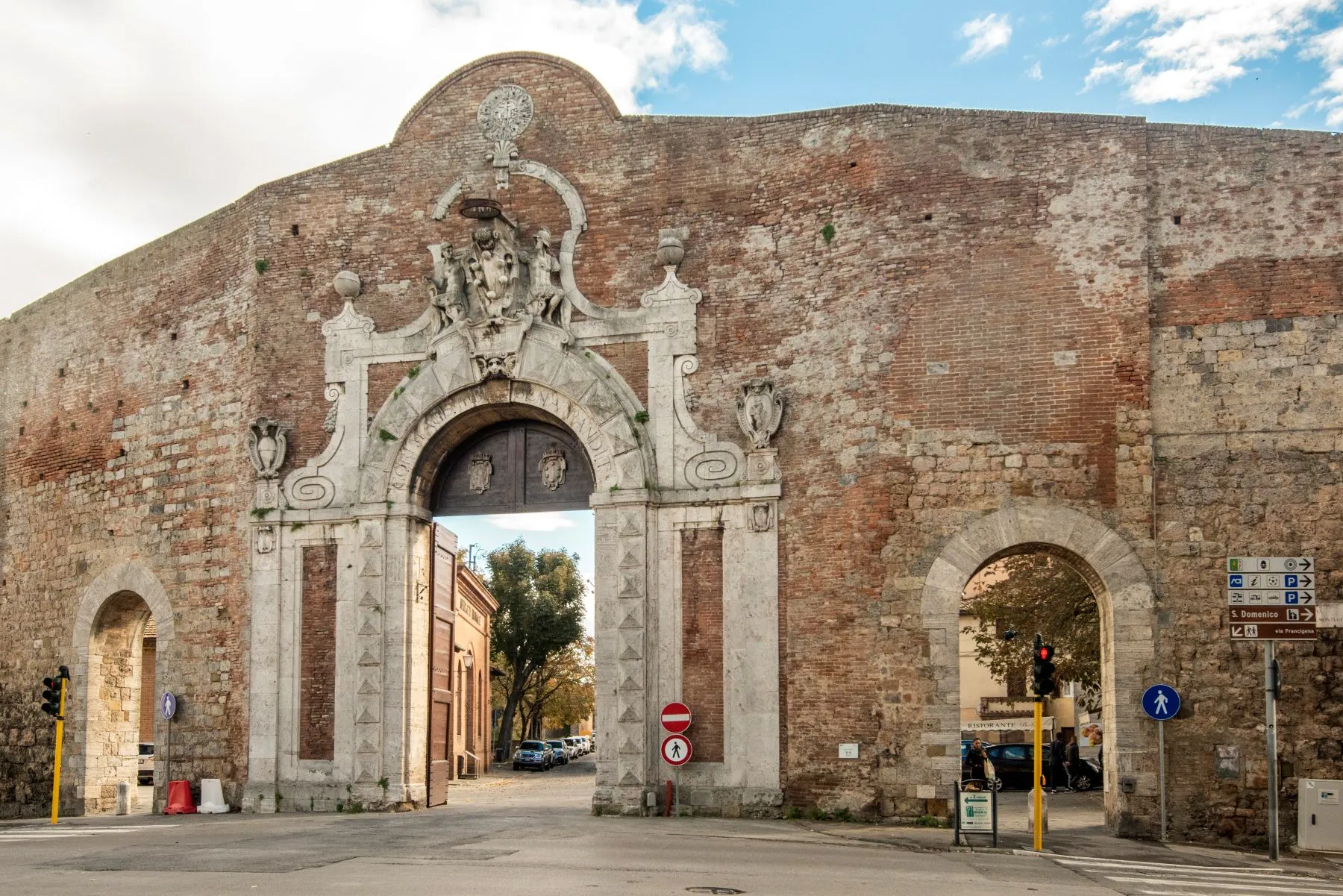
Porta Camollia
Porta Camollia is the most famous entrance to Siena: built in 1604, it bears the famous inscription "Cor magis tibi Sena pandit". Gateway of the Via Francigena, stage of historic battles and a symbol of Sienese hospitality. A place to cross at least once.
Porta Romana
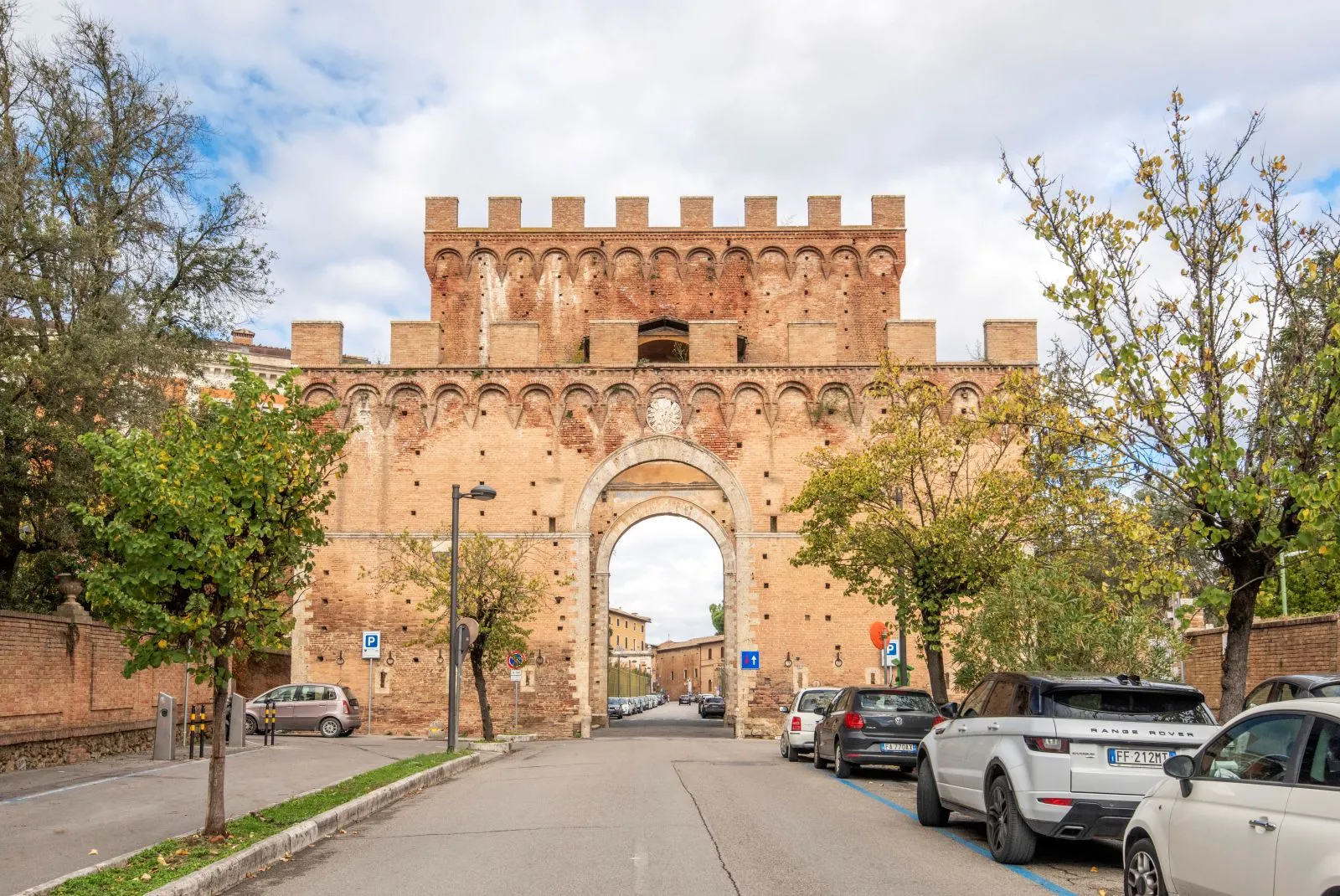
Porta Romana
There is a gate that seems to tell the journey even before crossing it: Porta Romana is one of the most monumental entrances of Siena, facing towards the Val d'Arbia, the Val d'Orcia, and ideally towards Rome, from which it takes its name.
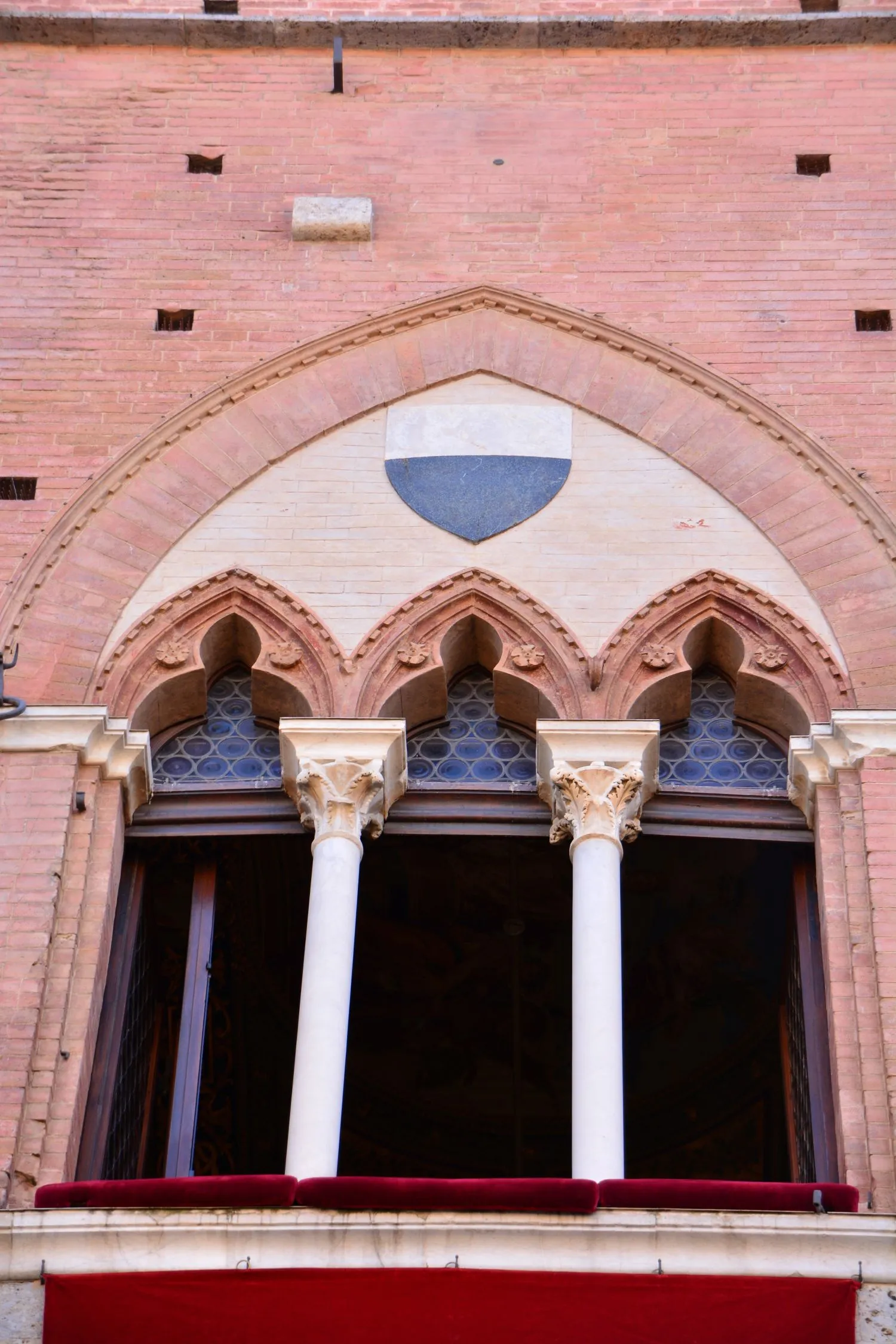
An example of medieval fortification, it was included in the plan to expand the city walls designed by the Government of the Nine at the beginning of the 14th century. Completed in 1329, as confirmed by the plaque with the Balzana embedded on the left, it is one of the oldest gates in the shape of a large square-based tower.
Balzana
In a city divided into Contrade, there is a symbol that unites everyone: the Balzana, a white and black shield that tells the story of Siena.
The Balzana, the shield divided in black and white, is the oldest and most recognizable symbol of Siena. A simple, essential, and powerful emblem, born in the Middle Ages, when the city was an autonomous republic, proud of its civic identity.
Vicolo di Castelvecchio
Castelvecchio
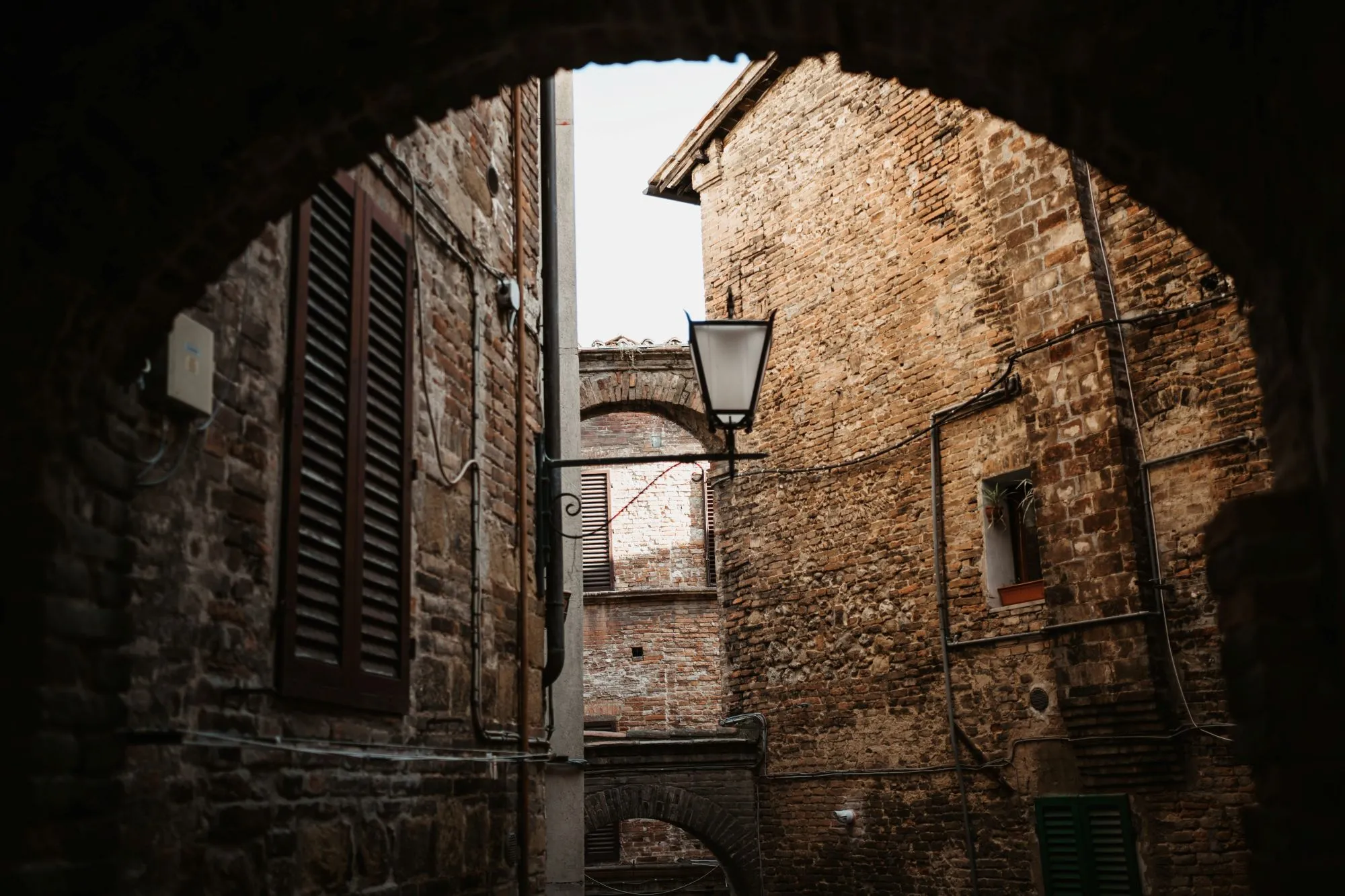
Before the towers, squares, and palaces, Siena had an ancient heart: Castelvecchio, the nucleus from which the city began to tell its story.
Located between via San Pietro and via di Stalloreggi, in the territory of the Contrada della Tartuca, Castelvecchio still preserves traces of its original shape, similar to a castle with a quadrilateral layout.
Palazzo Pubblico
Guidoriccio
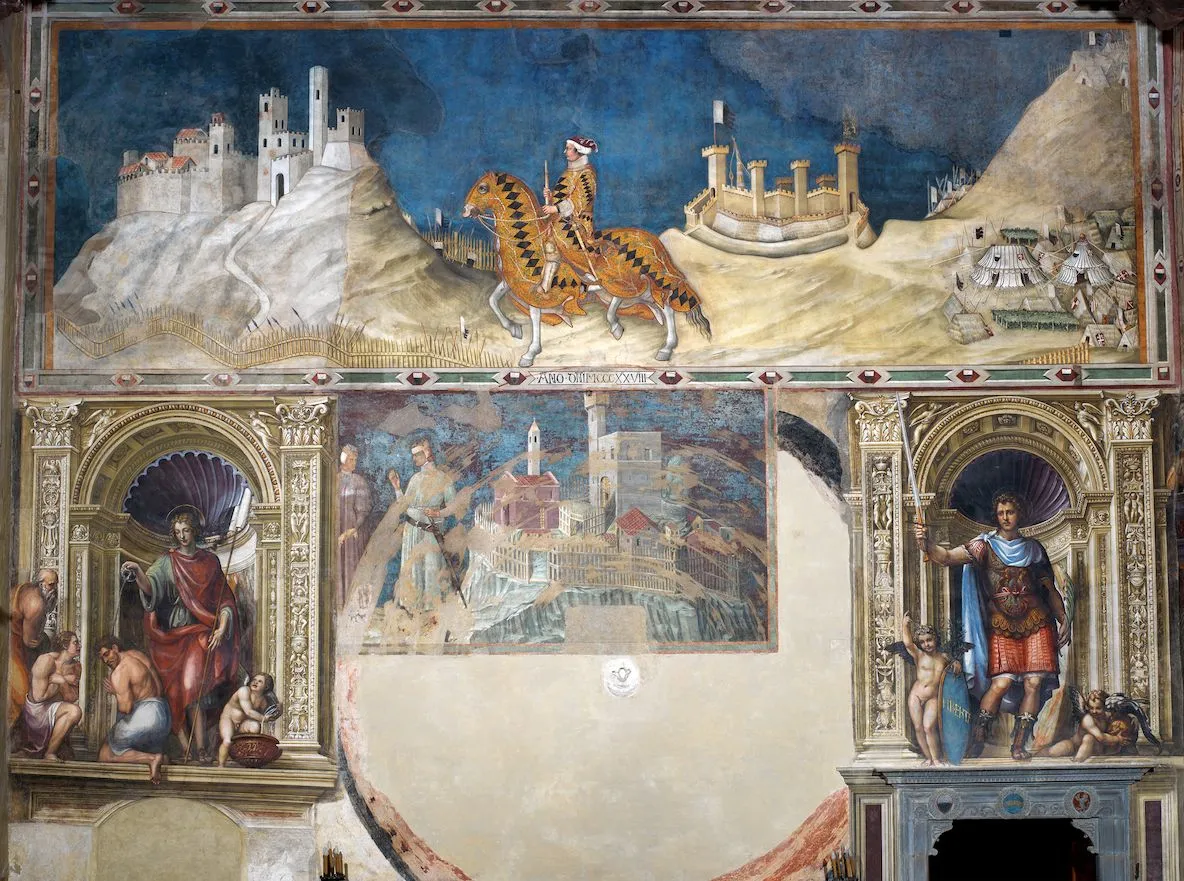
Guidoriccio da Fogliano is one of the most famous frescoes in Italy: a lone knight, a landscape suspended in time, a Gothic masterpiece that has dominated the Sala del Mappamondo of Siena's Palazzo Pubblico for almost seven centuries.
Piazza del Duomo
Sator
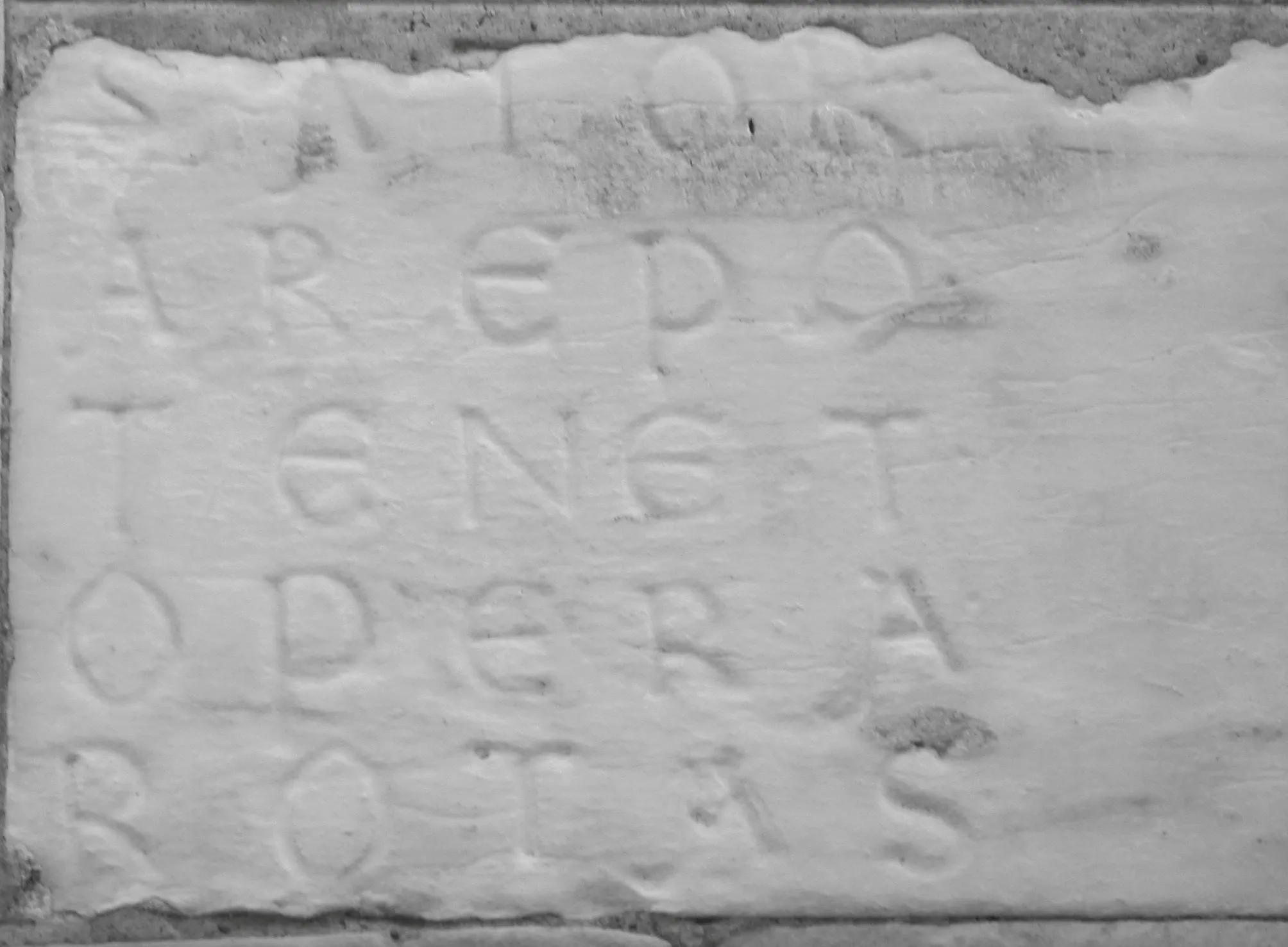
The SATOR Square is one of the Western world's oldest and most fascinating epigraphic enigmas, visible on the exterior wall of Siena Cathedral. Five words, five letters, infinite interpretations. A mystery that has endured for two thousand years.