The palace where Siena shaped its government
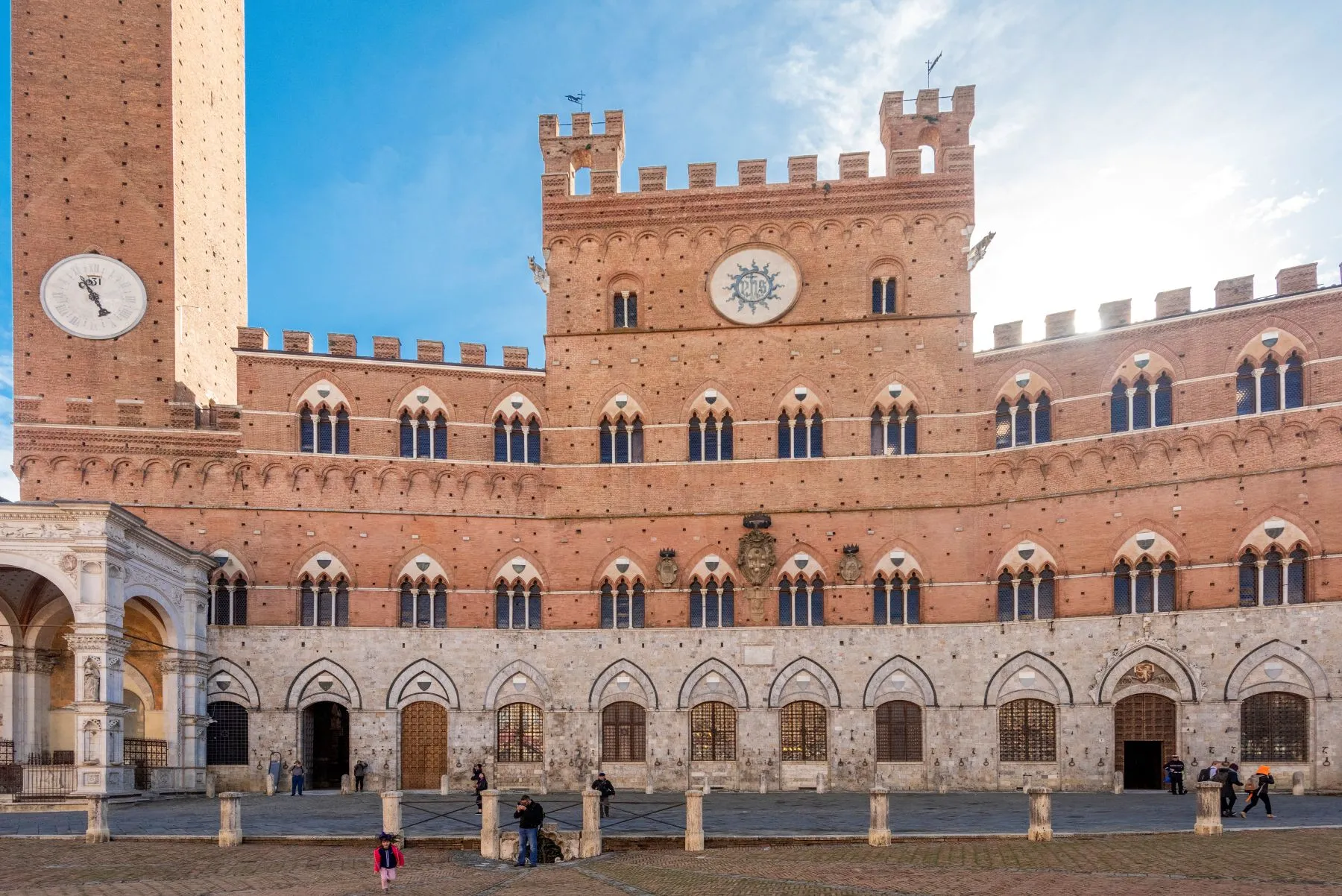
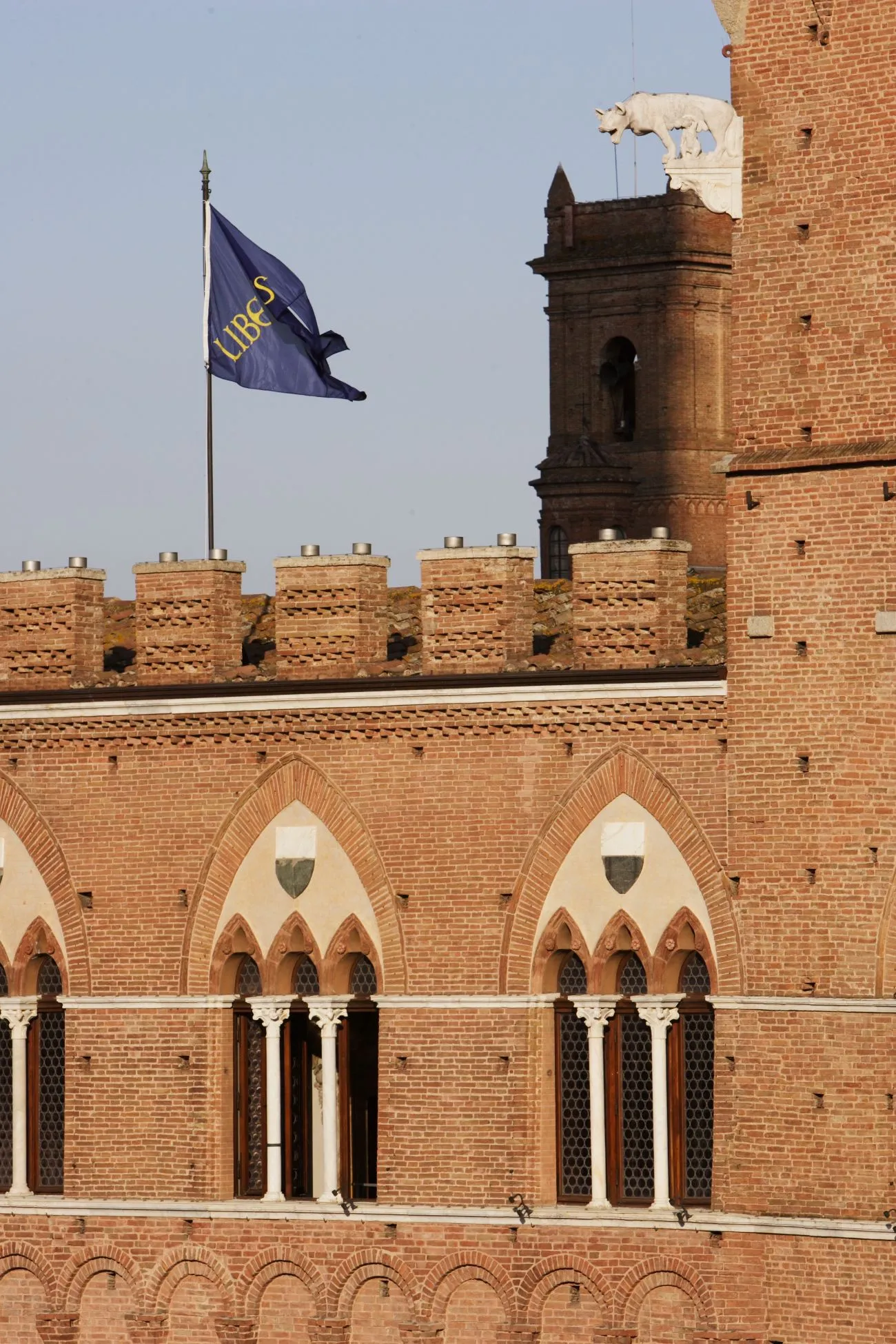
Built between the end of the 13th century and the beginning of the 14th century, the Palazzo Pubblico was born as the seat of the Government of Nine, the body that led Siena during one of the most prosperous and refined seasons of its history. Even today, it retains its original function, hosting the municipal seat. It is a rare, almost surprising continuity: not a building handed down only to memory, but a place that continues to live in the present, faithful to its civil vocation.
Art, power, and the common good in the halls of the Palazzo Pubblico
Inside, spacious, solemn, and bright environments open up, designed to accommodate decisions, discussions, and the representation of power. The Palazzo Pubblico houses the Civic Museum of Siena, where the works are not merely decorative, but serve as tools for political and civic reflection. Ambrogio Lorenzetti’s frescoes depicting Good and Bad Government still speak today of justice, responsibility, balance and the common good, through a contemporary language that does not merely celebrate power, but assesses its moral integrity.
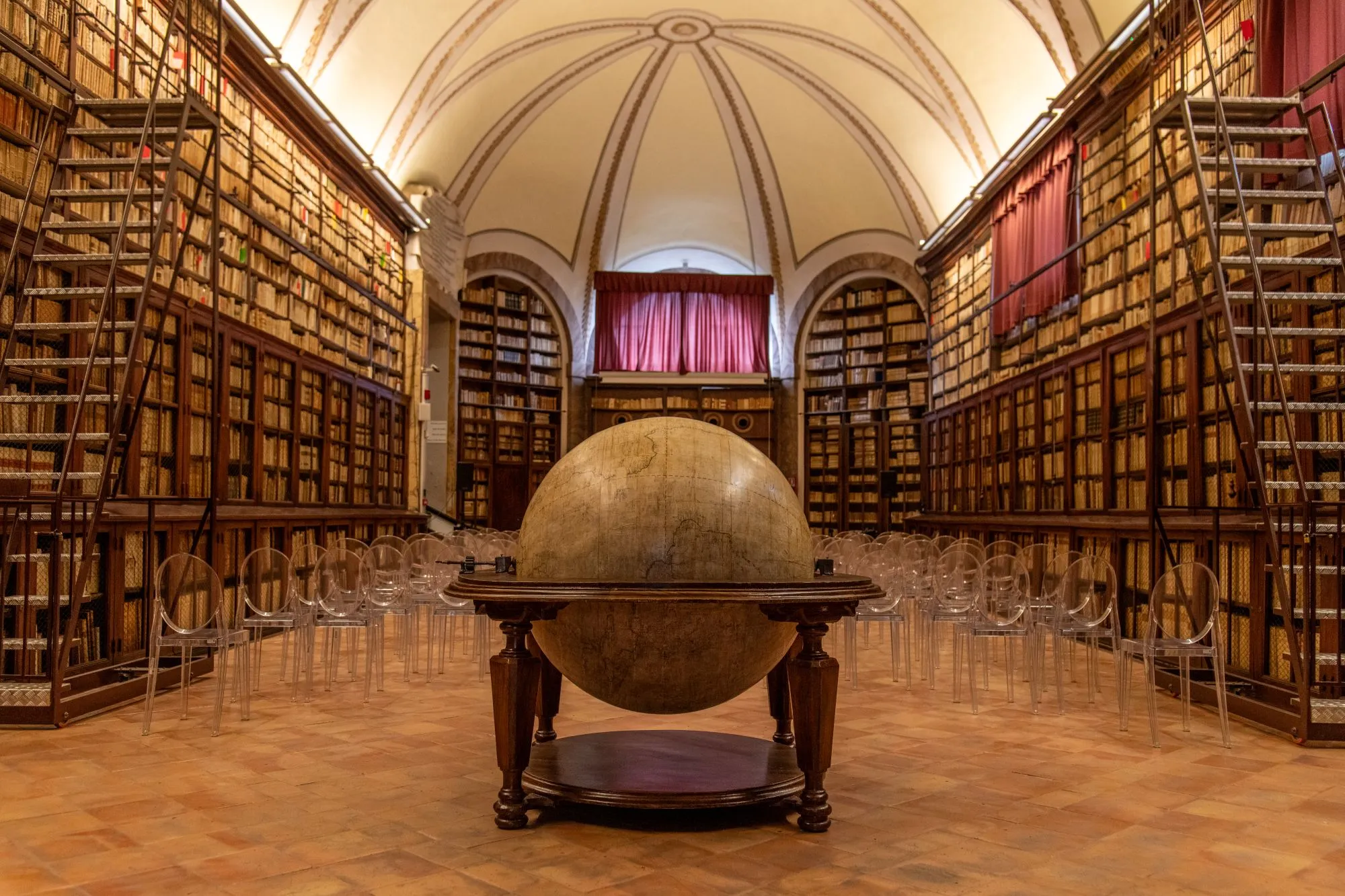
In the Hall of the World Map, the dialogue between power and community continues: the Maestà by Simone Martini is not just a pictorial masterpiece, but a symbolic presence designed to safeguard the city and accompany the very idea of good governance. In this meeting of spaces, images, and civil power, the Palazzo Pubblico of Siena conveys the sense of a city that has built its identity also through the places of government.
A building that still belongs to the rhythm of the city
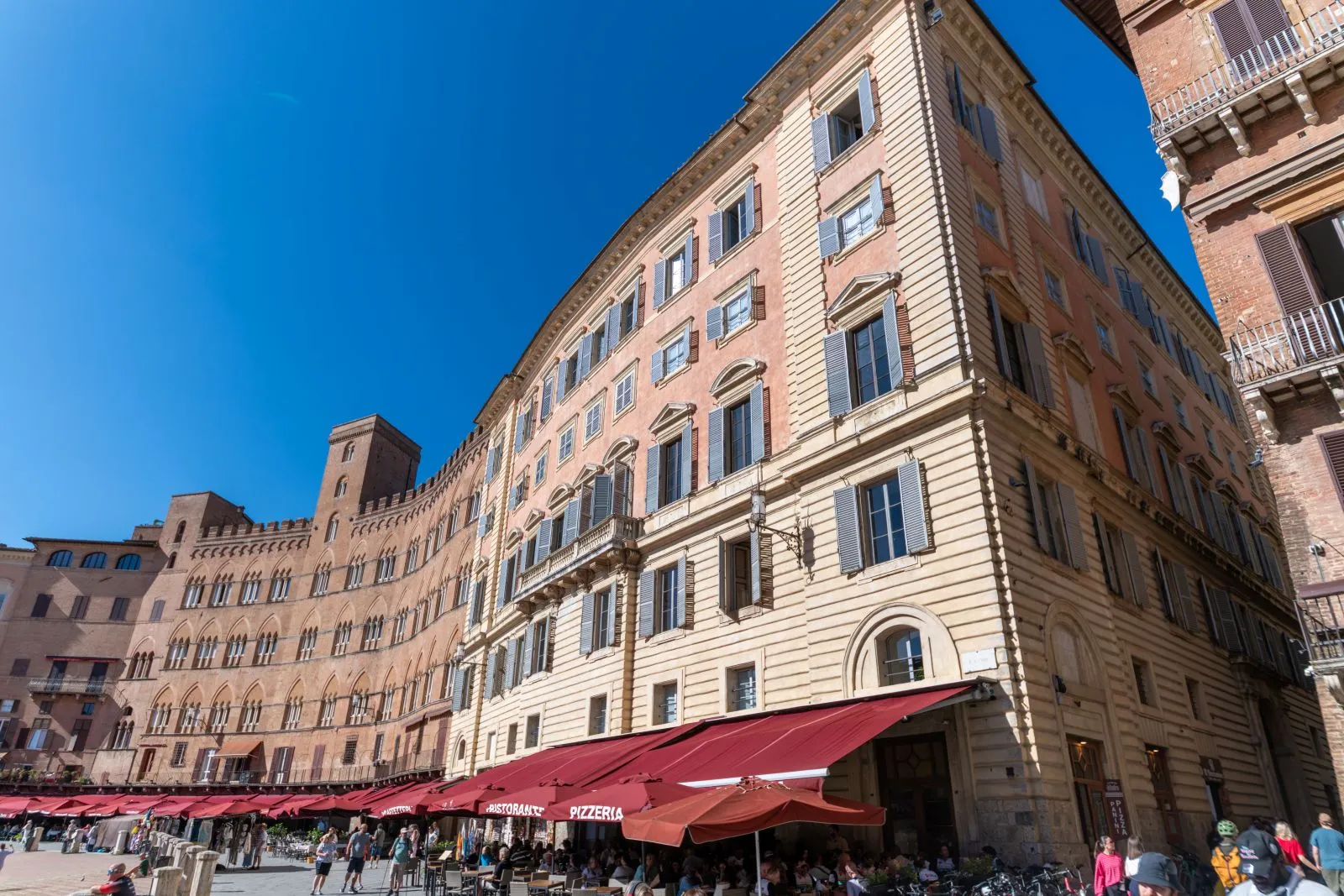
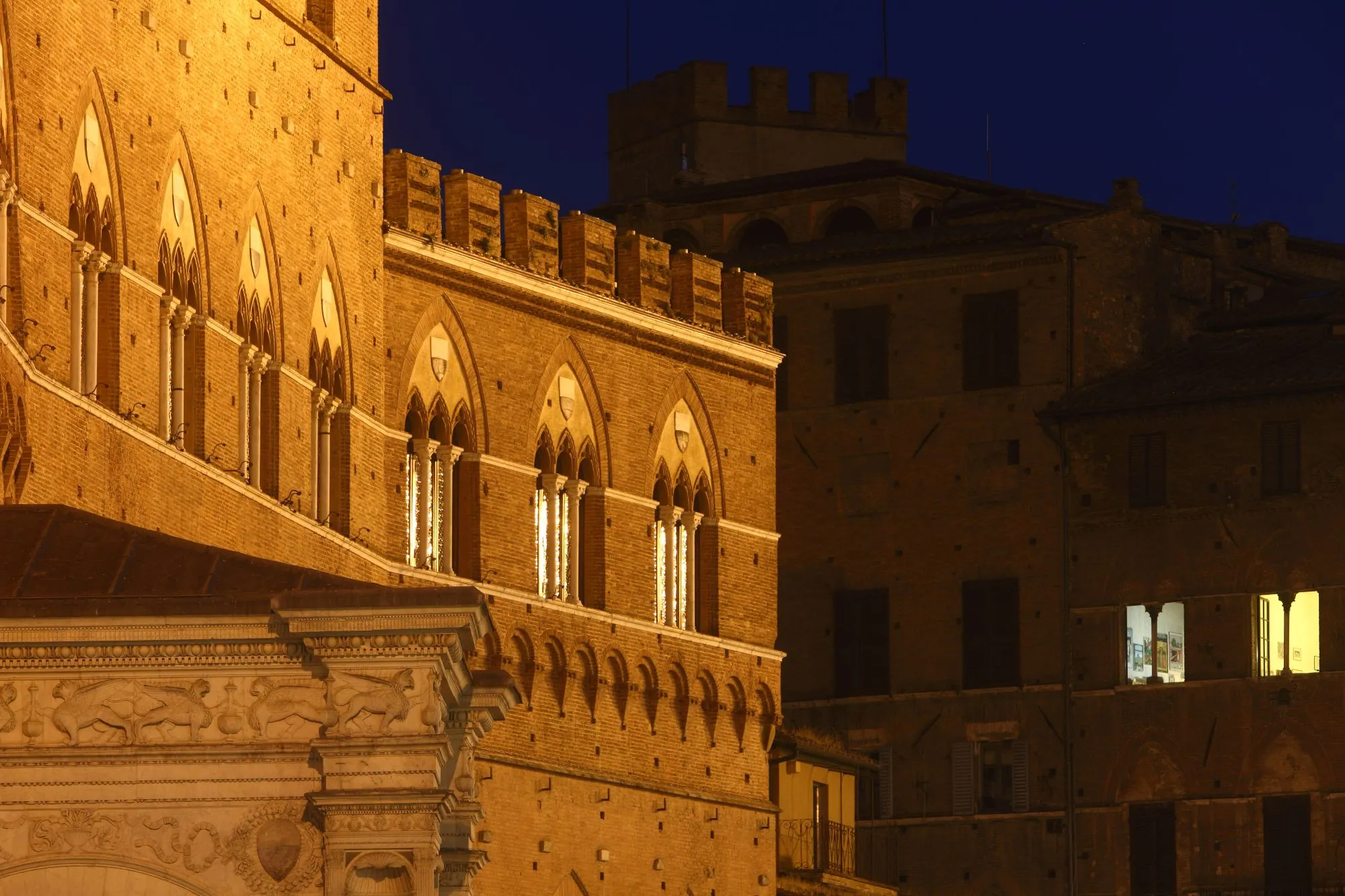
Even outside, the palace never appears as a body separate from the urban context. On the contrary, it dialogues with Piazza del Campo, completing its design and reinforcing its meaning. Every line, every volume, every opening seems to participate in a precise balance, in which beauty and function find a common measure. Even without delving into medieval history or the political events of Siena, the Palazzo Pubblico immediately conveys the idea of a clear, readable, deeply alive space. The profile of a Siena that has managed to build over time a lasting balance between the public, institutions, and daily life emerges.
WORD COUNT: 473