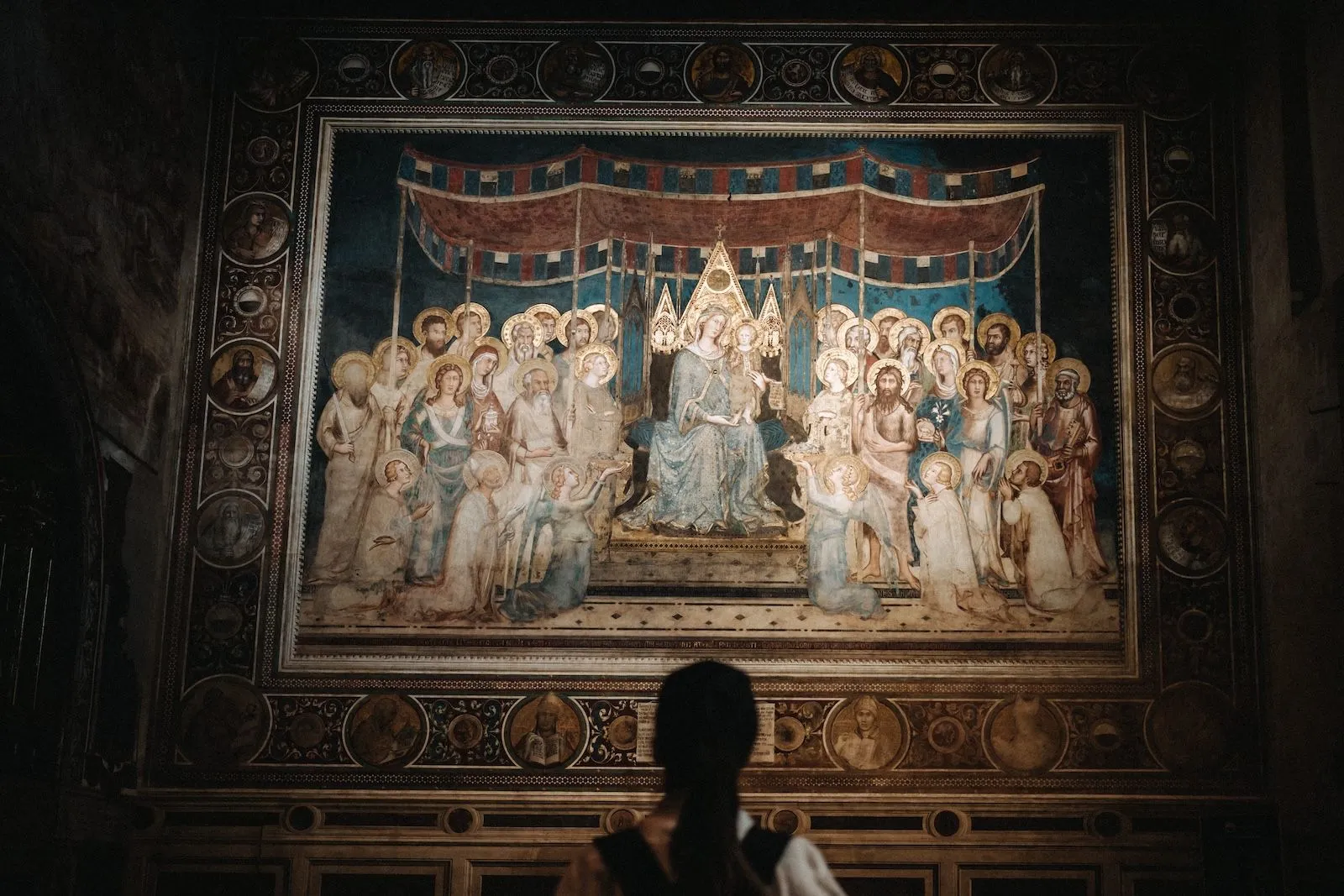
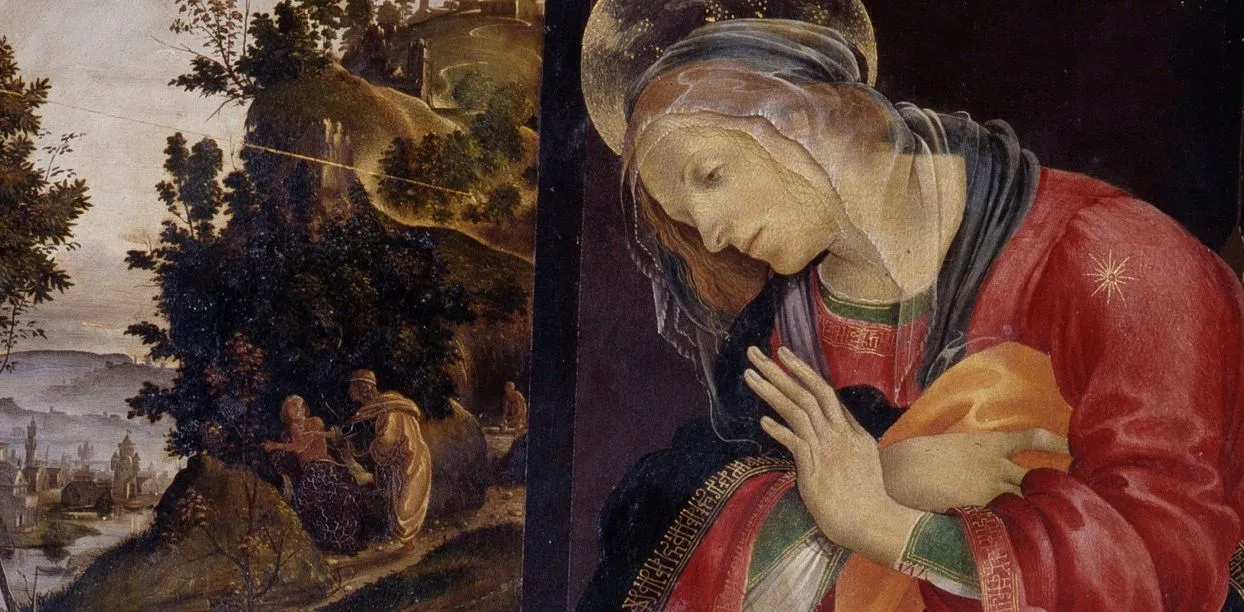
For centuries, in Siena, the new year did not start on January 1st, but on March 25th, the day of the Annunciation to Mary. On that date, which Christian tradition recognizes as the moment of the Incarnation, the city placed the beginning of a new cycle, symbolically entrusting it to the Virgin Mary.
This custom was not an isolated one. Other Tuscan cities also adopted the reckoning ab Incarnatione Domini, albeit with local variations that made the dating of documents non-uniform. Florence, Lucca, and Prato followed similar systems; Pisa used a different calculation; elsewhere, such as in Arezzo and Massa Carrara, the year began on Christmas. Only in 1749, with the decree of Grand Duke Francis Stephen of Lorraine, did Tuscany align itself with the calendar that had become prevalent in Europe, fixing the official start of the year as January 1st, 1750.
In Siena, however, March 25th was never just a chronological convention. It remained a date deeply tied to the city's identity, touching upon one of the most enduring cores of local history: the bond with Mary, recognized for centuries as the protective and symbolic presence of the community.

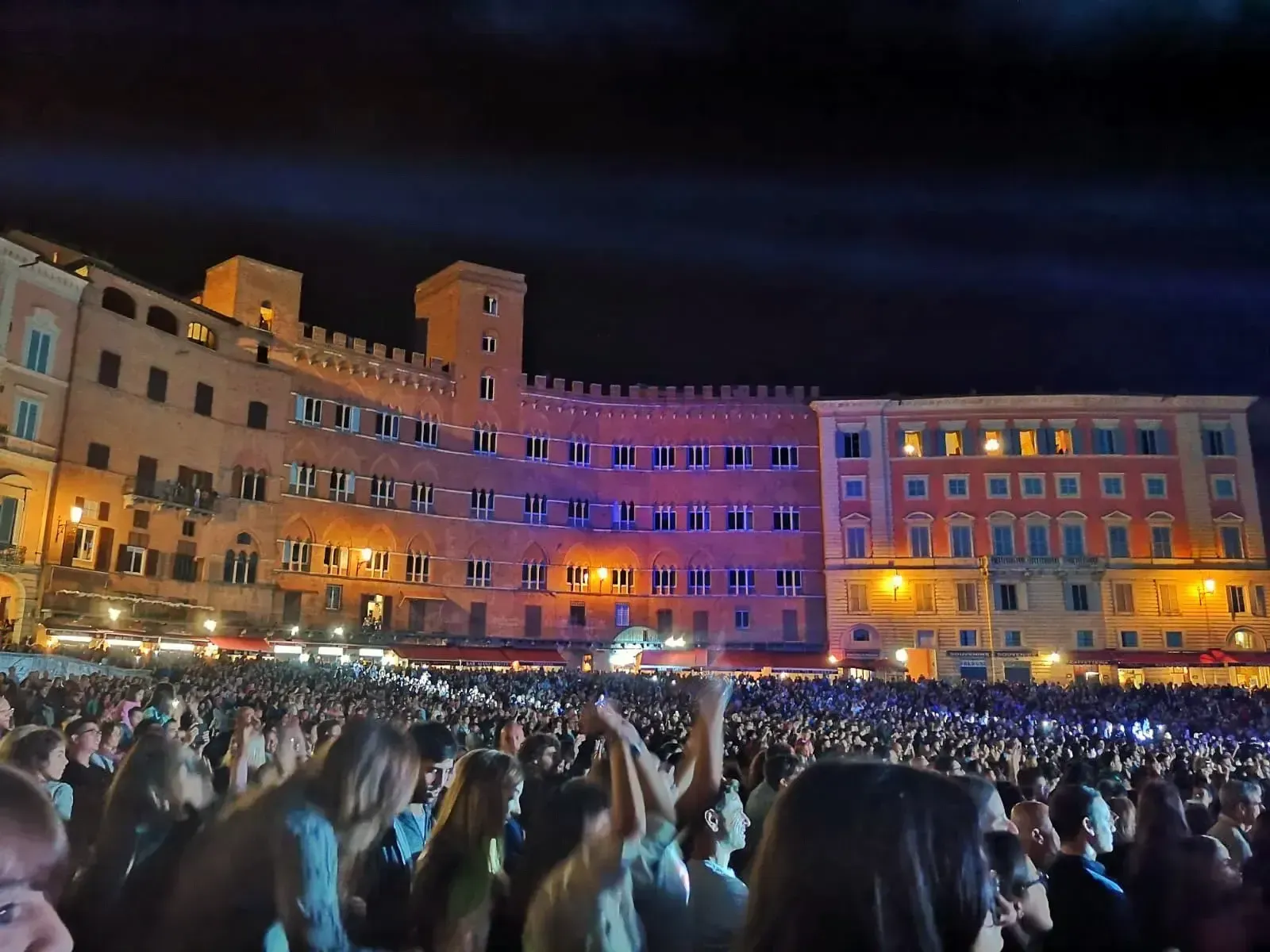
Sienese new year: March 25th, when Siena begins anew
In Siena the year did not begin in January
A celebration where civil time and sacred time coincided
The Sienese New Year clearly highlights a fundamental characteristic of the medieval city: the continuity between religious life and public life. The new year opened not only with a liturgical celebration, nor merely with the renewal of civic offices. It opened with both on the very same day, within a worldview where governance, devotion, and collective belonging progressed together.
For this reason, March 25th carried a weight far beyond that of a simple holiday. It was the day Siena reaffirmed itself: as the City of the Virgin, as a community structured by public institutions, and as a civic body capable of recognizing itself in shared rituals.
If on August 15th, with the Palio dell’Assunta, Siena celebrates Mary in her most solemn and triumphant form, March 25th recalls another image of the Virgin: that of the Annunciation, linked to listening, welcoming, and new beginnings.
Ancient rituals: candles, relics, and the transition of power
In historical Siena, the New Year of March 25th took shape through a sequence of public actions taking place across some of the city's most significant locations. At the center was the Church of Santissima Annunziata, connected to the ancient hospital of Santa Maria della Scala, where the candle was offered to the Virgin: a devotional tribute, but also a civic act, by which the Municipality publicly acknowledged Marian protection over the city.
Within the same complex occurred another eagerly awaited moment of the celebration: the display of the relics kept in the hospital. Their exposition drew the faithful and reinforced the solemn character of the day. According to tradition, the relics were also displayed outward to the crowd gathered in the square, in a gesture uniting blessing, public visibility, and collective participation.
Alongside the religious dimension unfolded the civil one. Indeed, March 25th coincided with the transition of public offices: at Palazzo Pubblico, the outgoing and incoming governments participated in prescribed rites, blending liturgical observance and the symbolic handover of civic duties. The new year thus opened under a dual sign: that of faith and that of political responsibility.
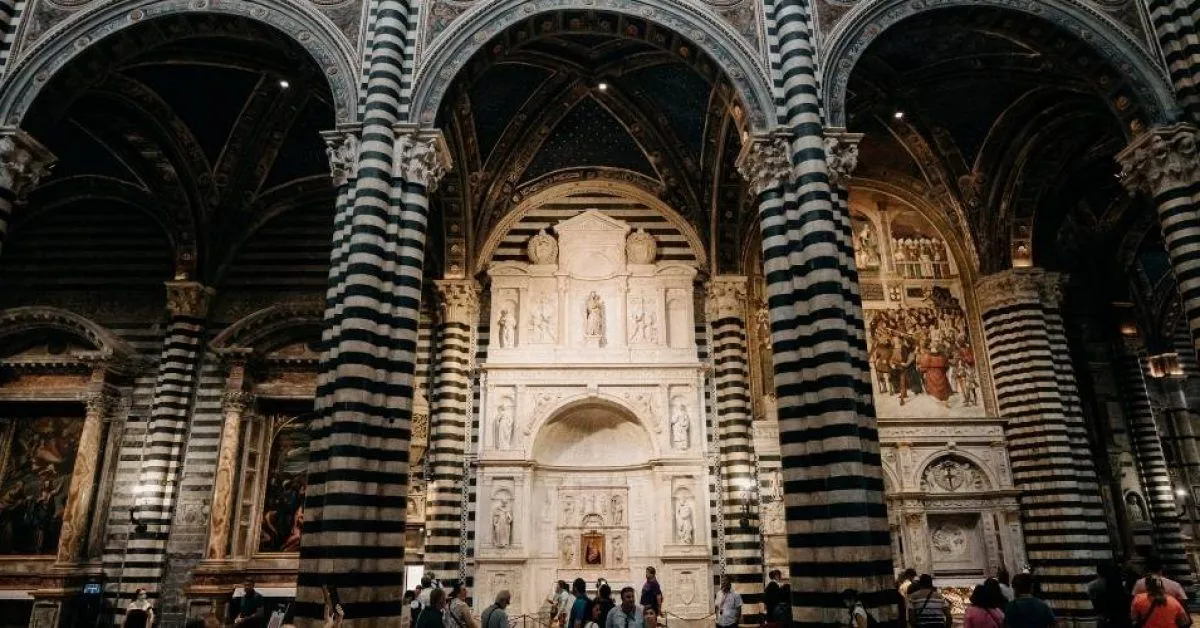
After the institutional procedures, the authorities proceeded to the Duomo to pay homage to Mary. In this succession of places and gestures, the structure of ancient Siena is clearly legible: civil power was not separate from the religious framework, but was explicitly enshrined within it.
The return of the Sienese New Year
With the adoption of the modern calendar during the Lorraine era, this division of time gradually faded from daily use. March 25th lost its role as the official start of the year, but did not disappear from the city's memory. It endured as a historical trace, a recognizable element of long-standing cultural and devotional continuity.
Since 2013, the Sienese New Year has returned to being officially celebrated thanks to a joint initiative by the City of Siena, the Magistrato delle Contrade, and the Archdiocese. Its revival is not a mere historical reenactment; today, the celebration aims to bring back a historical form of civic time and restore to it a public meaning accessible in the present.
Contemporary celebrations still open with the offering of the votive candle to the Madonna in the Church of Santissima Annunziata, in the presence of religious and civic authorities alongside the Contrada community. The entrance of the seventeen Contrade, with their colors, flag-bearers, and drummers, restores an immediate visual power and strong communal value to the event.
Where the city reflects on itself
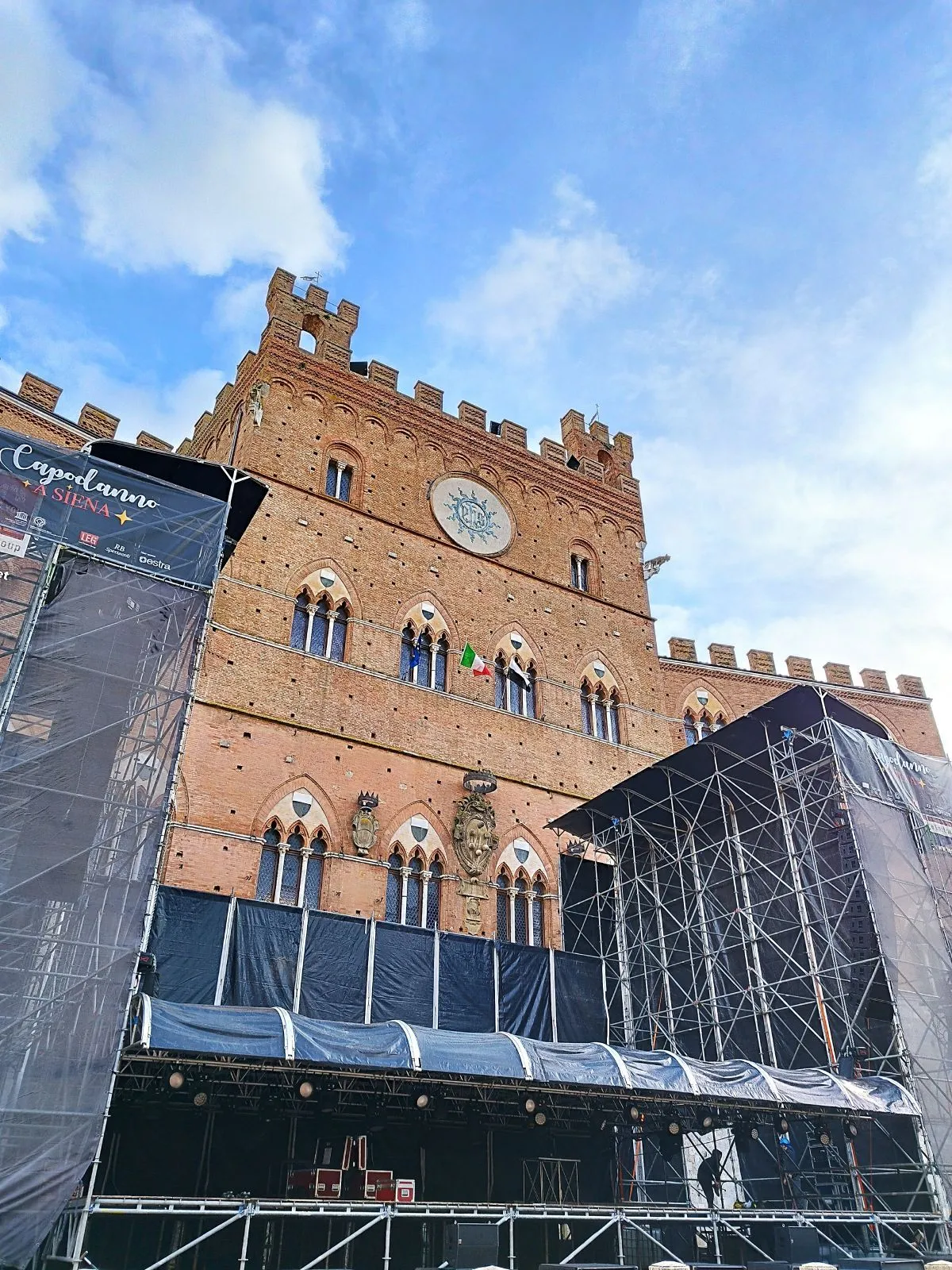
Alongside the religious rite, the Sienese New Year also includes institutional and cultural moments hosted in Palazzo Pubblico, often inside the Sala del Mappamondo, before the Maestà by Simone Martini. This is a highly significant choice. In few places is the connection between Siena and the Virgin so clearly evident: not as private devotion, but as a public image of the city, inscribed at the very heart of its political history.
Thus, the Sienese New Year is more than an old curiosity or a calendar landmark. It is an occasion when Siena brings to light an essential aspect of its historical identity: the continuity between memory, institutions, civic faith, and belonging.