There are cities that preserve masterpieces. Siena did more: it turned its identity into a visual language, into architecture, into images capable of telling an entire worldview. For this reason, its heritage cannot be read as a simple sum of monuments, churches, and museums. Here, art is not an isolated episode, but the reflection of a civilization that knew how to weave together faith, civic pride, political thought, devotion, and a desire for beauty.
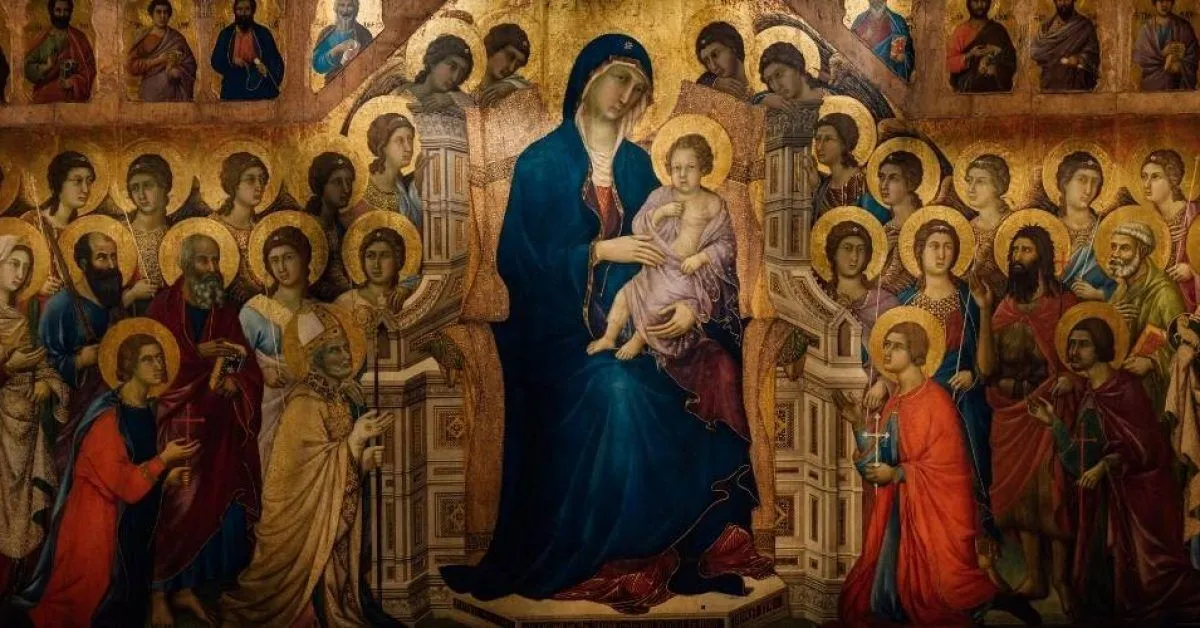
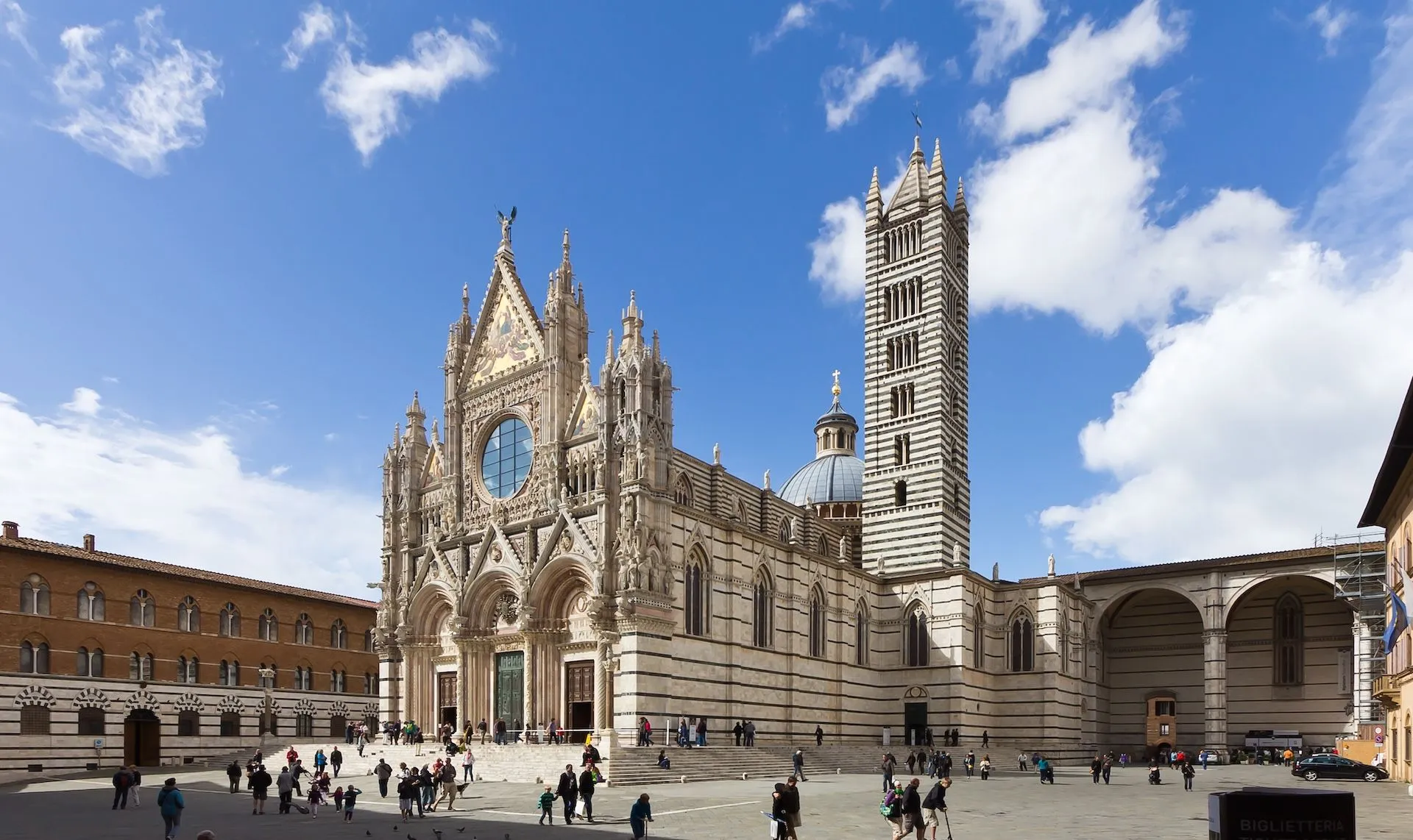
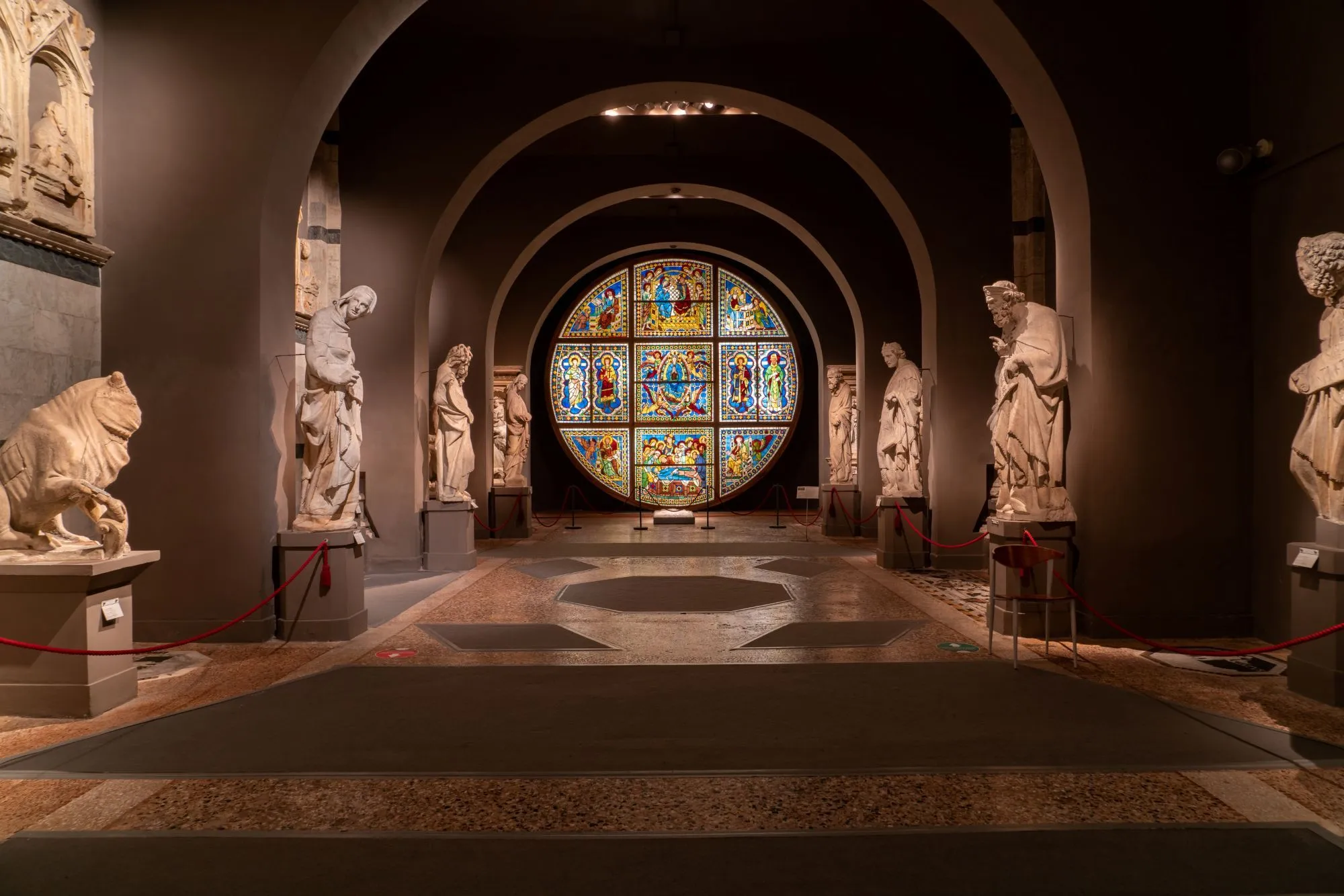
The heart of this experience develops between the thirteenth and fourteenth centuries, when Siena became one of Europe’s great artistic centers. During those years, an autonomous, recognizable, and highly refined figurative language was formed, capable of forcefully expressing both the sacred and public life. This is the deepest root of Sienese genius: a rare consistency between city, imagery, and community, still perfectly legible today in the historic center.
In Siena, indeed, beauty is not limited to decorating. It organizes, educates, represents, protects, persuades. Works of art speak to the faithful, to rulers, to citizens, to foreigners. Squares, palaces, and churches are not simple containers: they are places where a community takes shape and narrates itself. This is why the genius of Siena must be sought not only in individual works, but in the continuous relationship between urban space, painting, architecture, and collective memory.