Beyond its most famous symbols, Siena preserves a widespread heritage made of museums, collections, oratories, architecture, and urban memories that deserve a dedicated itinerary. These are diverse places, yet united by their ability to tell the story of the city from less immediate—and no less significant—perspectives. Through these treasures, one discovers a more complex Siena, where art, civic identity, religious history, and material culture remain deeply intertwined.

Art and treasures of Siena
Museums, collections, and places to discover
Beyond the most famous places
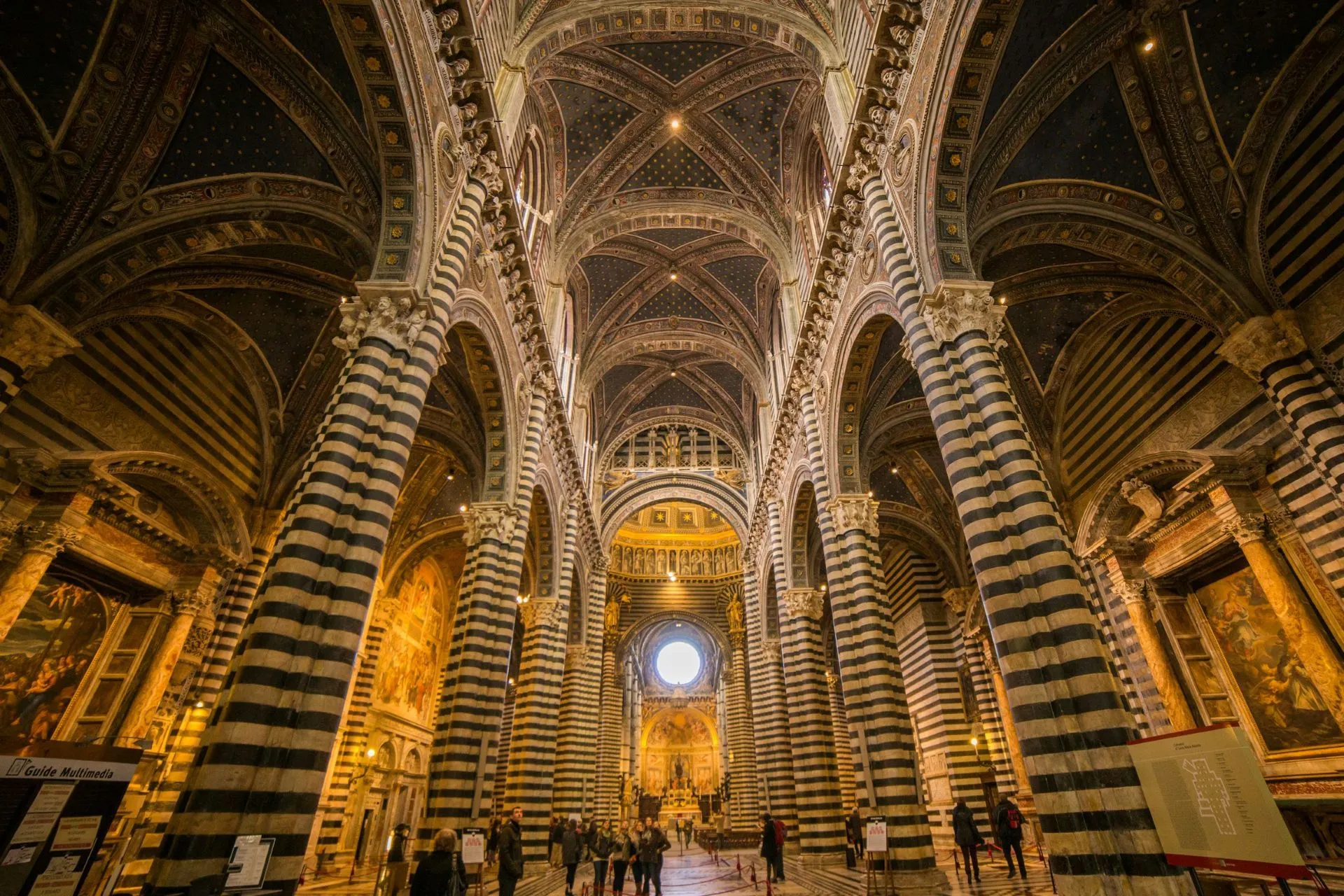
Those who arrive in Siena immediately encounter its iconic landmarks: Piazza del Campo, the Duomo, the Palazzo Pubblico, and Santa Maria della Scala. But the city is not defined solely by its most famous sights. There is another level of discovery, consisting of widespread heritage, precious collections, less conventional museums, contrada oratories, places of memory, and architectural gems that reveal a more intimate yet equally significant Siena. This page is designed to guide your view in that direction. It does not present a list of minor sites, but rather a journey through treasures that expand one's understanding of the city. Each belongs to a different story. Some stem from the life of the 17 districts, others from aristocratic art collecting, and still others from religious traditions, deeply rooted cultural presences, or architectural forms that help interpret Siena in a fresh, unexpected light.
The Contrada museums
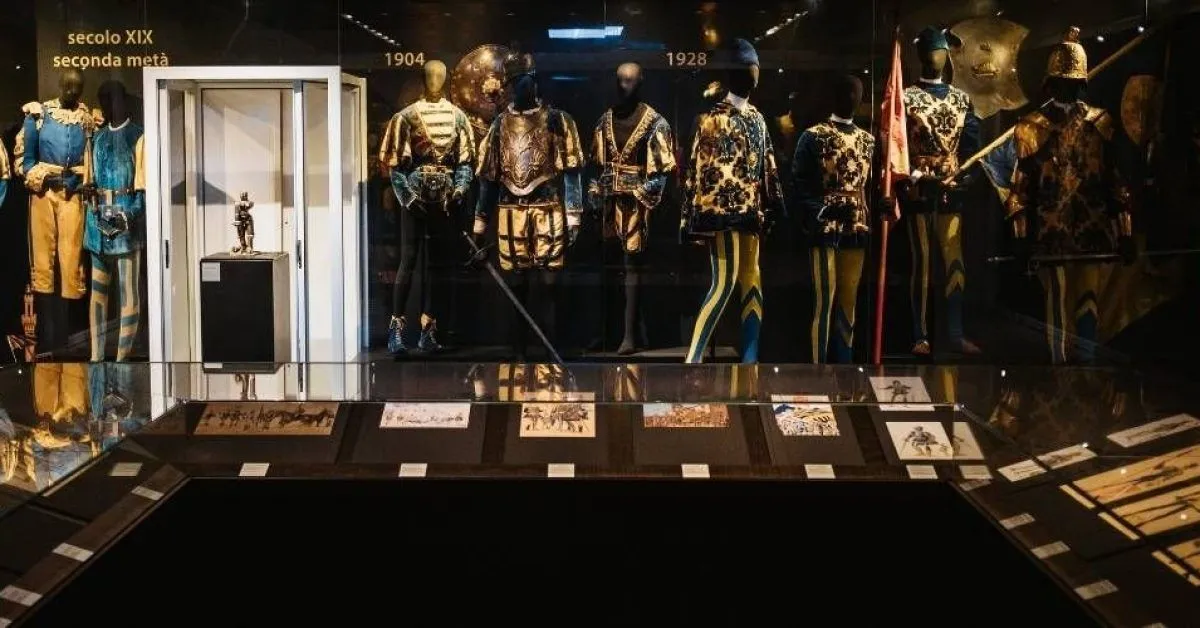
The Contrada Museums represent one of Siena's most original cultural treasures
They are neither simple local displays nor exhibition spaces designed merely to explain the Palio. They are places where material memories, works of art, furnishings, flags, costumes, symbolic objects, and above all the winning banners (drappelloni) throughout history—often painted by world-renowned artists—are preserved. Visiting them means entering an essential dimension of the city.
The Contrade are not decorative elements of the urban fabric, but its most living structures. Their museums demonstrate how civic identity, devotion, ritual, and artistic heritage seamlessly coexist. For this reason, they deserve to be experienced not merely as a stop for those interested in the Palio, but as a fundamental chapter of Sienese art and memory.
The Chigi Saracini Collection
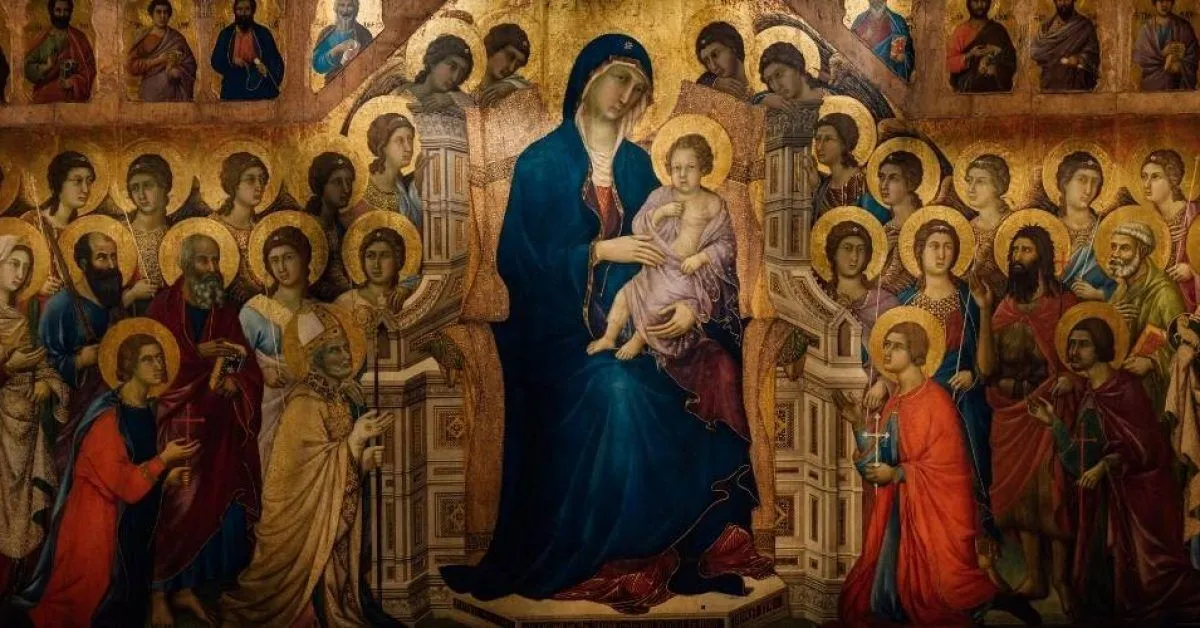
The Chigi Saracini Collection, housed inside the Accademia Chigiana, holds an important part of Sienese and Italian artistic culture. Situated within the historic palace along Via di Città, it allows visitors to travel through centuries of painting, sculpture, decorative arts, and art collecting in one of the most refined settings of the historical center.
The value of the collection lies not only in the quality of its works, but also in how they dialogue with the magnificent residence hosting them and the history of the family that gathered them. It is a place where collecting taste becomes a story of the city and its connections with other artistic centers. For anyone wishing to understand Siena beyond the major tourist circuits, this collection is a essential destination.
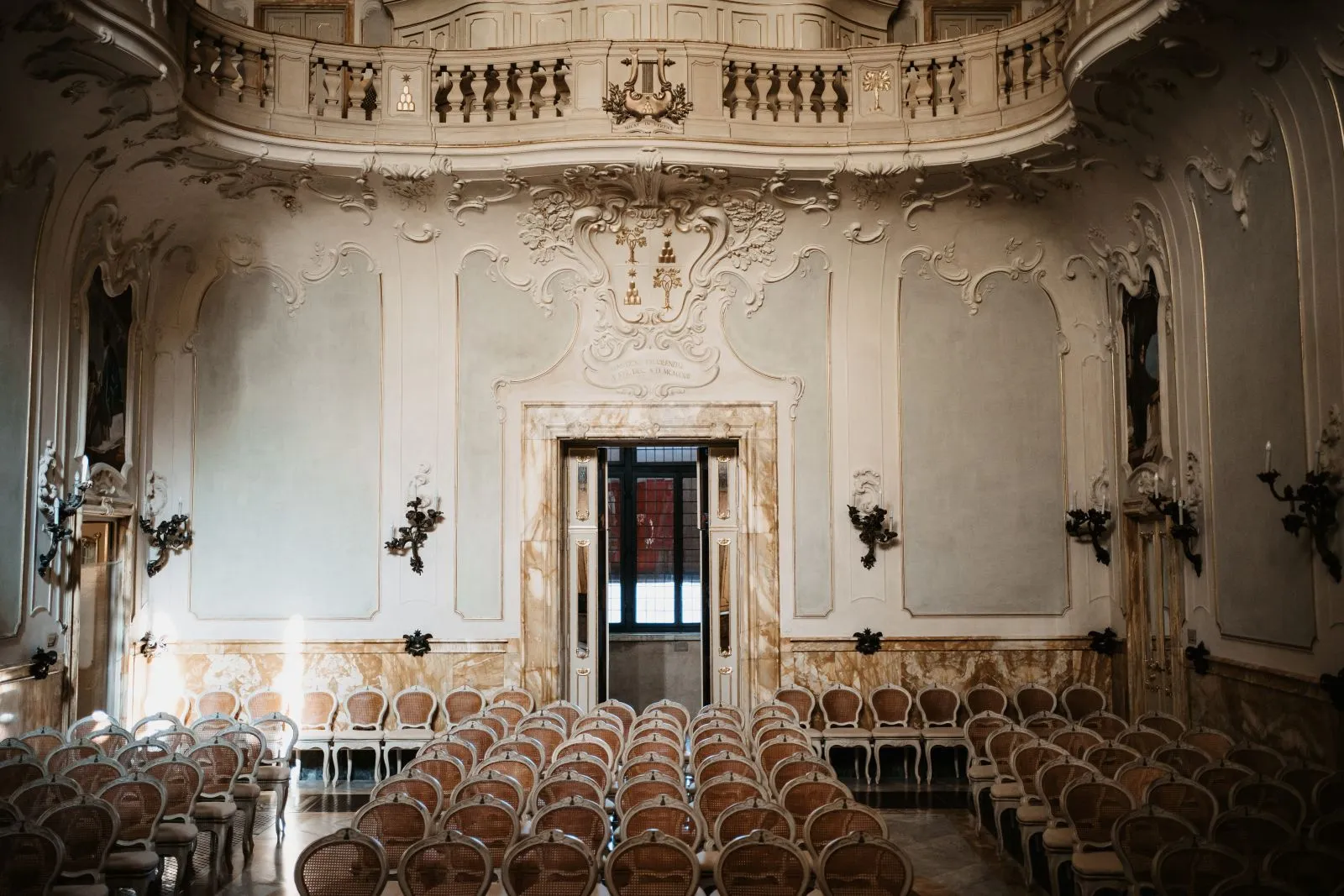
The Oratory of San Bernardino
The Oratory of San Bernardino, located at Piazza San Francesco 9, next to the Basilica of San Francesco, is one of the places that best showcases the richness of Sienese sacred art off the beaten path. Its understated facade leads to an interior featuring works of remarkable interest, tied to devotion, preaching, and local artistic production between the late Middle Ages and the early modern era. Here, the religious dimension intersects with figurative art in a strikingly clear manner. The oratory impresses not through monumental scale, but through the concentration of its meaning. It is the kind of place that invites visitors to slow down and observe carefully, as it reveals a side of Sienese history that does not assert itself from the outside, but unfolds upon entering.
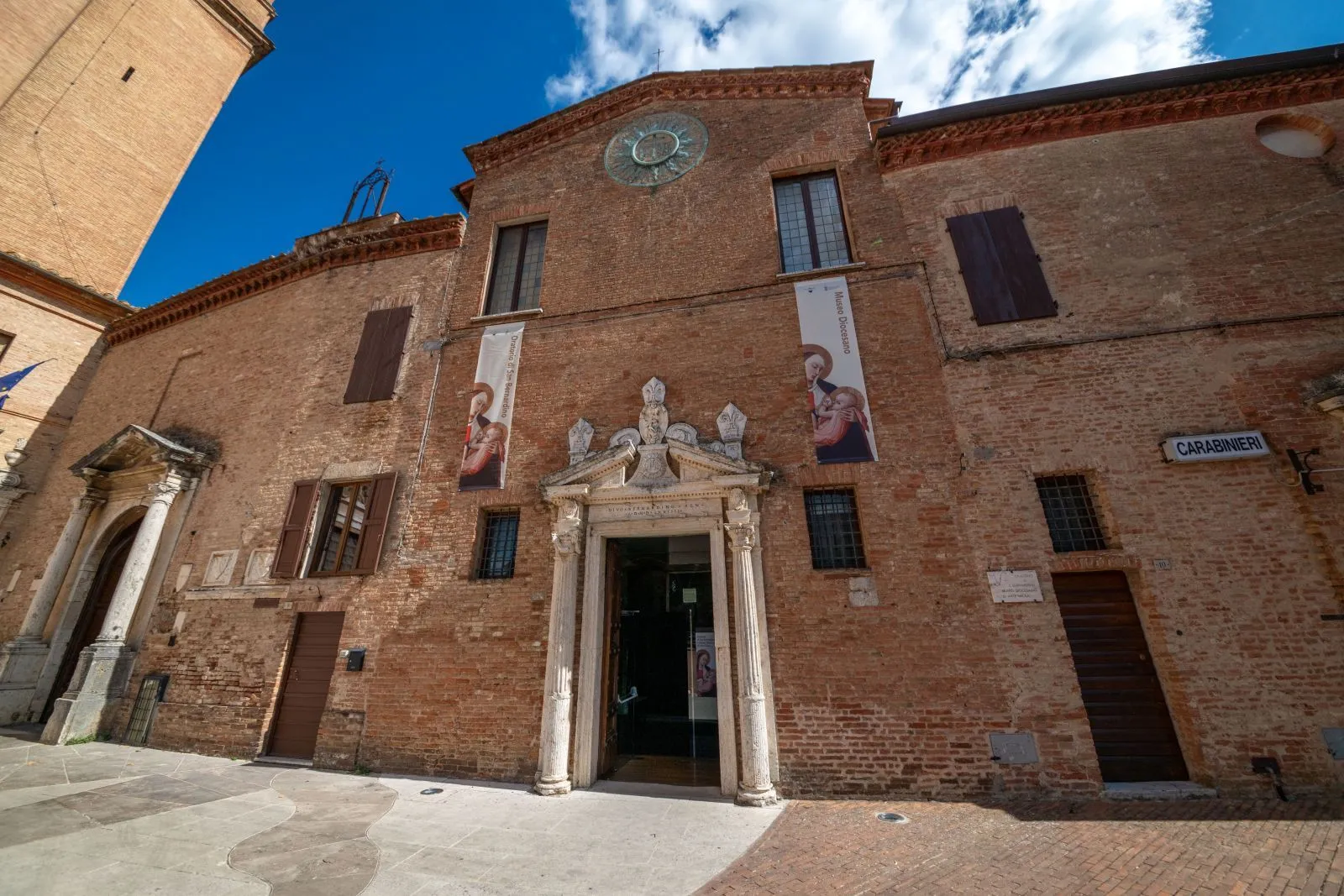
The Synagogue and the historic Ghetto
The Synagogue and the historic Ghetto offer a significant look into a part of Siena's history that is often less familiar to visitors. They are not a peripheral chapter, but concrete evidence of the Jewish presence in the city and its interplay with urban, religious, and civic life. Visiting this area means broadening your perspective beyond the standard sights. It means recognizing that the city's identity was built also through plurality, relationships, and memories that do not entirely coincide with the dominant narrative. For this reason, the Synagogue and the historic Ghetto belong here as part of a rich cultural heritage to be discovered, rather than a mere side curiosity.
The Renaissance loggias
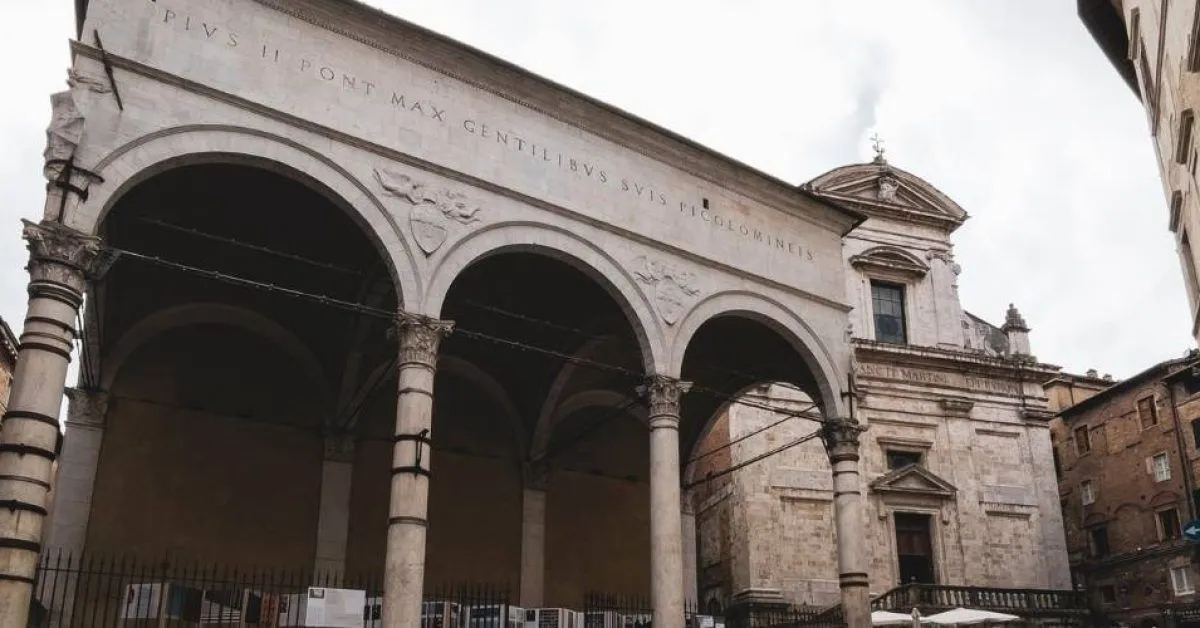
Siena is primarily perceived as a Gothic city, and with good reason. This is precisely why its Renaissance loggias hold special value. They convey a different rhythm of the city, a different architectural vocabulary, a distinct way of measuring space, light, and the relationship between building and street. Observing The Loggia della Mercanzia on Via di Città, The Logge del Papa on Banchi di Sotto, and the Loggia dell’Indipendenza in Piazza Indipendenza allows one to capture a historical layering that often escapes a hurried visit. The Renaissance loggias are not merely decorative elements, but markers of an important cultural transition that entered the Sienese fabric without erasing its former character. Through these details, one realizes how Siena is far less uniform than it might appear at first glance.