Visit Siena's Piazza del Campo, the heart of the city and one of the most iconic sites in the UNESCO-listed historic center. Discover the Palazzo Pubblico, the Torre del Mangia, the Fonte Gaia, and the Palio di Siena.

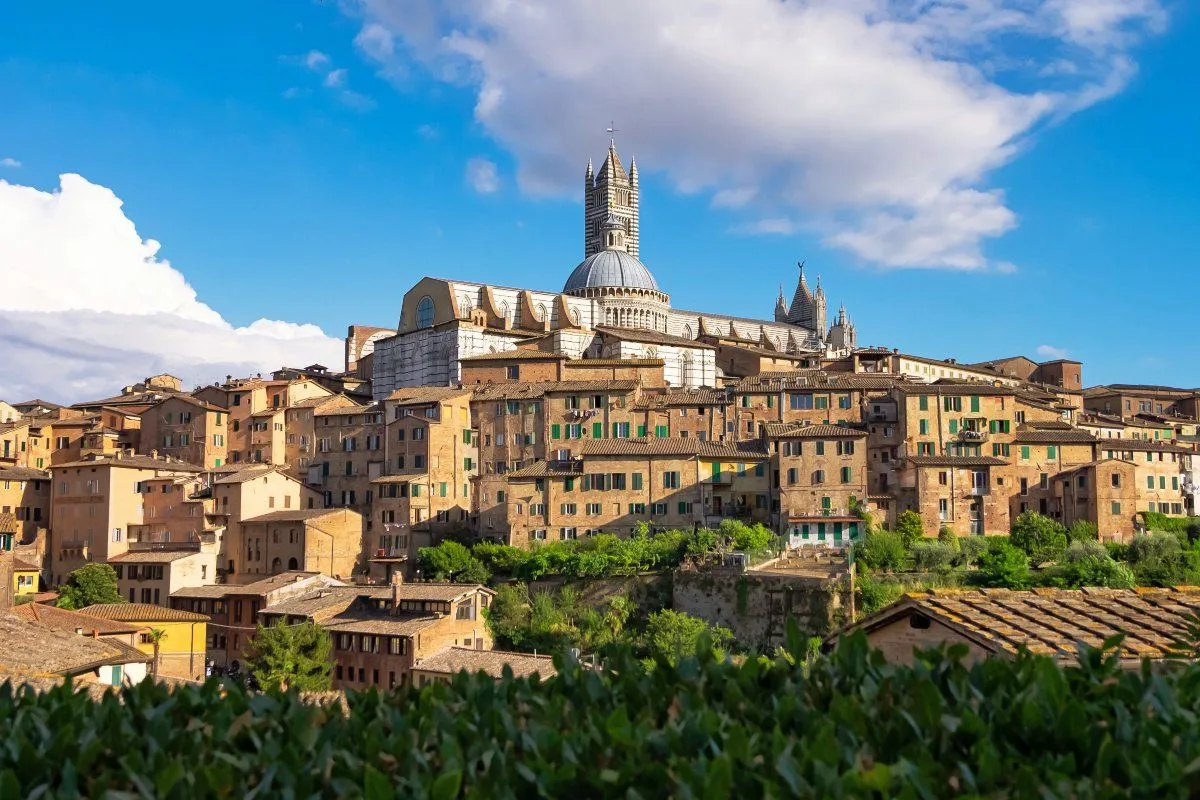
The soul of Siena: places not to be missed
From Piazza del Campo to the hidden treasures of the contrade: an unforgettable journey through artistic masterpieces, Gothic history, and the magic of the city of the Palio
Piazza del Campo
The architecture of Campo
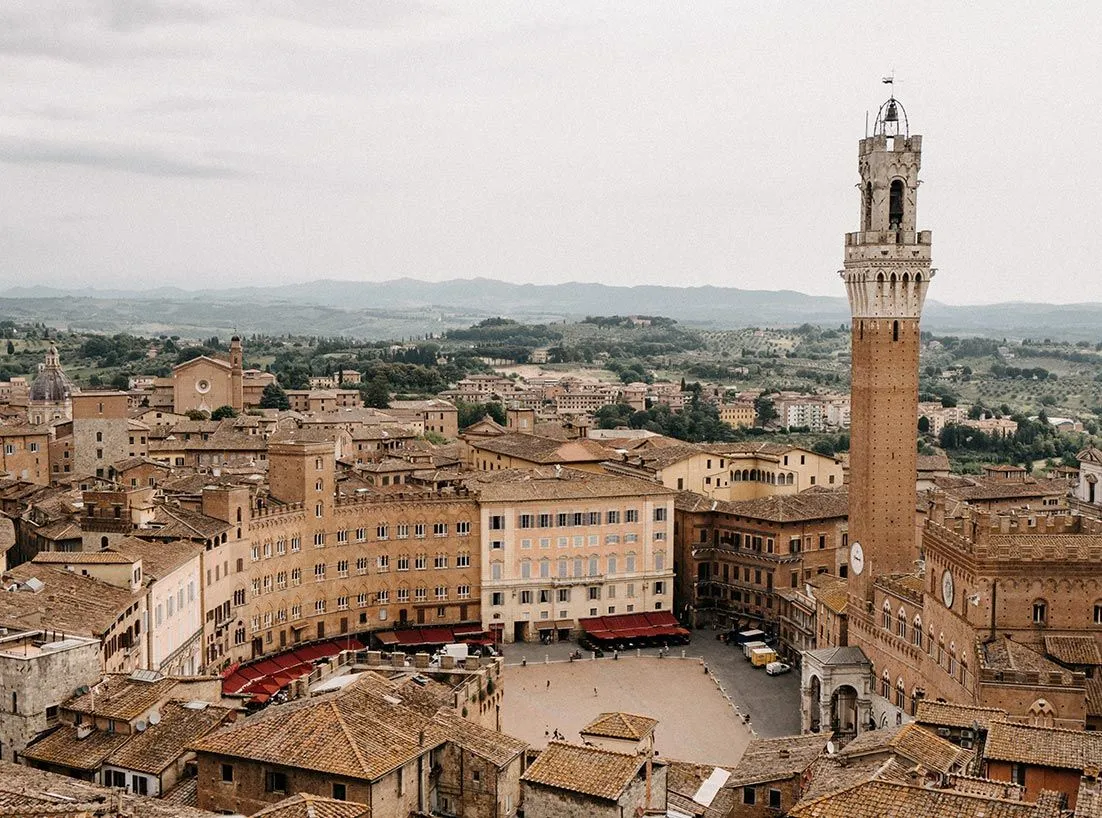
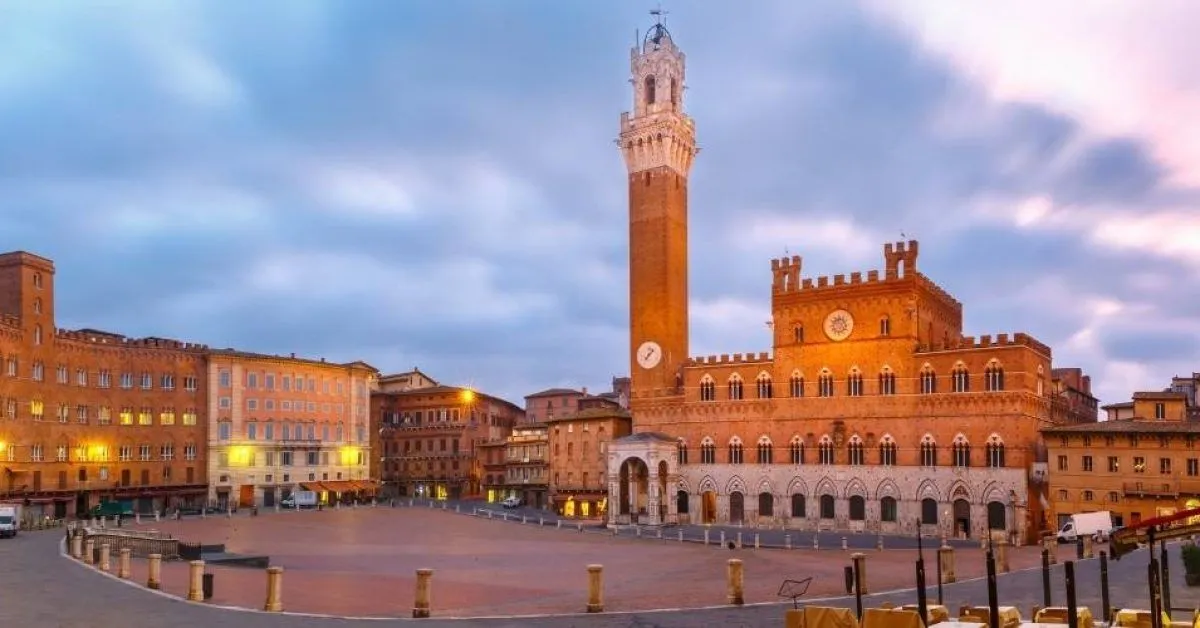
With its original shell shape and harmonious architectural integrity, Piazza del Campo (or more simply the Campo) is a masterpiece of medieval urban planning.
The beating heart of Siena
The heart of the city, it hosts the famous Palio twice a year. Among the noble buildings overlooking it, the Palazzo Pubblico with its elegant Torre del Mangia stands out.
Between faith and prestige:
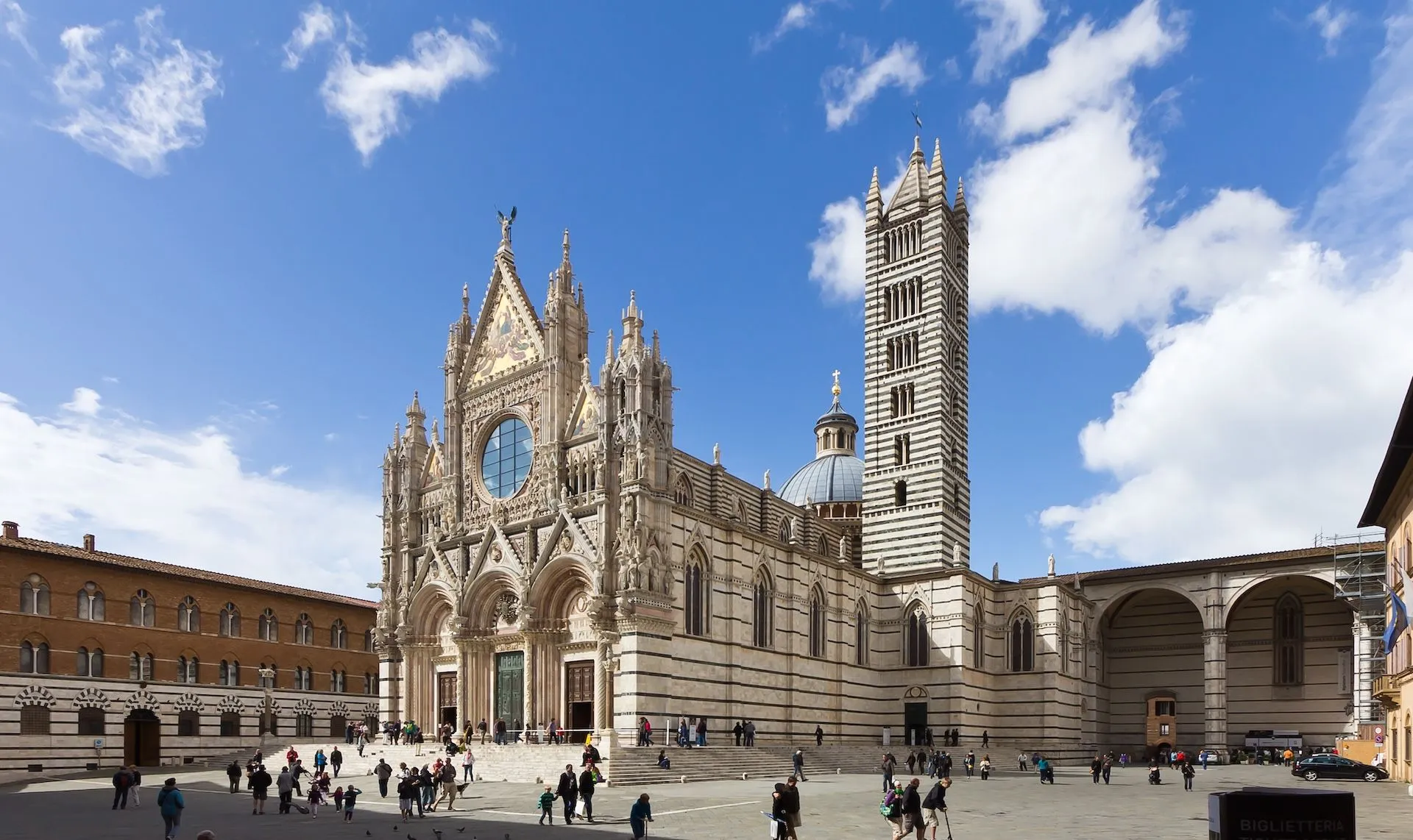
the great Basilicas and the Pope's Loggias
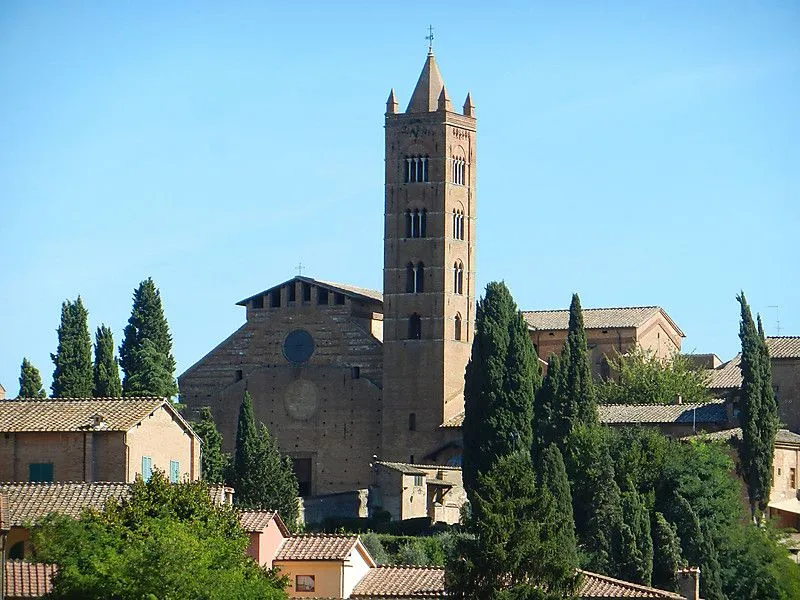
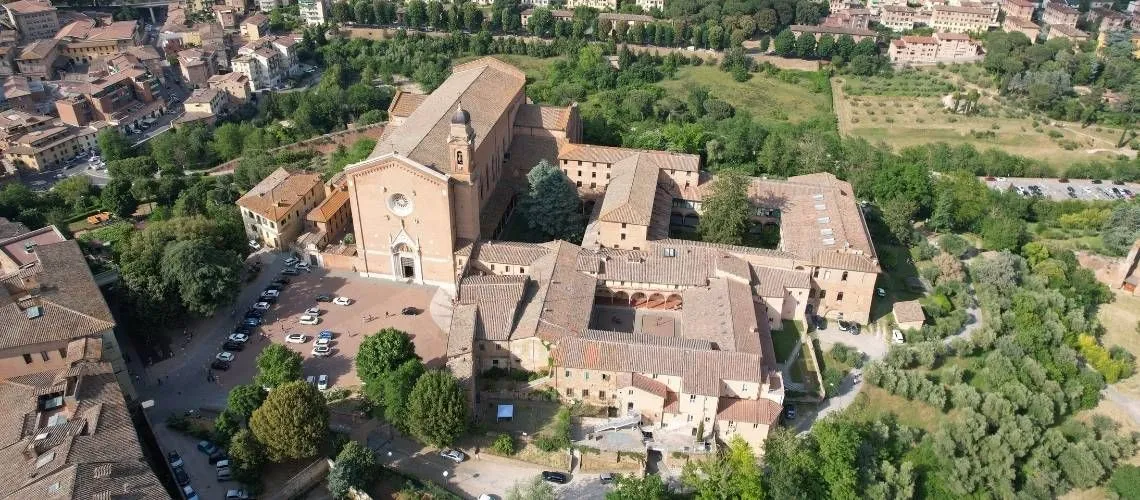
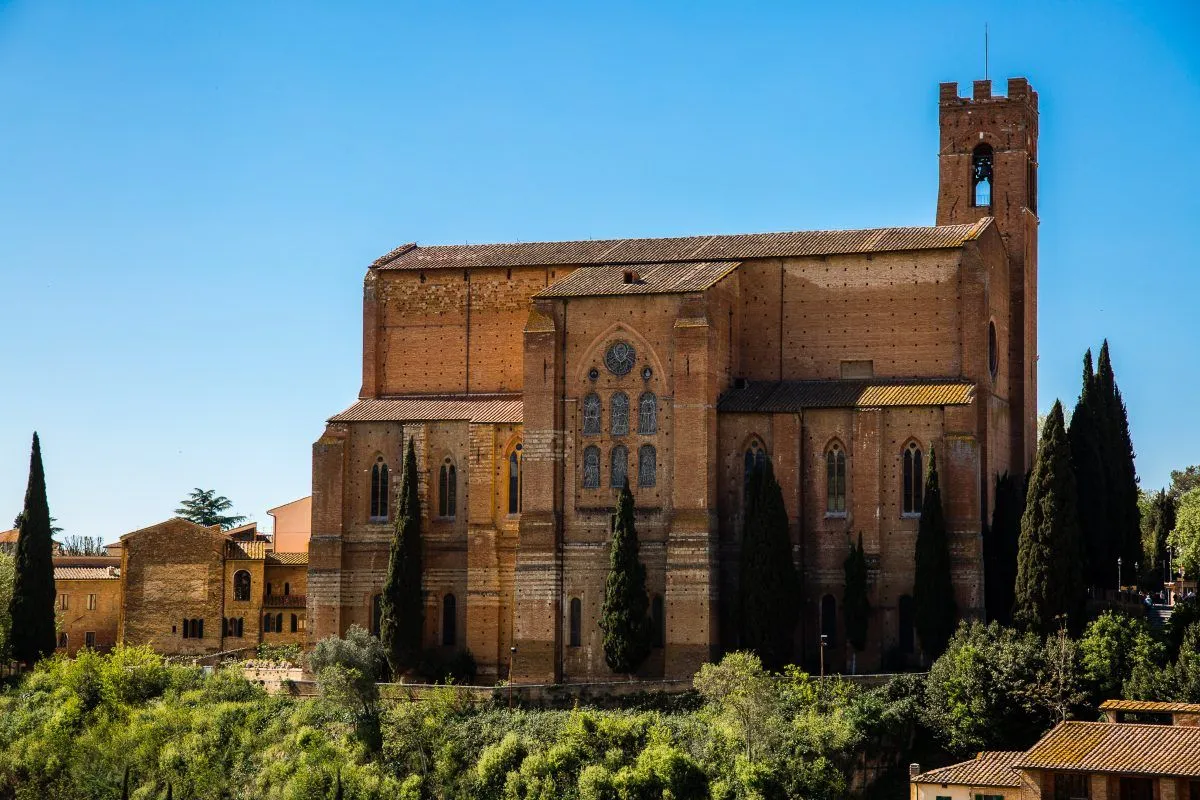
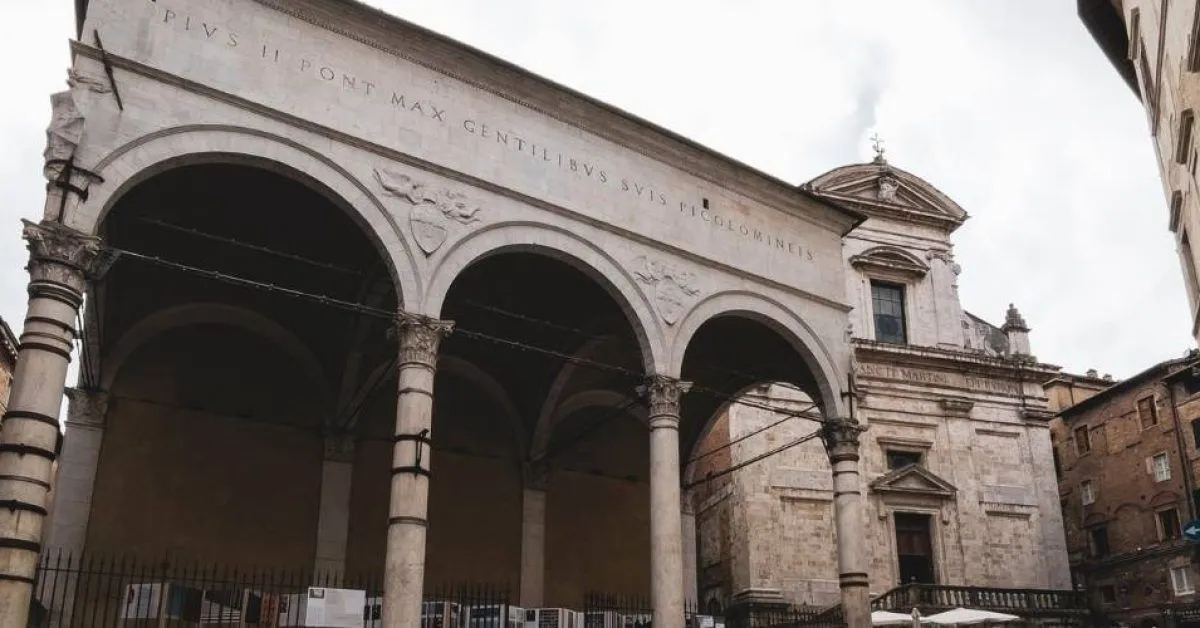
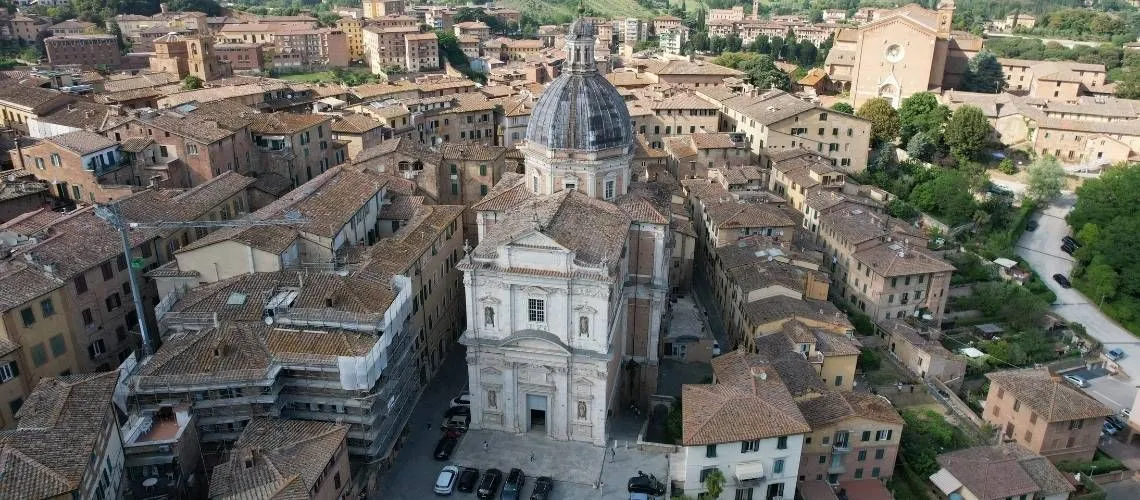
Collegiate Church of Santa Maria in Provenzano
An imposing building constructed between 1595 and 1604, it features a beautiful marble façade. The interior of the Collegiate Church, with a single nave in the shape of a Latin cross, is rich in marble, numerous precious furnishings, and works of art, among which the venerated terracotta image of the Madonna di Provenzano, by the Sienese school from the second half of the 15th century, stands out.
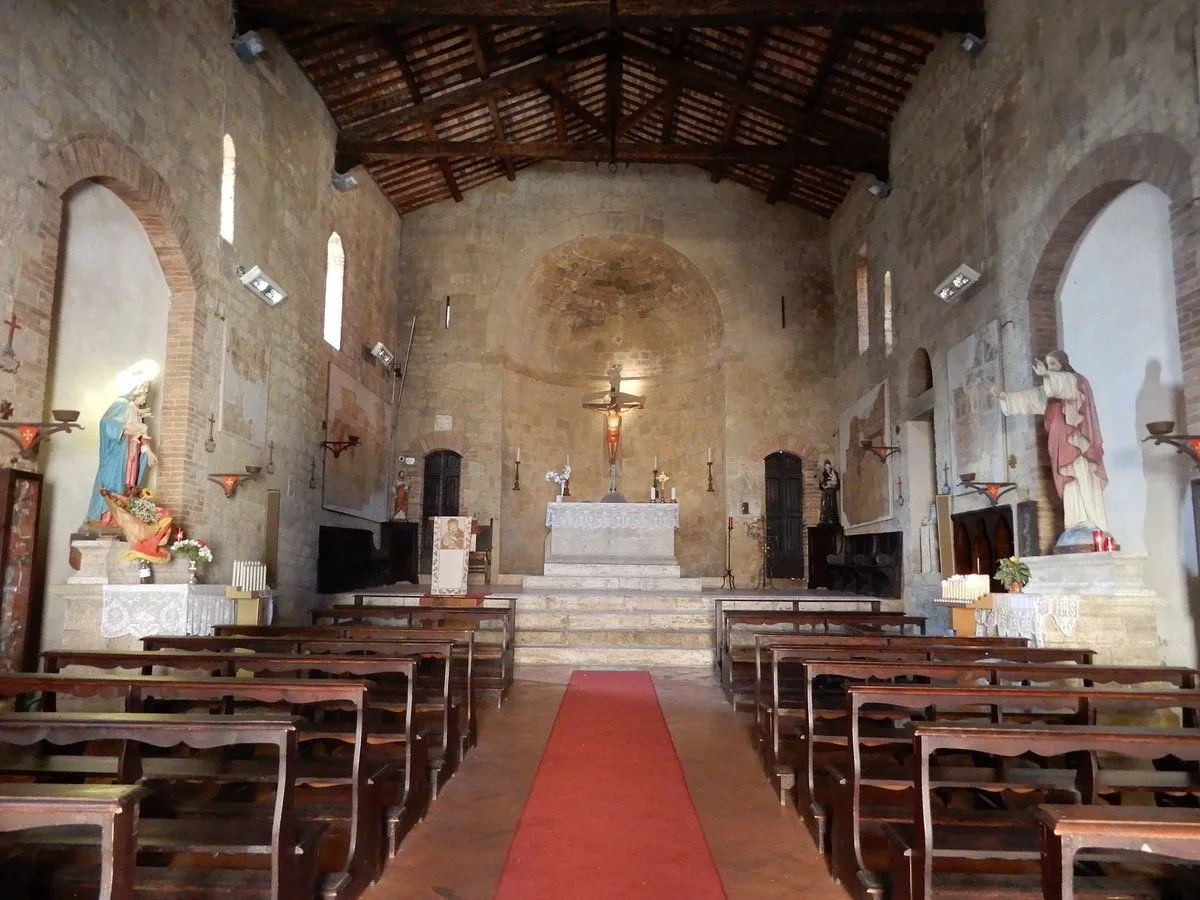
Church of San Pietro alla Magione
Documented since 998, the church stands on a stretch of the Via Francigena that crosses the city. A place of welcome for pilgrims (hence the name “Magione”) since the 12th century, it belonged to the Knights Templar and then passed – after the suppression of the order in 1312 – to the Knights of Malta. The building features a stone facade with a 14th-century portal. On the right, a brick chapel was built between 1523 and 1526 as a votive offering for the plague. Inside, traces of 14th-century frescoes testify to its ancient origins, while at the back stands a bell gable typical of Templar commanderies.
Churches, Sanctuaries and Historic Sites of Siena
A journey into the intimate soul of Siena, combining devotion, art, and centuries-old hospitality: from the ancient corridors of Santa Maria della Scala and the mysticism of Santa Caterina, to the historical memories of the churches of San Giorgio and Carmine.
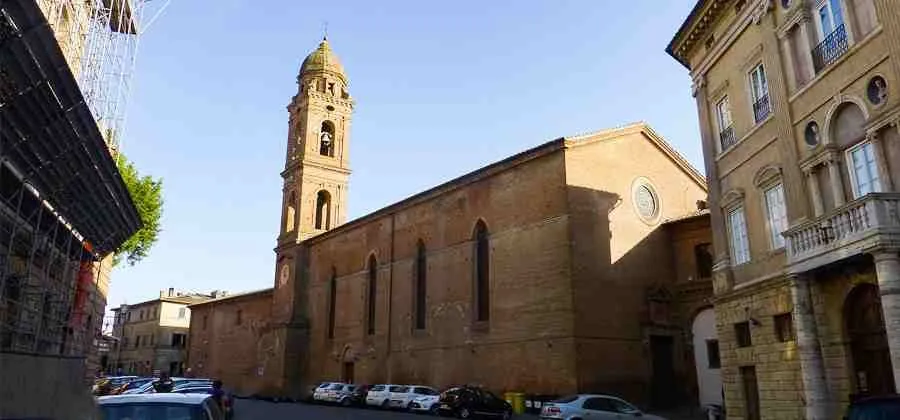
Church of San Niccolò al Carmine
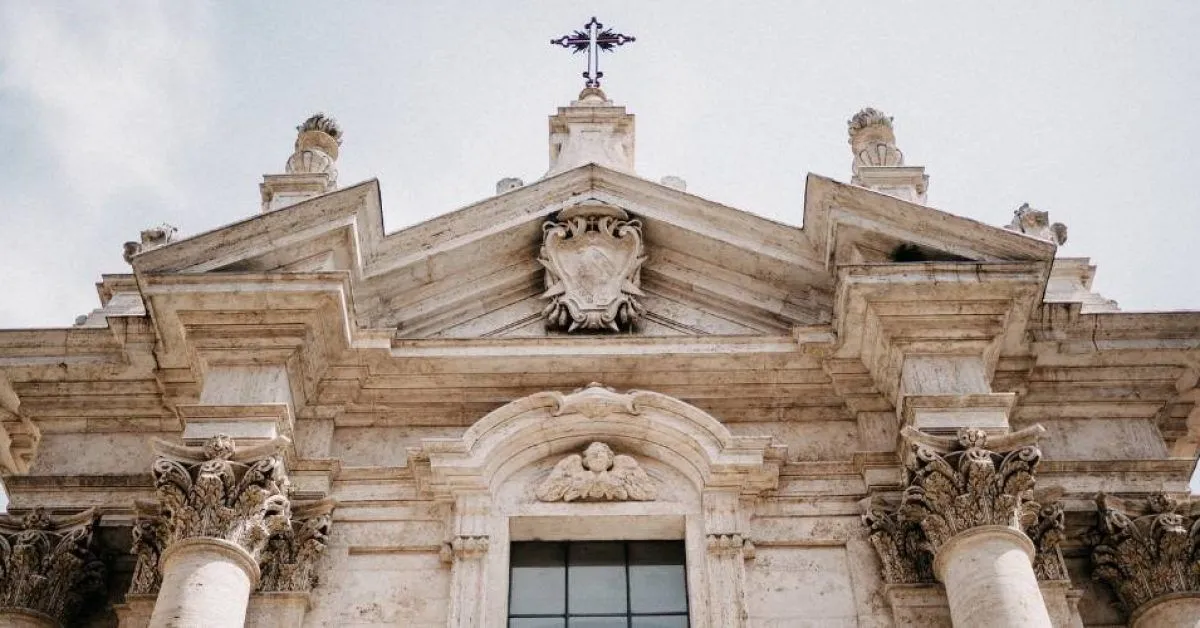
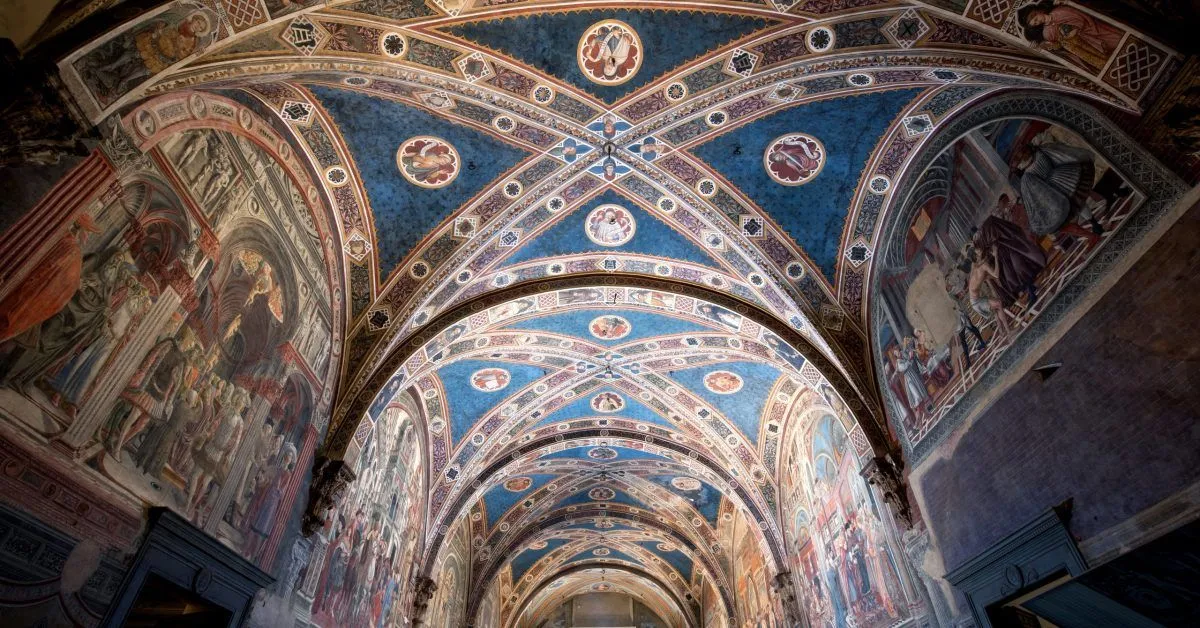
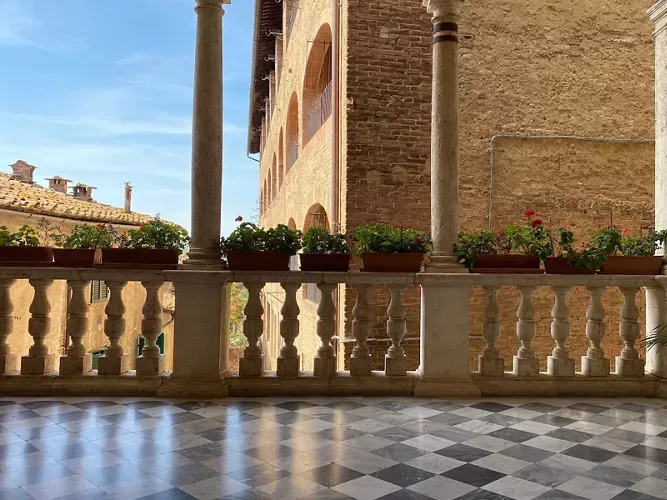
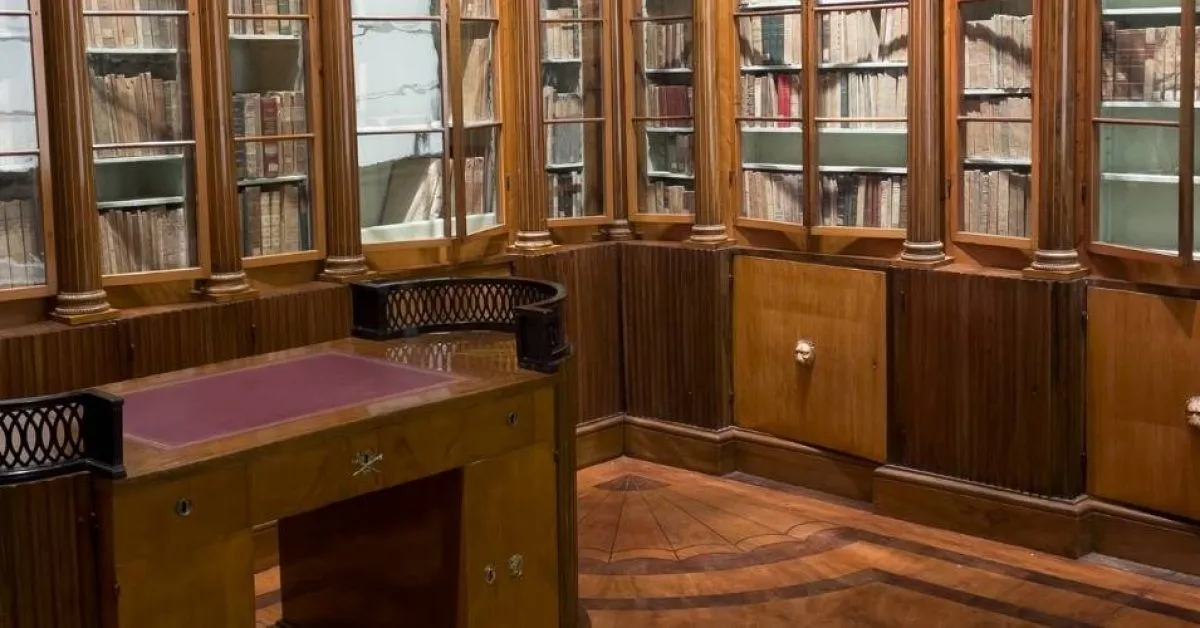
State Archives
Housed in the 15th-century Palazzo Piccolomini, the State Archives of Siena preserves thousands of documents and hosts a unique and precious museum, composed of two sections:
the “Biccherne Museum” (106 wooden panels that served as covers for the accounting registers of various public offices in the city and were painted from the 13th to the 17th century by the greatest masters of the time)
the “Documentary Exhibition”, which also includes the “Dante Room” with documents such as the will of Giovanni Boccaccio, records, and “diplomas” on episodes or characters mentioned in Dante’s Divine Comedy, and writings of Saint Catherine and Saint Bernardino.
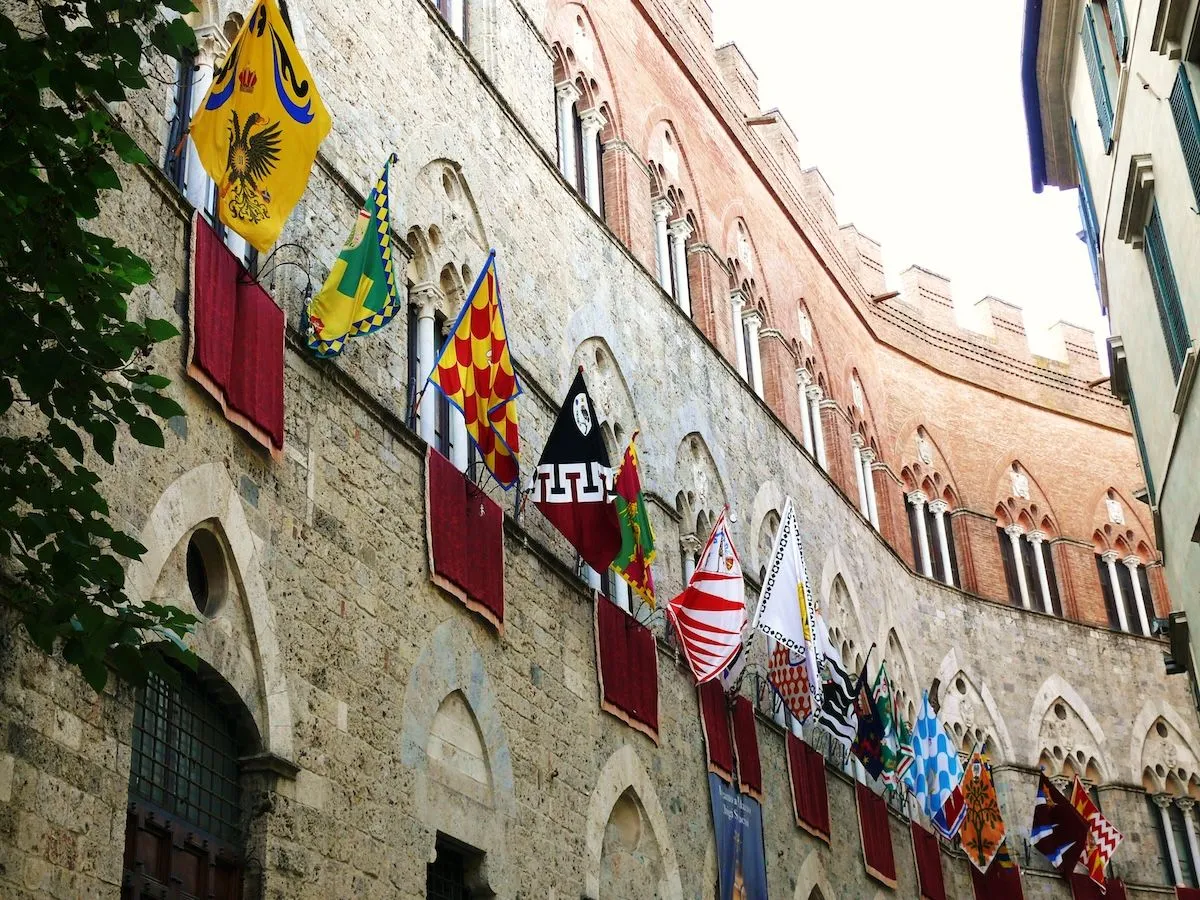
Chigi Saracini palace
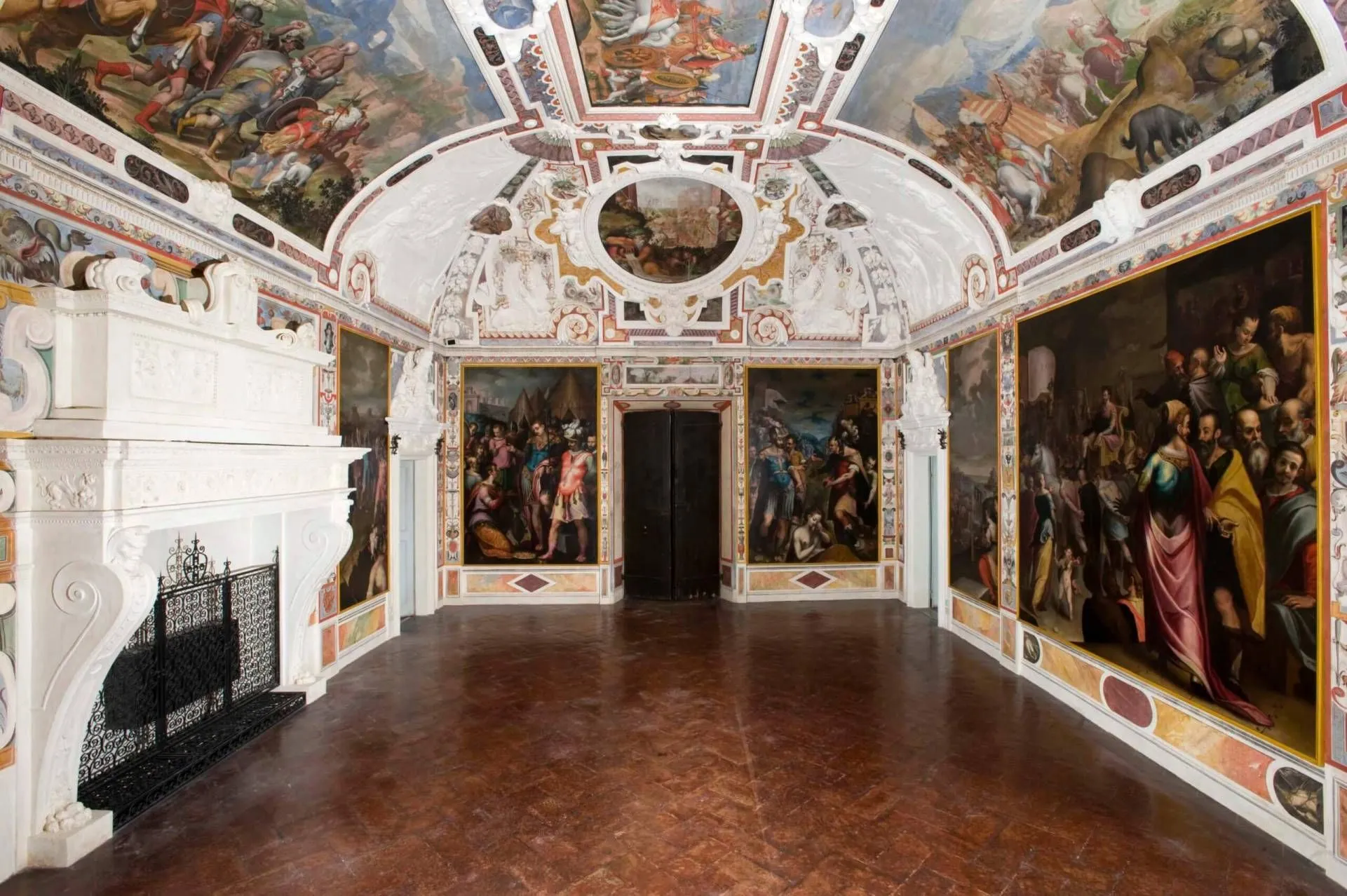
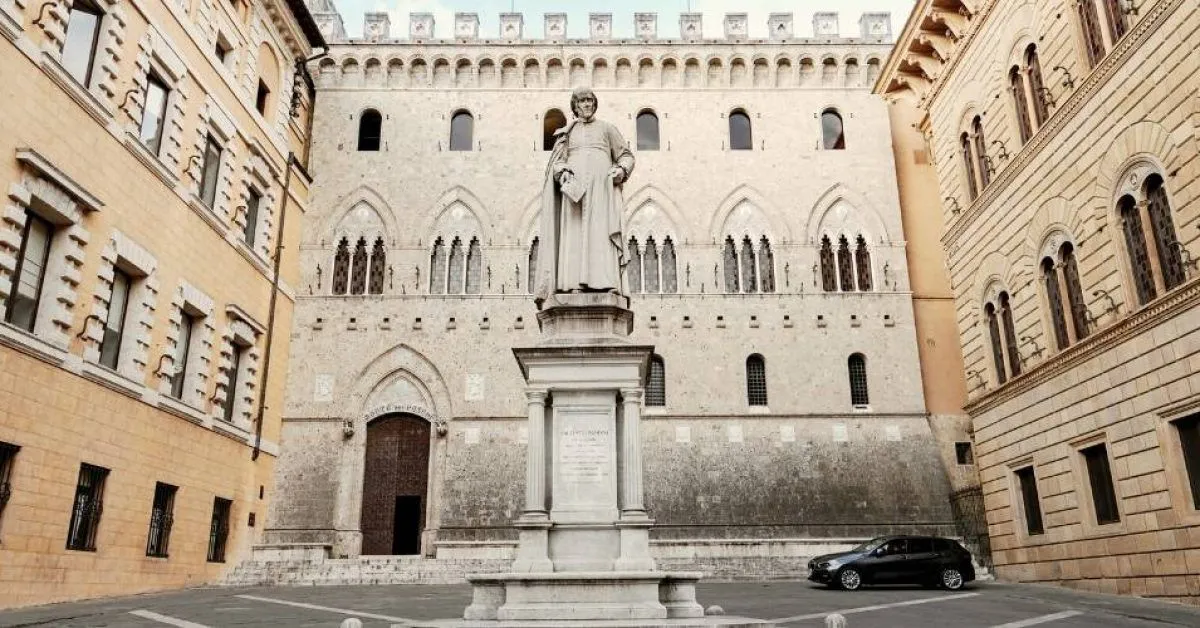
A noble palace dating back to the mid-13th century and subject to several architectural renovations, it houses the large collection of artistic masterpieces assembled by Galgano Saracini, who, in the late 18th century, transformed the building into a sort of private museum. Today, it is home to the Accademia Musicale Chigiana, an international musical institution founded in 1932 by its last owner, Count Guido Chigi Saracini.
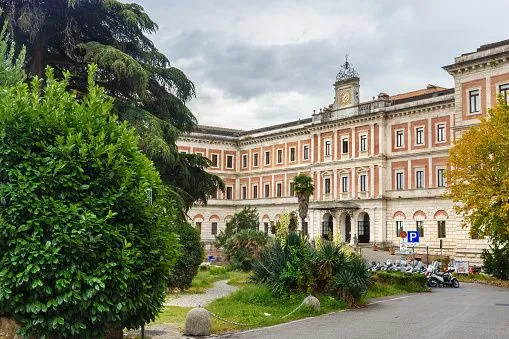
San Niccolò palace
Originally the site of the monastery of San Niccolò, the building was transformed into a psychiatric hospital in 1818. Surrounded by greenery, the San Niccolò Mental Hospital was created here in the first half of the twentieth century, a state-of-the-art facility capable of hosting over 2,000 patients a year.
Today, it houses several faculties of the University of Siena.